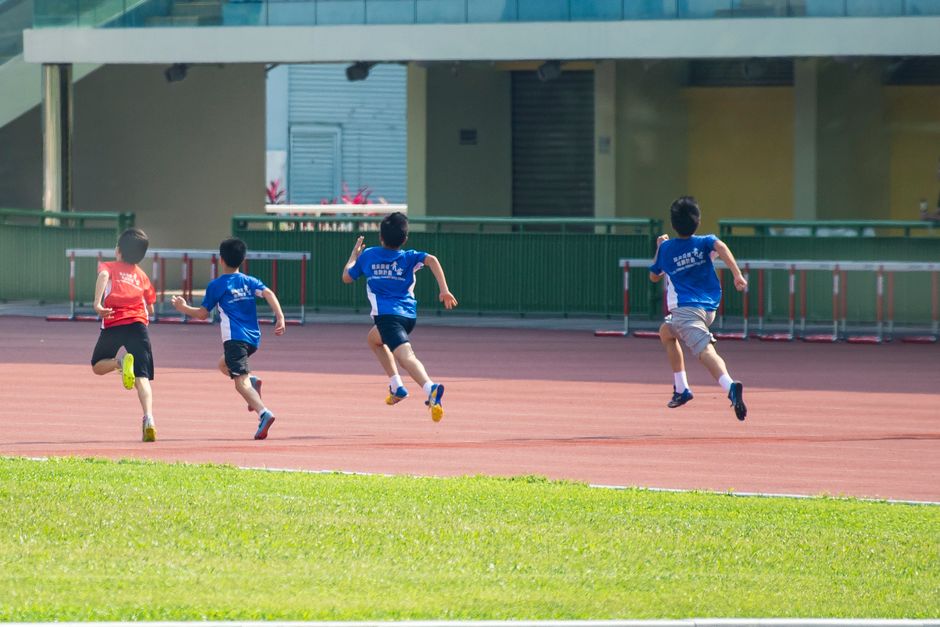
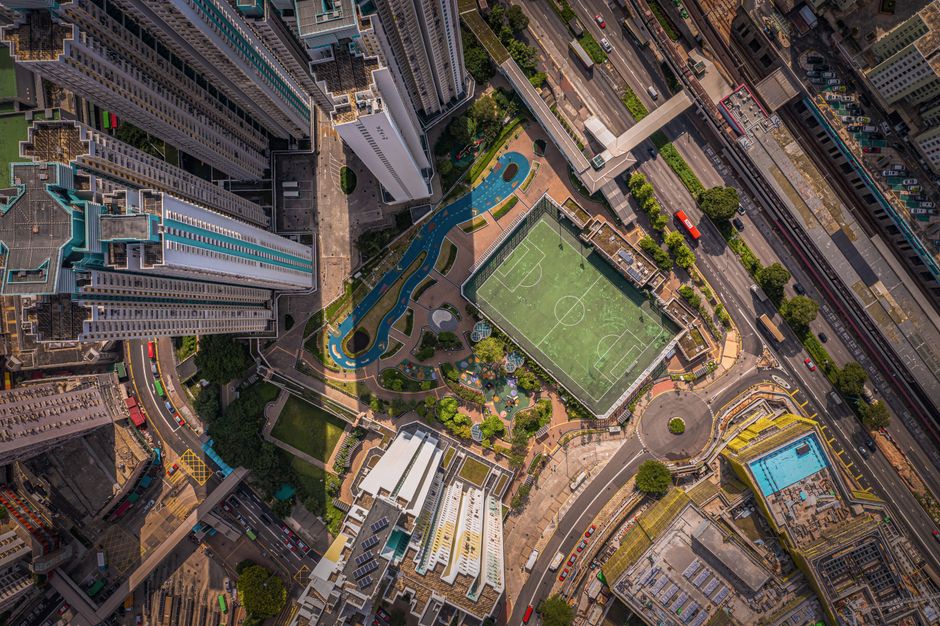
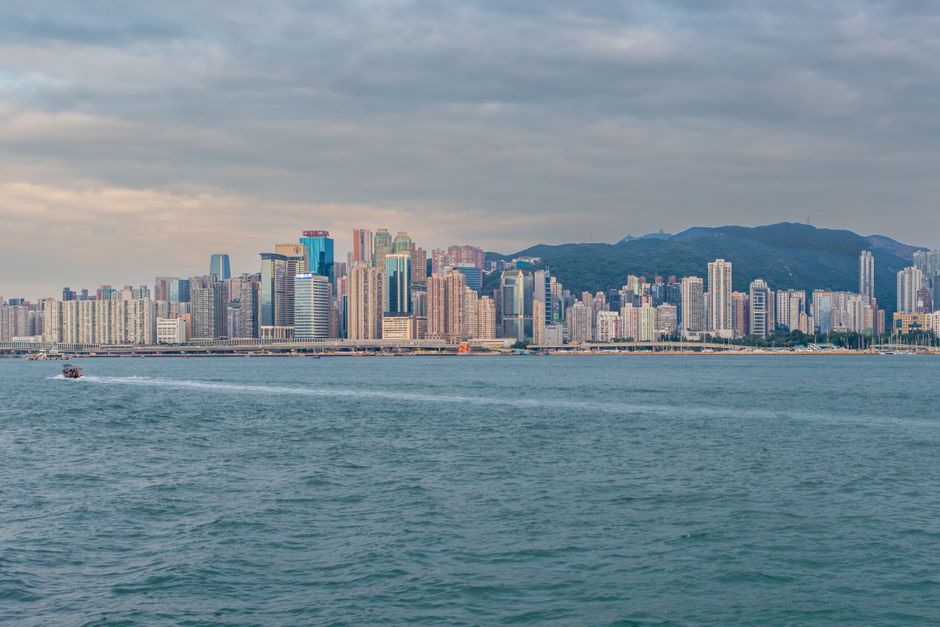
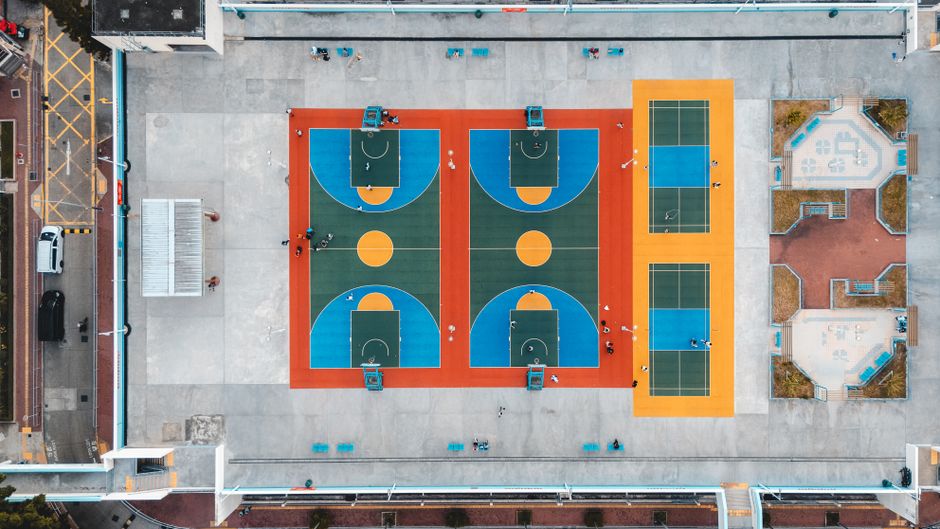
Walk past the basketball courts in Victoria Park on any weekday evening, and you'll witness the quiet revolution reshaping Hong Kong's youth sports landscape. Dozens of young players, many wearing matching club jerseys in faded primary colours, move with purpose across the asphalt. This scene, repeated in pockets across the city—from Causeway Bay to Sham Shui Po, Tseung Kwan O to Tai Po—reflects a growing momentum in grassroots sports development that extends far beyond elite competition.
The landscape has shifted notably over the past five years. Grassroots clubs operating from community centres, converted warehouses, and public facilities have expanded their reach, serving an estimated 45,000 young participants across football, basketball, badminton, and swimming programmes. The annual membership fees typically range from HK$1,200 to HK$3,500, making participation accessible to working-class families across the territory.
In Sham Shui Po, the Lai Chi Kok Park Football Club has transformed a corner of the neighbourhood into a training hub for children aged 6 to 18. Operating since 2019, the club now runs four training sessions weekly and has partnered with three local primary schools. Similar models exist across the MTR network's reach—the Island Eastern District Youth Sports Association operates from North Point, while Kwun Tong hosts the Lam Tin Basketball Academy in a repurposed industrial building.
What distinguishes these organisations is their community-first philosophy. Beyond coaching, clubs organise neighbourhood tournaments, parent volunteer schemes, and mentorship programmes pairing junior athletes with local university students studying sports science. The Fanling Badminton Club, for instance, operates a scholarship scheme supporting twelve young players from lower-income families annually.
Facility access remains the primary challenge. Public leisure centres managed by the Leisure and Cultural Services Department provide subsidised court time, but demand frequently outpaces availability. Many clubs operate on tight margins—the typical monthly operating budget for a mid-sized club runs HK$18,000 to HK$25,000, covered through membership fees, small sponsorships from local businesses, and occasional grants from district councils.
Yet momentum is undeniable. The Hong Kong Youth Sports Foundation reports a 28 per cent increase in grassroots club registrations since 2022. More significantly, community participation has deepened—parent involvement in volunteer roles has doubled, and inter-club competitions now draw spectators beyond immediate family members.
These clubs represent more than organised sports. They anchor children to their neighbourhoods, provide safe spaces during after-school hours, and build the kind of social cohesion that modern Hong Kong sometimes struggles to maintain. In courts and fields across the city, that work continues quietly, systematically, and with visible impact.
This article was compiled by AI from the sources linked above and screened before publishing. See our editorial standards.