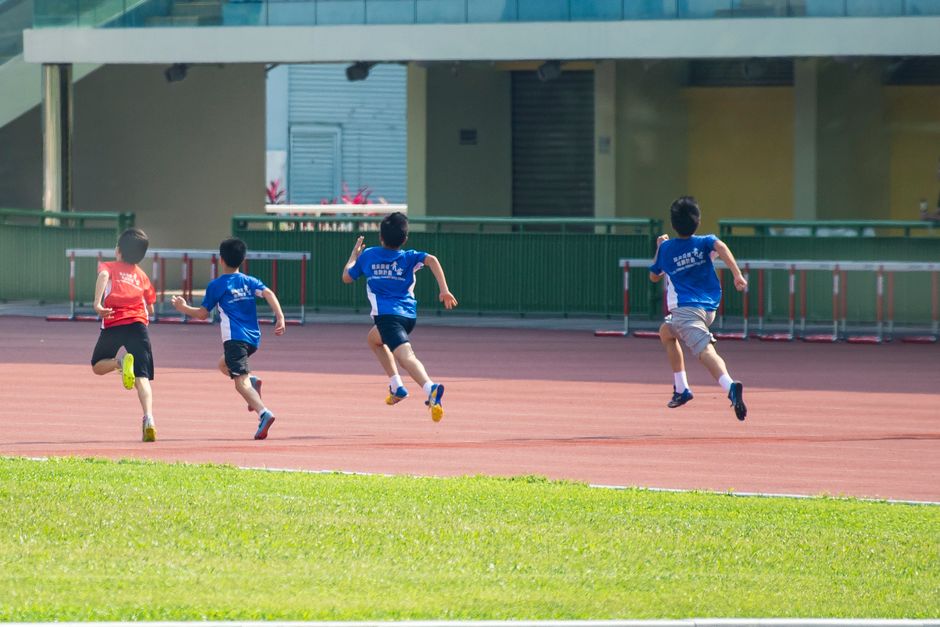
Walk along the Victoria Park running track on any Saturday morning and you'll see hundreds of athletes in matching club kits, hydration packs slung across their chests. But the real story of Hong Kong's endurance sports revolution isn't anecdotal—it's in the numbers.
Registration data from the Hong Kong Amateur Athletic Association and local triathlon clubs reveals a striking picture: running participation has grown 34% over the past three years, with more than 180,000 active runners registered across formal clubs and informal groups. The Standard Chartered Marathon, held annually in February, consistently draws over 70,000 participants across all distances. The cycling community tells a similar story. The Hong Kong Cycling Association reports membership up 28% since 2023, while e-bike sales have tripled—a testament to how the sport is democratising beyond serious racers on pricey carbon machines.
Triathlon, traditionally seen as the preserve of the wealthy and obsessive, has shed its elitist image. The Hong Kong Triathlon Association now registers more than 8,000 active competitors, with entry-level sprint distances attracting first-timers alongside seasoned iron-distance veterans. Weekend mornings see packed swim sessions at Victoria Park's public pool and the new aquatic facility in Tseung Kwan O, where 90-minute slots routinely fill to capacity.
What's driving this surge? Several factors emerge from the data. First, accessibility: a decent road bike or running shoe costs far less than gym memberships or team sports fees. Second, mental health. Post-pandemic fitness culture has shifted decisively toward solitary or loosely structured activities where people control their own pace and environment. Third, community. Hong Kong's dense urban geography has spawned hyperlocal running clubs—from Wan Chai to Sheung Wan to Discovery Bay—where participation isn't about competitive times but camaraderie and routine.
Pricing data shows this remains an affordability question: the average Hong Kong runner spends HK$3,500–5,000 annually on shoes, kit and race entries. For cyclists, outlay climbs to HK$8,000–15,000 for entry-level commuters, though a secondhand market flourishes across Facebook groups and dedicated shops in Mong Kok. Triathletes, unsurprisingly, spend most: roughly HK$25,000–40,000 to get properly equipped.
The participation boom also reflects how endurance sports fit Hong Kong's competitive, goal-oriented culture. They're measurable, democratic and deeply individual—qualities that resonate in a city where work-life balance remains elusive. Whether jogging the Promenade in Central, cycling the New Territories loop, or training for an Ironman, locals have found something endurance sports provide in abundance: tangible progress, community and an escape valve from the relentless pace of urban life.
This article was compiled by AI from the sources linked above and screened before publishing. See our editorial standards.