Hong Kong's position as a coastal metropolis makes it an ideal destination for water sports enthusiasts, yet many residents remain unaware of the accessible pathways to get involved. Whether you're interested in recreational swimming, competitive diving, or adventure activities like paddleboarding, the territory offers numerous entry points for beginners.
The most straightforward starting point is joining a swimming club or taking formal lessons. The Hong Kong Amateur Swimming Association operates programmes across multiple public pools, including the facilities at Victoria Park in Causeway Bay and Kowloon Park in Tsim Sha Tsui. Basic swimming lessons typically cost between HK$300–500 per session through government-subsidised community centres, while private coaching at facilities like the Hong Kong Underwater Centre near Chai Wan ranges from HK$600–1,200 per hour. For those seeking structured progression, competitive swimming clubs affiliated with the Association accept members of all levels and charge monthly fees averaging HK$400–800.
Diving has gained momentum in recent years, with several dedicated facilities now operating in the territory. The aforementioned Hong Kong Underwater Centre and similar operators offer PADI certification courses—essential for scuba diving—starting at around HK$3,000 for entry-level qualifications. Weekend recreational dives in protected areas like Hoi Ha Wan Marine Park cost approximately HK$600–800, including equipment rental.
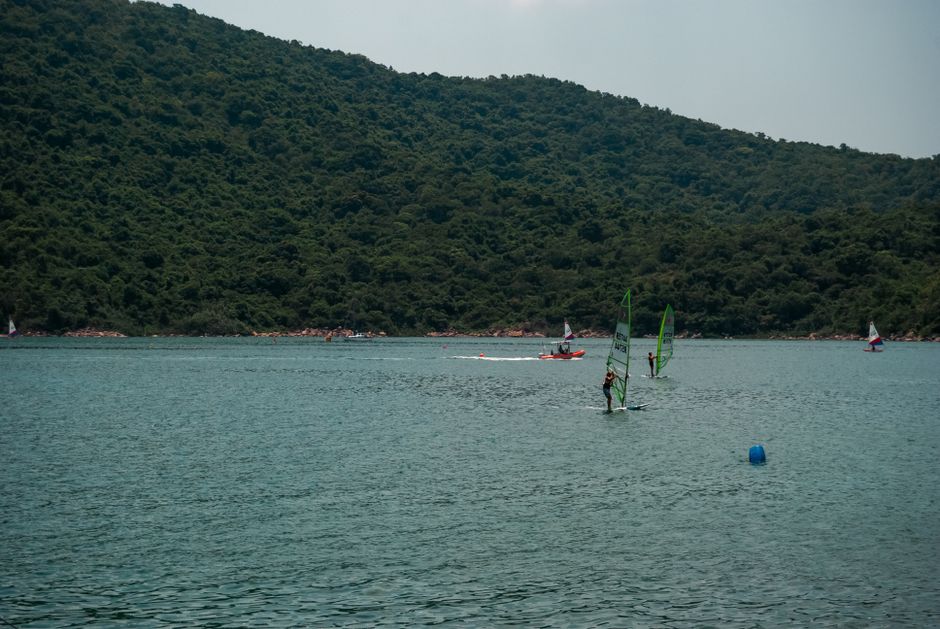
For those preferring surface-level activities, stand-up paddleboarding (SUP) and kayaking have exploded in popularity. Multiple rental operators along the waterfront in Aberdeen, Sai Kung, and Stanley offer equipment for HK$150–300 per hour. Several clubs, including the Hong Kong Canoe & Dragon Boat Association, organise beginner-friendly group outings monthly, with membership fees starting at HK$300 annually.
Safety considerations remain paramount. All water sports participants should verify their chosen venue or instructor holds appropriate certifications and insurance. The Hong Kong Sports and Recreation Board provides updated safety guidelines and approved venue lists on its website. Additionally, swimmers should be aware of seasonal conditions—summer brings higher water temperatures but also increased usage, while winter months offer clearer visibility for diving.
The financial commitment varies considerably. Casual swimmers utilising public pools face minimal costs, while those pursuing competitive diving or scuba certification should budget HK$5,000–10,000 annually including training and equipment. Regardless of ambition level, Hong Kong's established aquatic infrastructure and growing community of water sports enthusiasts make 2026 an excellent time to take the plunge.
This article was compiled by AI from the sources linked above and screened before publishing. See our editorial standards.