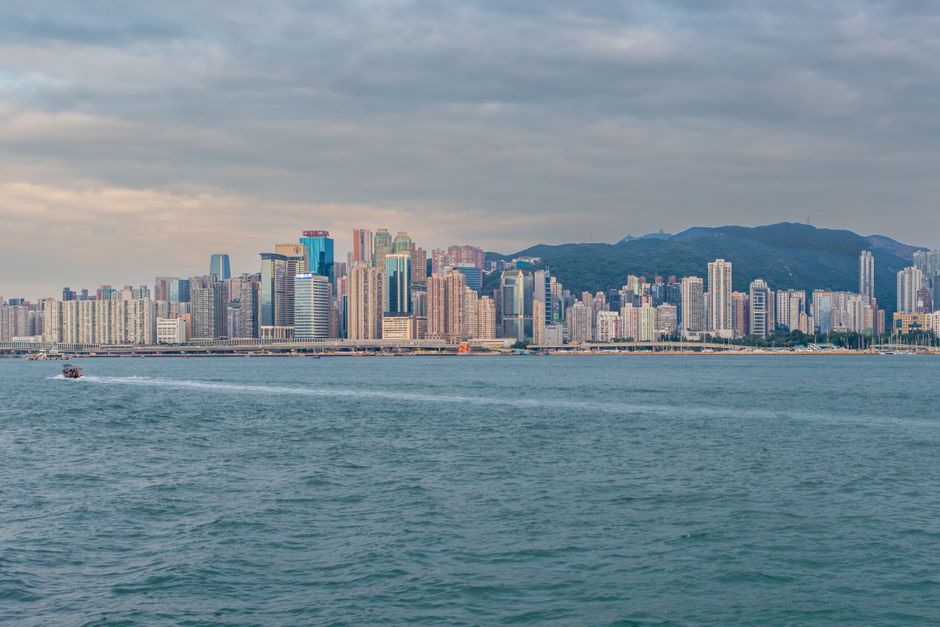
The morning light catches the Victoria Harbour waterfront as dozens of cyclists weave through the Central Promenade, their carbon frames glinting. It's a Tuesday. Three decades ago, this sight would have been unremarkable; today, it's become emblematic of a quiet revolution transforming Hong Kong's approach to fitness and endurance sport.
Recent participation data paints a compelling picture. Running club memberships across Hong Kong have grown approximately 35% over the past four years, with the Standard Chartered Marathon attracting over 73,000 participants in 2025—a 12% year-on-year increase. Cycling participation has climbed even more steeply, up 48% since 2022, according to figures tracked by the Hong Kong Cycling Association. Triathlon entries, once niche, have doubled their race-day numbers in the same period.
First, the democratisation of endurance sport. Where triathlon once meant eye-watering equipment costs and exclusive club memberships, entry-level races now populate the calendar. Events like the Hong Kong Sprint Triathlon series at venues such as Shek O and Clear Water Bay attract increasingly diverse demographics—office workers, teachers, retirees—suggesting fitness has moved beyond elite pursuit toward mainstream wellness aspiration.
Second, the infrastructure pivot. The MTR's expanded cycling-friendly corridors, coupled with newly paved routes connecting the New Territories to urban hubs, have made training accessible. The Jockey Club Kau Sai Chau Public Golf Course's conversion into cycling facilities signals how authorities recognise this trend. Running communities have similarly colonised neighbourhoods: Causeway Bay's Victoria Park remains the epicentre, but trails through Country Parks in Tai Tam and Lantau have seen visitor numbers spike dramatically.
Third, and perhaps most tellingly, the social dimension. Participation growth correlates directly with running club proliferation—over 120 registered clubs now operate across Hong Kong, compared to fewer than 40 in 2015. These aren't just training venues; they're community anchors where colleagues, friends and strangers converge weekly. The phenomenon echoes global wellness trends but carries distinctly local flavour: WhatsApp groups replace exclusive memberships; route-sharing apps enable collaborative training across the SAR's uniquely compressed geography.
Sponsorship data reinforces the picture. Corporate wellness programmes now budget for marathon training subsidies and cycling team kits. Sports nutrition shops have proliferated from Sheung Wan to Quarry Bay.
The data ultimately reveals an affluent, time-conscious population increasingly valuing personal health metrics and community belonging. Hong Kong's endurance sport boom isn't random—it reflects deeper cultural recalibration toward preventive wellness and social connection in an otherwise high-pressure metropolis.
This article was compiled by AI from the sources linked above and screened before publishing. See our editorial standards.