Hong Kong's thriving amateur sports ecosystem is buckling under infrastructure strain. As participation in recreational basketball, badminton, and volleyball leagues surges—particularly among young professionals seeking alternatives to gym culture—the city's network of public and private sports facilities is proving inadequate to meet demand.
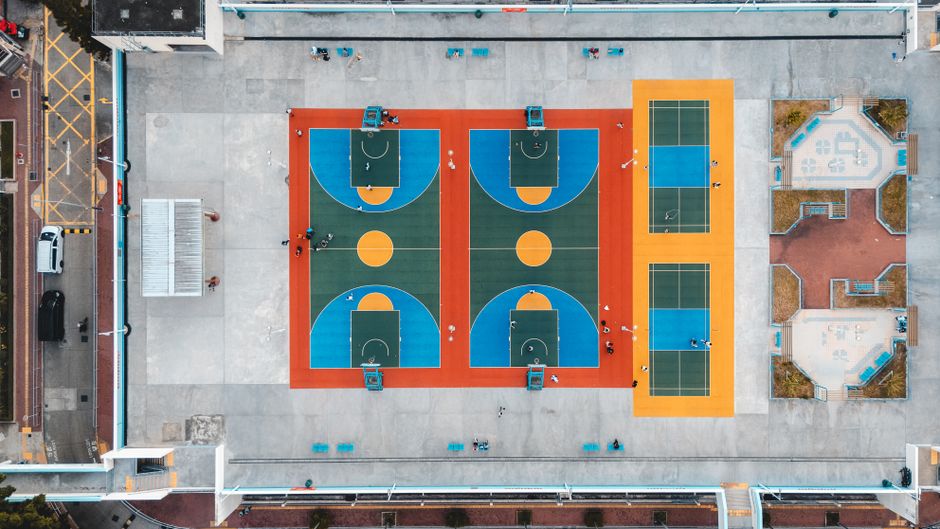
The challenge is most acute in Central and Western District, where the Sheung Wan Civic Centre and Hong Kong Central Library sports facilities remain cornerstones for amateur leagues, yet booking windows extend weeks in advance. The Leisure and Cultural Services Department operates 67 sports centres across the territory, yet waiting lists for evening court slots—prime time for working adults—regularly stretch to months.
Private operators have partially filled the gap. Facilities like Sportzone in Causeway Bay and Courts Hong Kong across multiple locations charge monthly membership fees ranging from HK$800 to HK$2,000 for access to badminton and squash courts. Yet such pricing excludes many participants, particularly university students and early-career professionals who fuel recreational league participation.
The situation has prompted grassroots innovation. Amateur basketball leagues have begun staggering schedules across less-favoured time slots—early mornings and weekday afternoons—while migrating to secondary venues in outlying districts. The Eastern District's Taikoo Shing Sports Centre and facilities in Shatin and Tseung Kwan O now host competitive amateur leagues that might traditionally have remained in Central.
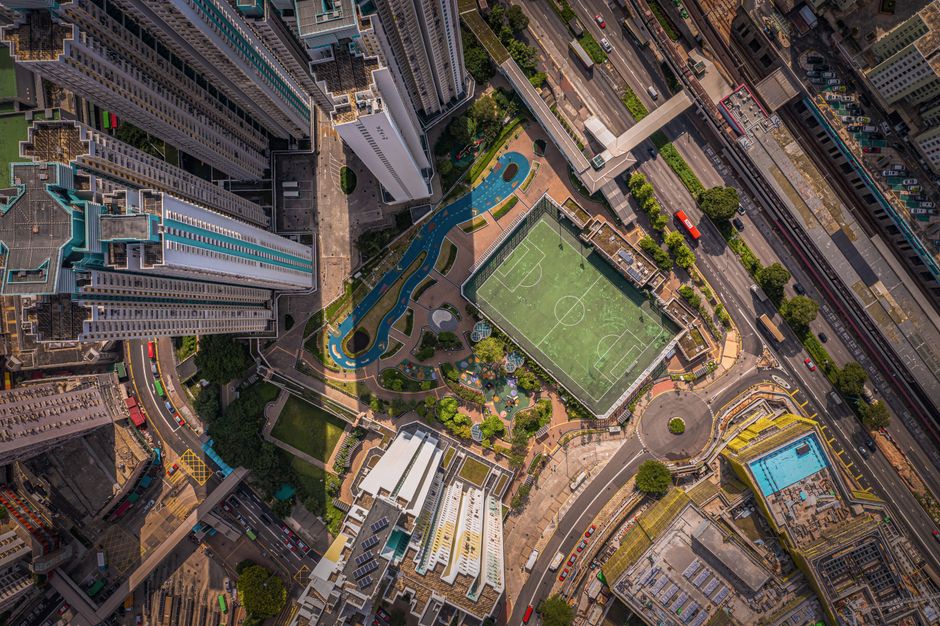
Space constraints are historical. Hong Kong's high population density (7,500 people per square kilometre) means recreational infrastructure competes for limited land. Recent upgrades to Kowloon Park's sports facilities and the reopening of renovated courts at Victoria Park have provided some relief, yet demand consistently outstrips supply.
District Sports Associations attempt to coordinate scheduling and access, yet their reach remains limited. Clubs affiliated with the Hong Kong Sports Association report that securing consistent weekly court time often requires booking through multiple channels—municipal booking systems, private facility apps, and direct club arrangements—a fragmented approach that frustrates league administrators.
The infrastructure shortfall threatens participation momentum. Amateur leagues report that 30 per cent of prospective members cite difficulty accessing regular practice venues as a barrier to joining. As Hong Kong positions itself as a global sports hub ahead of potential future major event bids, the gap between elite facilities and grassroots infrastructure grows increasingly conspicuous.
Sports officials acknowledge the challenge. Plans to enhance community court access in underserved areas like Kwai Tsing and Sham Shui Po remain in early stages, yet advocates argue faster investment in secondary-tier facilities could unlock substantial community participation gains.
This article was compiled by AI from the sources linked above and screened before publishing. See our editorial standards.