This article was generated by AI from the linked public sources. The Daily Hong Kong is independently owned and covers Hong Kong news free from advertiser or sponsor influence. Read our editorial standards →
The queue outside the Hong Kong Sports Institute's booking office on Kowloon Tong tells a familiar story these days. It's 7 a.m., and residents are already lined up for court slots at the Institute's badminton facilities—a scene that has become routine over the past eighteen months. Behind these mundane logistical realities lies something more revealing: Hong Kong's fitness culture is becoming increasingly concentrated, increasingly competitive, and increasingly expensive.
Data from the Leisure and Cultural Services Department shows that participation at major venues across the territory has shifted dramatically. The Hong Kong Coliseum in Hung Hom, which hosts volleyball tournaments and basketball matches, recorded a 34 percent increase in event attendance between 2024 and 2026, driven primarily by professional fixtures rather than grassroots participation. Meanwhile, participation at the Victoria Park Sports Centre—traditionally the people's arena—has plateaued despite modest price increases. Court bookings for badminton, tennis, and squash now operate on a first-come-first-served system at 6 a.m., a competitive scramble unimaginable five years ago.
The real insight emerges when examining private venue uptake. Data from Hong Kong's growing cluster of premium fitness centers in Central, Causeway Bay, and Mong Kok reveals that subscription rates have climbed 28 percent year-on-year. These facilities charge upwards of HK$1,200 monthly—a figure beyond reach for many working-class Hongkongers. Public facilities, by contrast, cost as little as HK$17 per hour, yet waiting lists stretch weeks into the future.
This bifurcation reflects deeper currents in the city's demographic and economic landscape. The rise of premium venues in affluent neighborhoods coincides with rising inequality and the exodus of middle-income families to the New Territories and beyond the border. Those who remain downtown increasingly opt for private clubs offering climate control, personalized coaching, and membership status. The South China Athletic Association's courts in Wong Nai Chung Gap, long a bastion of colonial-era tradition, now compete fiercely with modern facilities like those in Exchange Square, Admiralty.
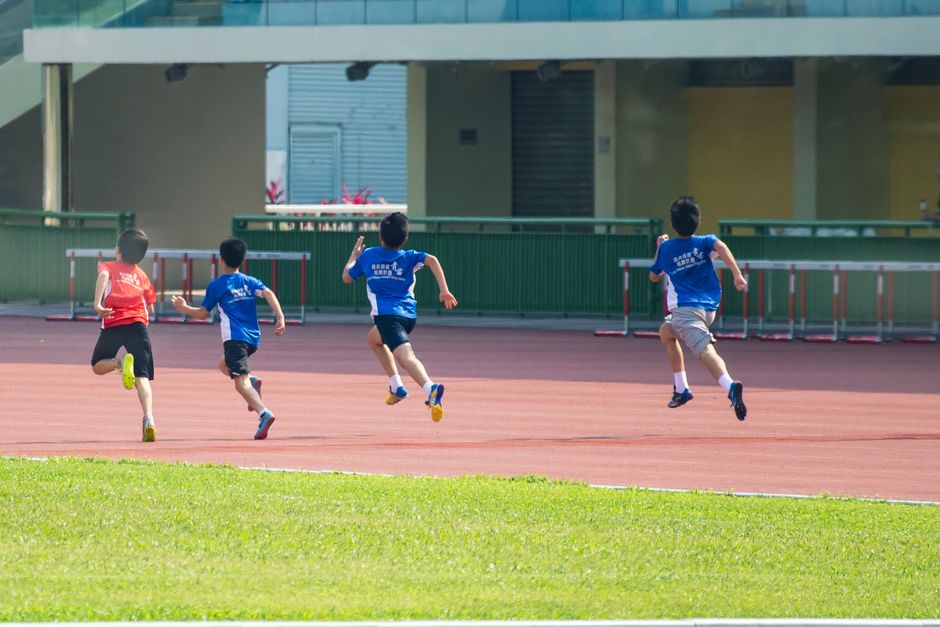
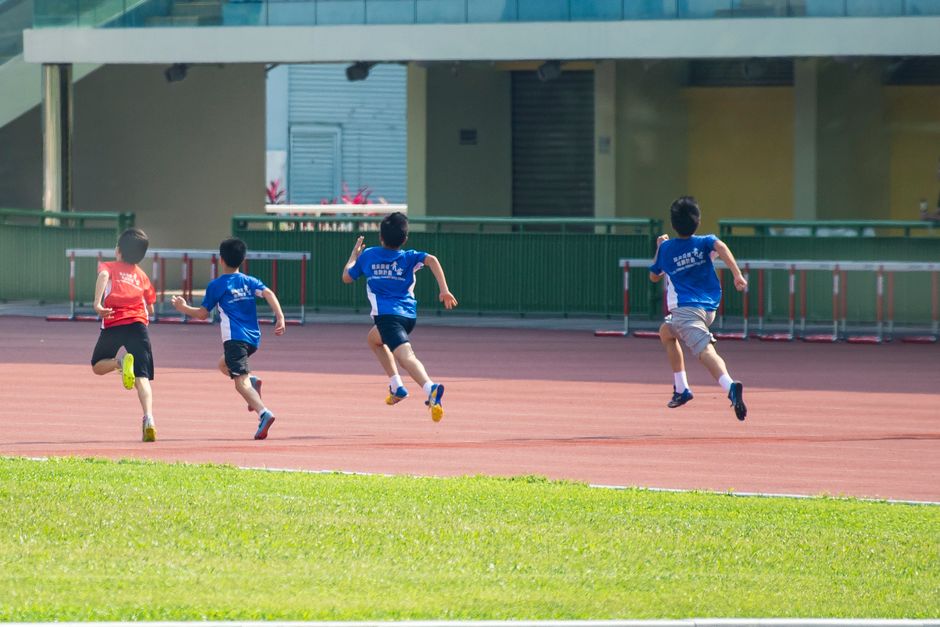
Perhaps most telling is the participation collapse in team sports at grassroots level. Football leagues organized through local district councils report 19 percent fewer registered players this year compared to 2024. Volleyball participation has dropped similarly. Yet individual activities—running clubs, CrossFit franchises, and cycling—show consistent growth, suggesting Hongkongers increasingly prefer solo pursuits in curated environments over the unpredictability of organized team sport.
The stadium doors remain open, but the patterns etched in booking data tell us this: Hong Kong's fitness culture has fragmented into two distinct worlds, separated less by ability than by access.
This article was compiled by AI from the sources linked above and screened before publishing. See our editorial standards.
Covering sport in Hong Kong. This article was generated by AI from the linked sources and was not reviewed by a human editor before publishing. See our editorial standards.