A decade ago, the image of youth sport in Hong Kong was straightforward: packed badminton courts in Mong Kok, queues outside football academies in the New Territories, swimming lessons booked months in advance. Today's participation landscape tells a markedly different story.
Recent data compiled by the Hong Kong Sports Development Board reveals that traditional team sports have seen modest declines, while individual fitness and wellness activities are experiencing unexpected growth. Badminton club memberships across the Eastern District have dropped approximately 12 percent since 2023, yet indoor climbing gyms—virtually non-existent here fifteen years ago—now report waiting lists of several weeks. Monthly membership fees for climbing facilities near Quarry Bay hover around HK$800–1,200, compared to HK$400–600 for traditional badminton clubs.
The shift reflects broader lifestyle changes among Hong Kong's younger demographic. Sports science professionals attribute the trend partly to work-life balance pressures and partly to social media influence. A thriving Instagram culture around fitness activities has made activities like bouldering and functional training more aspirational than traditional organised team play.
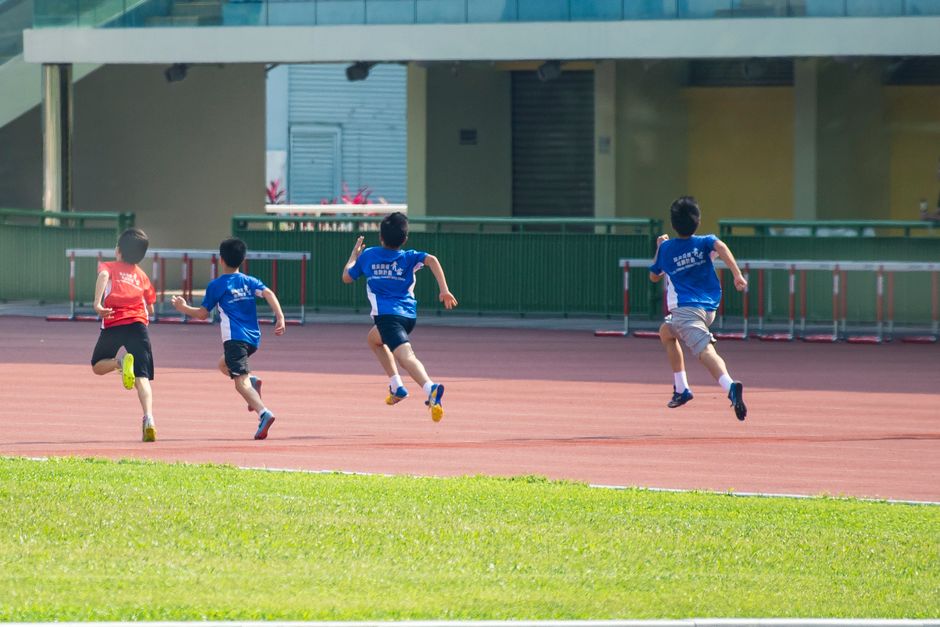
Yet the data offers encouraging nuance. Grassroots football organisations operating in Sham Shui Po and Yuen Long report stable-to-growing participation among under-12 age groups, suggesting younger children remain engaged with traditional sports before lifestyle demands intensify. Tennis academies in the Mid-Levels and Stanley have also held their ground, particularly among families willing to invest premium fees—often exceeding HK$2,000 monthly for structured coaching.
More intriguing is the emergence of hybrid participation patterns. Many young athletes now juggle multiple activities rather than specialising early, a departure from Hong Kong's historically competitive youth development model. Wushu clubs report 34 percent of members also participate in strength-and-conditioning programmes, compared to just 8 percent five years ago.
Swimming presents perhaps the most telling case study. Public pool usage by youth aged 10–18 has remained relatively stable, but private swim schools offering premium facilities and personalised instruction have proliferated across Causeway Bay and Tsim Sha Tsui. This bifurcation—between subsidised public sport and premium private wellness—mirrors wealth inequality trends within the broader Hong Kong population.
As the territory heads into 2027, these participation patterns warrant serious attention from policymakers and club administrators. The data suggests Hong Kong's youth sport culture is polarising rather than declining—with motivated, well-resourced participants accessing premium facilities while grassroots accessibility faces quiet pressure. Whether local clubs can adapt their offerings to match evolving preferences while maintaining inclusive foundations remains the defining challenge ahead.
This article was compiled by AI from the sources linked above and screened before publishing. See our editorial standards.