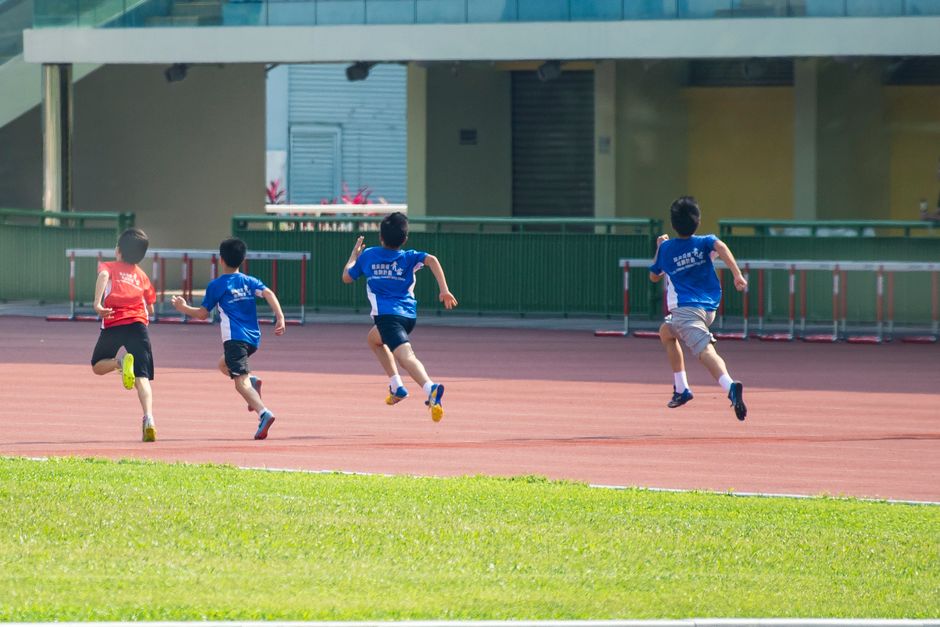
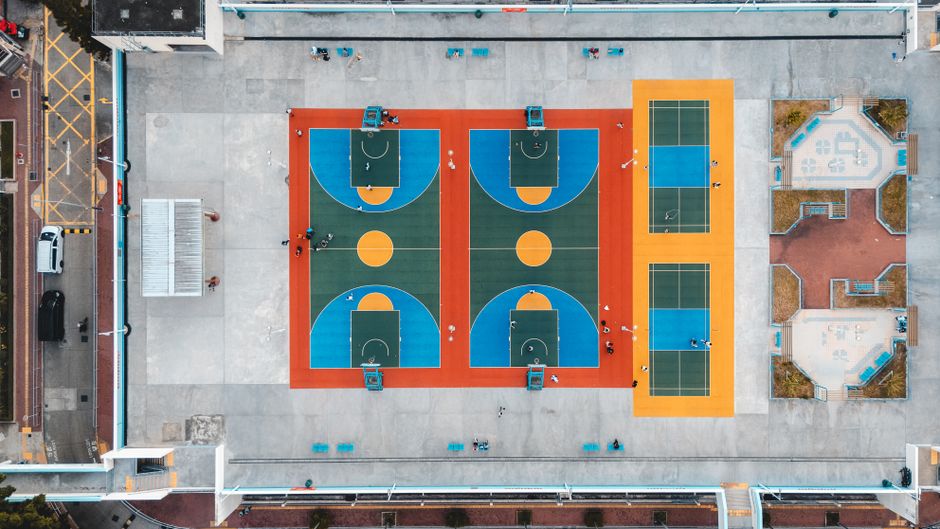
On a humid Tuesday evening in Sham Shui Po, a cluster of primary school children gather around a badminton court tucked beneath a public housing block on Cheung Sha Wan Road. They're part of the Cheung Sha Wan Youth Badminton Club, one of hundreds of grassroots organisations quietly reshaping how young Hongkongers discover sport.
The scene exemplifies a subtle but significant shift in the city's youth sports landscape. Rather than relying solely on expensive private facilities or government-run centres, neighbourhood clubs have become the backbone of development, creating pathways for children who might otherwise never touch a racket, football, or oar.
According to data from the Hong Kong Sports Development Board, grassroots club participation among under-18s has grown 34 per cent over the past five years, with participation fees averaging just HK$150–$300 monthly—a fraction of what private academies charge. In districts like Wong Tai Sin and Kwun Tong, community centres in public housing estates have become hubs where young athletes train under volunteer coaches, many of them former competitors.
The Kowloon Bay Rowing Club exemplifies this model. Operating from a modest boathouse near the Kowloon Bay waterfront, the club has nurtured junior rowers since 1983, charging nominal fees while securing grants from the Hong Kong Jockey Club Charities Trust. Last year, three of their youth programme graduates competed in regional championships.
What distinguishes these clubs is their integration into neighbourhood life. The Stanley Beach Volleyball Association organises weekend tournaments that draw families, not just athletes. The Tseung Kwan O Tennis Youth Initiative partners with the local district council to maintain court access. These aren't siloed operations—they're community anchors.
Challenges remain. Volunteer burnout is real; many clubs rely on a handful of unpaid coaches juggling day jobs. Facility access remains inconsistent, with public courts often booked months ahead. Yet clubs are adapting, using social media for recruitment, securing sponsorship from local businesses, and collaborating with schools to identify talent early.
District Sports Officer programmes have also bolstered support, providing training and administrative resources to club leaders across neighbourhoods from Central to Tuen Mun.
For Hong Kong's youth, these clubs represent something precious: affordable access to quality coaching, peer mentorship, and the chance to belong to something larger than themselves. As elite sports programmes screen for exceptional talent, it's these neighbourhood courts and fields where most young Hongkongers first discover whether sport matters to them—and often, they find it does.
This article was compiled by AI from the sources linked above and screened before publishing. See our editorial standards.