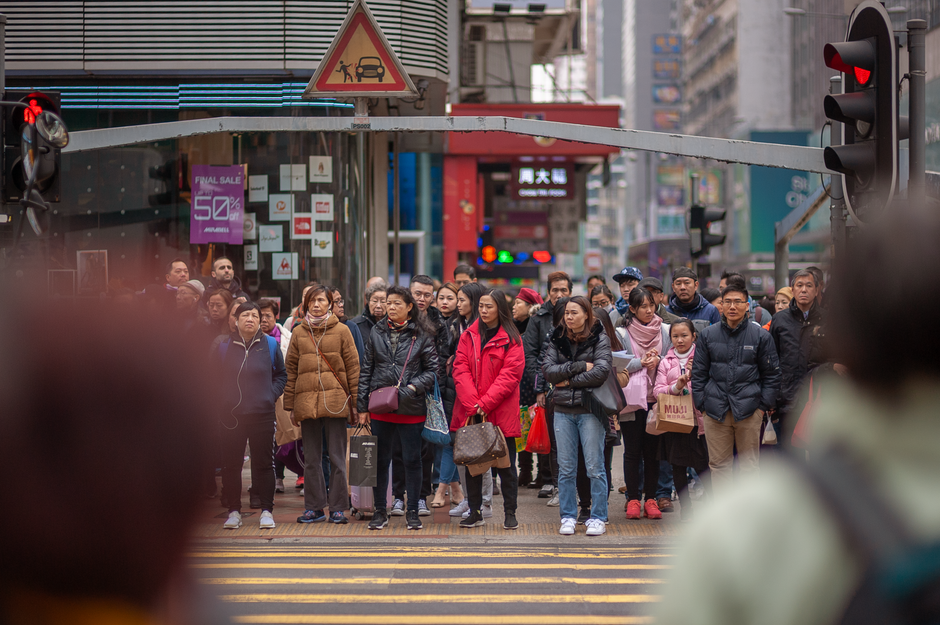
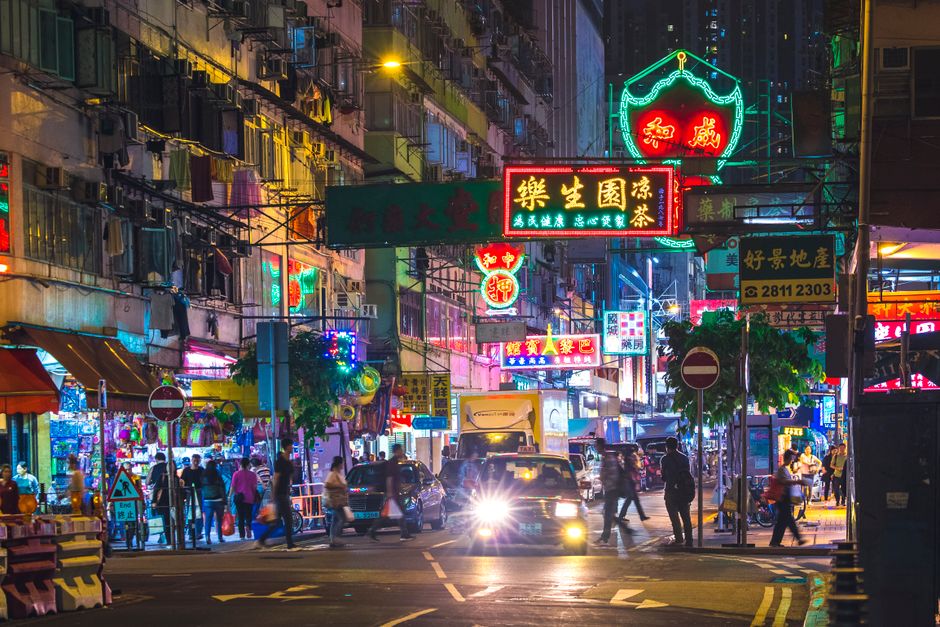
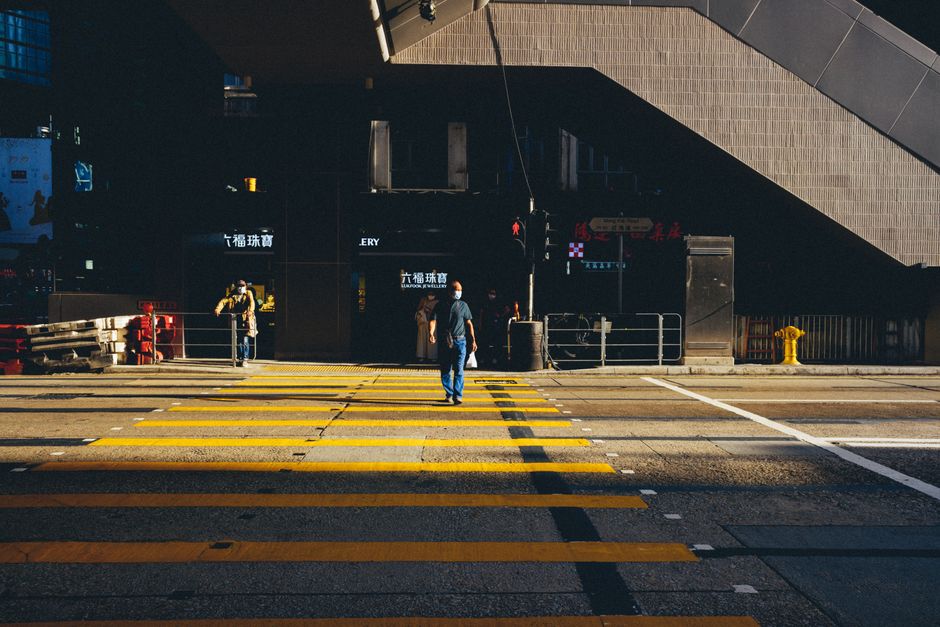
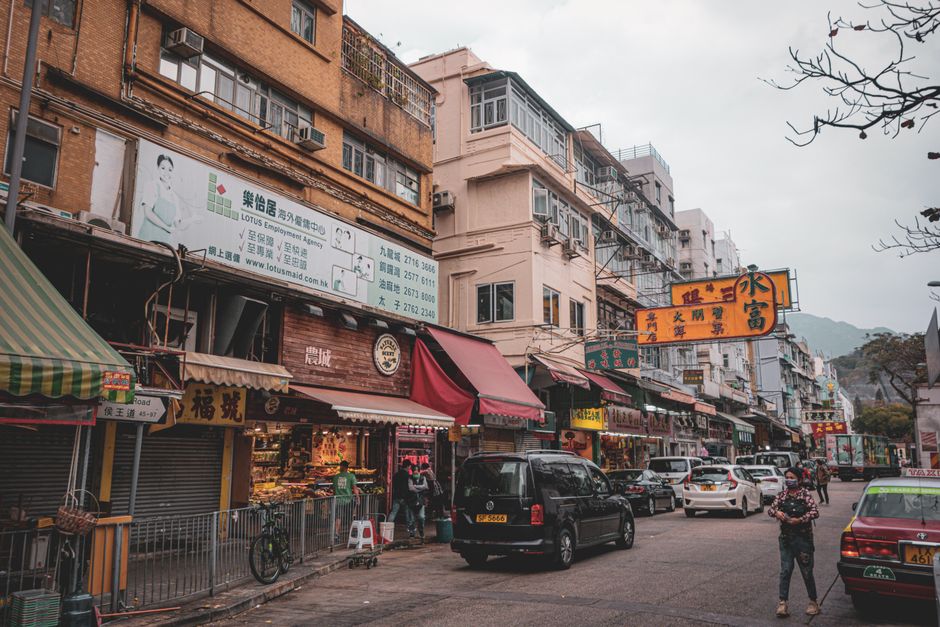
Sham Shui Po stands at a pivotal moment. With population density exceeding 48,000 people per square kilometre—nearly double the city average—the district faces a cascade of decisions that will define its next decade. The question is no longer whether change is coming, but how residents, property owners and the government will navigate it.
The most pressing issue centres on ageing housing stock. At least 340 pre-war and 1960s-era buildings in the district lack proper fire safety infrastructure, according to the Buildings Department. Some landlords have been served repair notices; others are exploring collective sale options. The Urban Renewal Authority has identified three priority sites on Fuk Tsun Street and around Cheung Sha Wan Road, but residents remain divided on whether wholesale demolition and reconstruction is the right path.
"We have maybe two years to decide," said one long-time business operator in the Apliu Street electronics market, speaking on condition of anonymity. Property prices in Sham Shui Po have climbed to around HK$42,000 per square foot—still below central districts but rising sharply—making individual compensation negotiations increasingly complex.
The government's latest proposal involves phased urban renewal with mixed-use development: roughly 40 percent housing, 30 percent commercial space, and 30 percent green areas and community facilities. But implementation hinges on critical decisions: Will the district preserve its historic character as a working-class hub, or embrace gentrification to fund infrastructure upgrades? How will small traders—from the noodle shops of Fuk Tsun Street to the fabric merchants of Apliu Street—be accommodated in any new development?
Community organisations including the Sham Shui Po District Council and various kaifong associations have launched consultation initiatives. They're pushing for stronger protections for long-standing businesses and affordable housing commitments, aware that previous redevelopment projects in Mong Kok and Kwun Tong displaced hundreds of vendors.
The government has committed to publishing a revised district development strategy by September, with formal consultation to follow. Crucially, the outcome will depend on decisions made over the next three months: whether the Buildings Department accelerates enforcement action on unsafe structures, how the URA prioritises its acquisition timeline, and whether the community can reach consensus on what "renewal" should mean.
For a district that has absorbed waves of migrants, factories, and informal economies for over a century, this moment represents perhaps the most significant test yet of Hong Kong's ability to balance development with preservation, progress with people.
This article was compiled by AI from the sources linked above and screened before publishing. See our editorial standards.