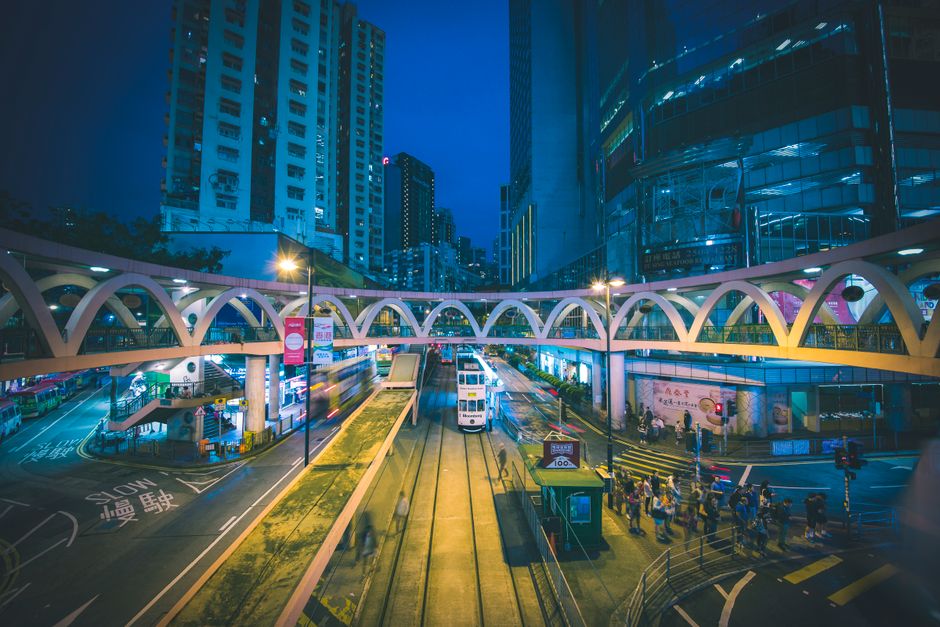
Walking through Central and Sheung Wan these days, you'll notice something quietly shifting beneath Hong Kong's gleaming glass façade. The government's latest sustainability drive isn't just about grand climate commitments—it's reshaping how ordinary residents live, work, and spend money in their neighbourhoods.
The Environmental Bureau's target to achieve carbon neutrality by 2050 is translating into immediate changes. The Building Energy Code, which now mandates efficiency improvements for older structures, directly affects the 40% of Hong Kong's building stock constructed before 2000. For residents in Mid-Levels apartments or shophouses in Sham Shui Po, this means retrofitted air-conditioning systems and improved insulation—potentially cutting cooling costs by 15-20% annually, a significant relief when summer electricity bills routinely exceed HK$2,000.
But the real community impact extends far beyond utility savings. The Recycling Park initiative launching across districts like Kwai Tsing and Tuen Mun is creating local employment. Organisations like the Community Chest partner with neighbourhood groups to train residents in waste management, generating green jobs while reducing landfill dependency. For elderly residents and low-income families in densely packed areas, these initiatives create dignified work opportunities within walking distance.
Urban greening projects in Kowloon City and Wong Tai Sin are particularly transformative. New pocket parks and rooftop gardens aren't luxury amenities—they're practical public health infrastructure. In neighbourhoods where outdoor space is scarce and summer temperatures regularly exceed 32°C, these green zones reduce localized heat by 2-3 degrees and provide essential gathering spaces. Schools like those in North Point are incorporating edible gardens, teaching children about food security while reducing reliance on imported produce.
The Harbour District regeneration scheme is perhaps most telling. Converting underutilized waterfront areas into accessible recreational spaces benefits communities that have historically lacked quality open spaces. When families in Sai Wan Ho gain a weekend destination without travelling to Victoria Park, that's economic benefit—reduced transportation costs, stronger community bonds.
Of course, challenges remain. Green retrofitting costs burden small property owners, and waste sorting systems confuse many residents unfamiliar with detailed categorization. Yet the pattern is undeniable: sustainability isn't abstract environmental philosophy anymore. It's appearing in lease agreements, property values, energy bills, and neighbourhood identity.
For Hong Kong residents navigating an expensive, densely packed city, these initiatives represent practical solutions disguised as climate action. That's why they're gaining traction.
This article was compiled by AI and screened before publishing. See our editorial standards.