News
Hong Kong Education System Changes: A Decade of Reform
Explore how Hong Kong's education system transformed over 10 years. From curriculum overhauls to university funding shifts, discover what changed and why.
3 min read
News
Explore how Hong Kong's education system transformed over 10 years. From curriculum overhauls to university funding shifts, discover what changed and why.
3 min read
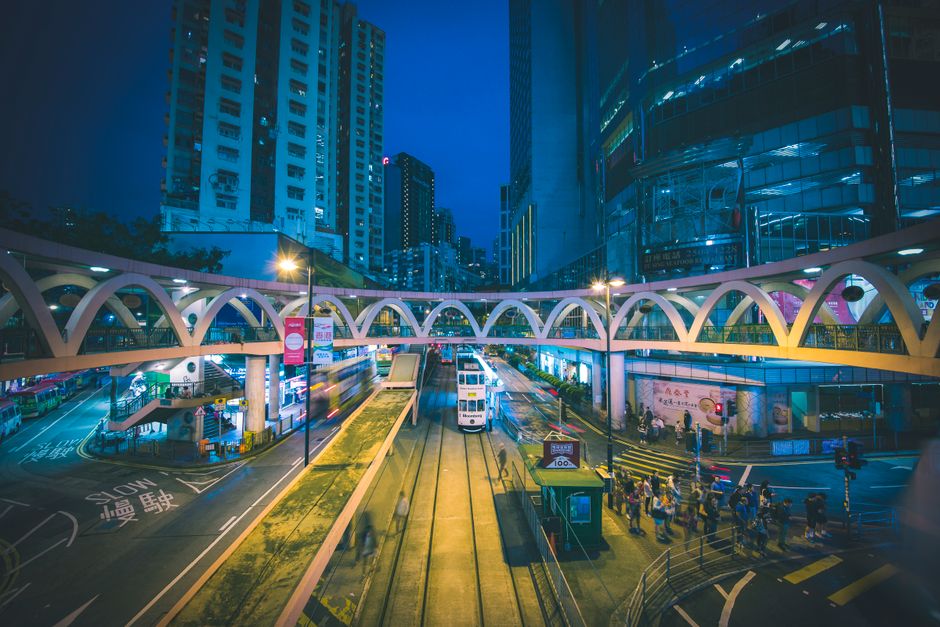
Hong Kong's education sector stands at an inflection point, shaped by a succession of policy shifts that have fundamentally reshaped how the city's 900,000 students learn and what they are taught. Understanding the present requires tracing backward through a decade of incremental but consequential changes that have redefined the relationship between schools, universities, and state authority.
The foundation for today's educational restructuring was laid in 2016, when the Education Bureau began emphasizing "moral and civic education" alongside traditional curricula. What seemed modest then accelerated dramatically after 2019, when the city's protest movement exposed deep generational divides over values and identity. Schools across Hong Kong—from prestigious institutions in Central and the Mid-Levels to neighbourhood primary schools in Mong Kok and Causeway Bay—found themselves navigating increasingly prescriptive guidance on acceptable classroom discussion.
The turning point came with the National Security Law implementation in 2020. Universities including HKU, CUHK, and PolyU, long bastions of intellectual inquiry, faced new constraints on research autonomy and student organization. The University Grants Committee's subsequent funding model adjustments—shifting resources toward STEM and vocational pathways—reflected broader strategic priorities. By 2023, HKU's funding had tightened by roughly 4 percent in real terms compared to 2019, forcing difficult choices about humanities departments and international partnerships.
Simultaneously, teacher recruitment became increasingly challenging. International schools in areas like Mid-Levels and Repulse Bay reported difficulty retaining Western educators, while local teachers navigated the psychological weight of expanded administrative oversight. The Teaching Council's revised accreditation standards incorporated new requirements around "patriotic education," creating friction with some educators trained in Hong Kong's historically liberal pedagogical tradition.
The university landscape shifted further when admissions began incorporating national security assessments for international students—a mechanism that, while presented as routine screening, signalled deeper institutional restructuring. Meanwhile, partnerships with mainland Chinese universities expanded significantly, reshaping research collaboration and funding landscapes in faculties across the city's three major universities and five subsidized institutions.
By mid-2026, the education system reflects these accumulated pressures. Student choice has narrowed in subtle but measurable ways. Teaching as a profession has become less attractive internationally. The traditional Hong Kong model—which prided itself on meritocracy, cosmopolitan outlook, and academic independence—coexists uneasily with newer frameworks prioritizing alignment and security considerations. Schools from Sheung Wan to Shatin grapple daily with this tension between inherited institutional culture and evolving external demands, making Hong Kong's education story emblematic of the city's broader identity navigation.
This article was compiled by AI and screened before publishing. See our editorial standards.
About this article
Published by The Daily Hong Kong
Spread the word
Daily brief
Free, in your inbox before 7am. Weekdays.
Before you go
The day's Hong Kong news in a 2-minute read. Free, weekday mornings.