News
Sham Shui Po Urban Renewal: 47 Buildings Face Redevelopment
Hong Kong's Urban Renewal Authority identifies 47 priority buildings in Sham Shui Po. Residents near Nam Cheong Station face relocation decisions within 18 months.
3 min read
News
Hong Kong's Urban Renewal Authority identifies 47 priority buildings in Sham Shui Po. Residents near Nam Cheong Station face relocation decisions within 18 months.
3 min read
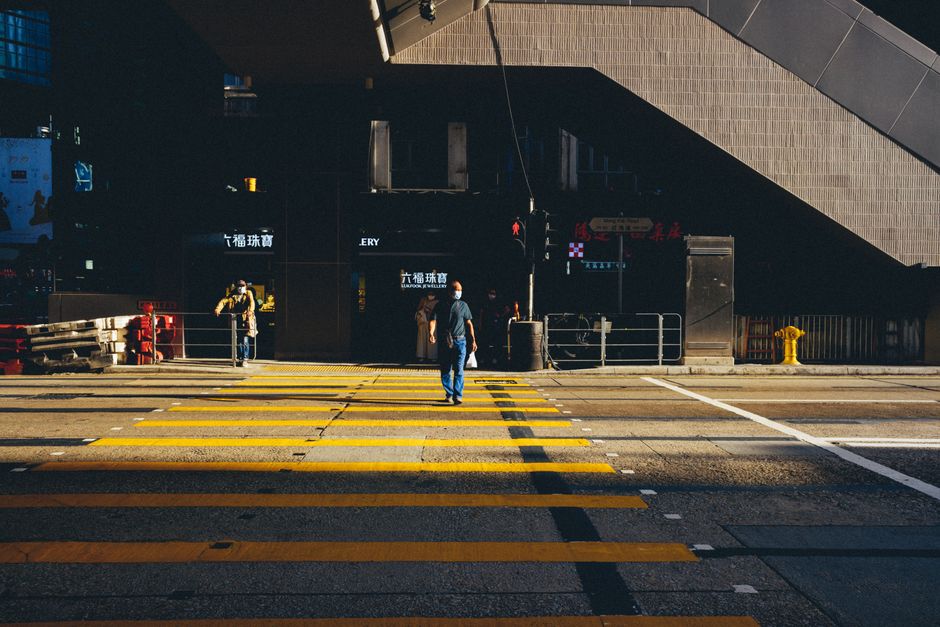
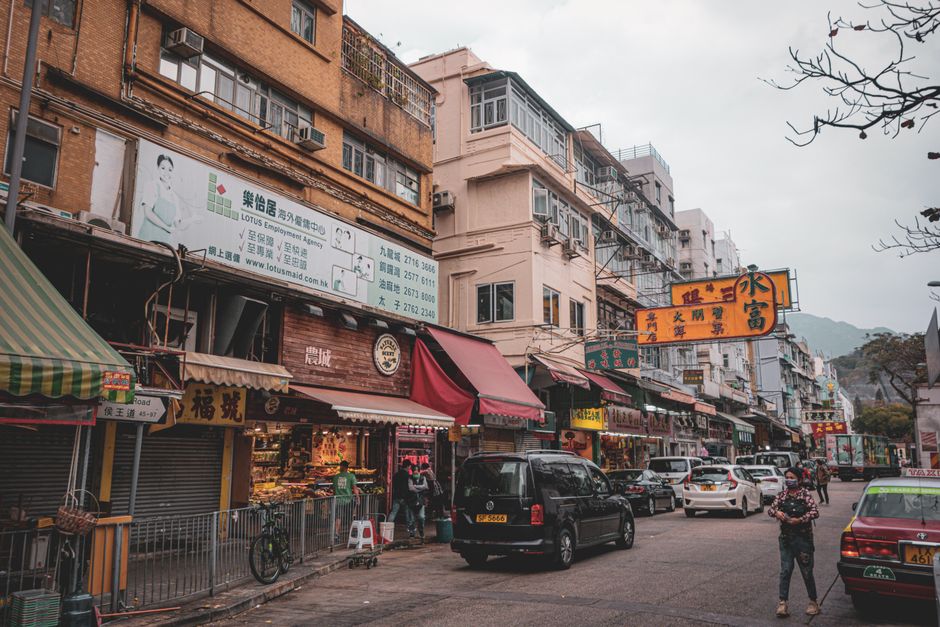
The narrow alleys of Sham Shui Po hum with the sound of hawkers, elderly residents chatting in Cantonese, and the rhythmic clang of metal workshops. But beneath this familiar rhythm lies an urgent question: what comes next for a neighbourhood where average building age exceeds 50 years and rental prices have climbed despite deteriorating conditions?
The Urban Renewal Authority's recent survey identified 47 priority buildings in the Sham Shui Po district requiring intervention, with several on Apliu Street and around the Fei Yue Street wet market flagged as structurally concerning. For residents like those in the densely-packed blocks near Nam Cheong Station, the decisions ahead will determine whether they stay, relocate, or face forced displacement within the next 18 months.
The crossroads is real. Property owners must decide by September whether to participate in the URA's redevelopment scheme, which typically offers compensation averaging 70-80 per cent above market rates for older properties. Alternatively, they can pursue private renovation—a costly gamble when structural upgrades can exceed HK$2 million per building. Meanwhile, renters, many paying HK$3,500-5,500 monthly for subdivided units, face uncertainty about whether they'll be eligible for relocation assistance.
Community organisations like Sham Shui Po's neighbourhood centre have already begun mapping resident concerns. The key tension: balancing preservation of the district's identity—its affordable rentals, heritage workshops, and vibrant street culture—against genuine safety and living standard improvements. Young creatives have recently moved into cheaper spaces here, adding a cultural dimension that makes preservation advocates nervous about gentrification post-redevelopment.
The Fei Yue Street market presents a particularly thorny decision point. The 70-year-old market, which serves as both economic lifeline and social hub for 200+ vendors and elderly customers, sits within a URA consideration zone. Whether it relocates, modernises in place, or closes entirely hinges on decisions that must be made by end-August.
District councillors and the Sham Shui Po Community Concern Group are now pushing for transparent timelines and genuine consultation—demanding that decisions be made with residents' input rather than merely announced to them. The next three months will be critical. Property owners need clarity on compensation terms. Residents need assurance about relocation support. Small business owners need viable alternatives if their current locations are redeveloped.
Sham Shui Po stands at its most consequential moment in decades. The decisions residents, owners, and authorities make now will either revitalise the district while preserving its character, or risk erasing the neighbourhood that has defined working-class Hong Kong for generations.
This article was compiled by AI and screened before publishing. See our editorial standards.
About this article
Published by The Daily Hong Kong
Spread the word
Daily brief
Free, in your inbox before 7am. Weekdays.
Before you go
The day's Hong Kong news in a 2-minute read. Free, weekday mornings.