News
MTR Northern Link Hong Kong: Delays Explained
MTR Northern Link delays leave Fanling and Sheung Shui residents facing 90-minute commutes. Why the New Territories expansion matters for Hong Kong connectivity.
3 min read
News
MTR Northern Link delays leave Fanling and Sheung Shui residents facing 90-minute commutes. Why the New Territories expansion matters for Hong Kong connectivity.
3 min read
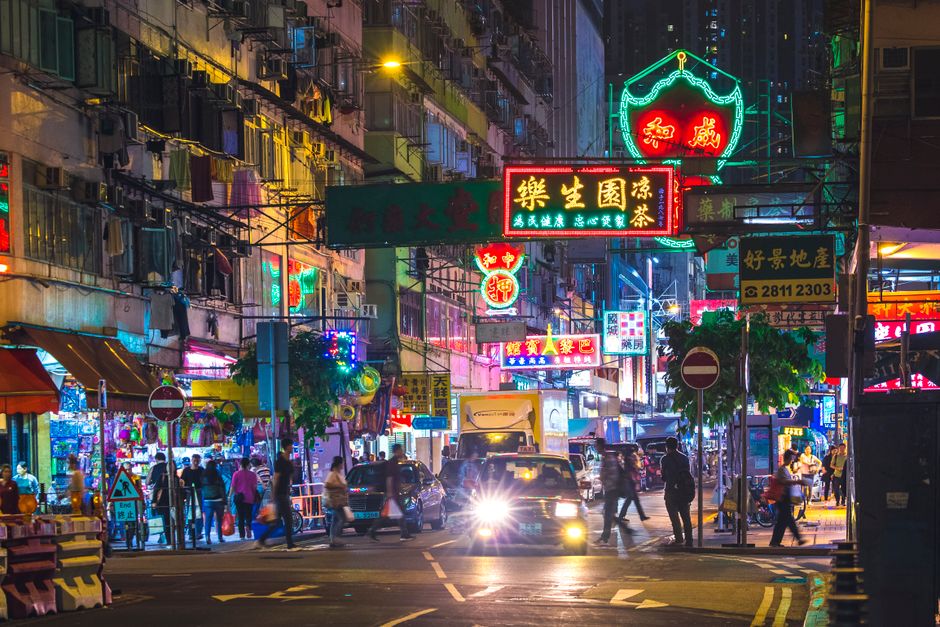
For commuters living in Fanling and Sheung Shui, the daily grind has become increasingly unbearable. Current bus and minibus routes to Central and Admiralty can take up to 90 minutes during peak hours—a far cry from the 35-minute journey promised by the delayed Northern Link MTR extension, originally scheduled for 2024.
The project's postponement has triggered a domino effect across the New Territories. Property developers report sluggish sales in districts like Tai Po and North Point, where young families and first-time buyers had factored in improved connectivity when considering purchases. Meanwhile, local businesses in Sheung Shui complain of reduced foot traffic as shoppers increasingly gravitate towards more accessible areas in Mong Kok and Causeway Bay.
"We're essentially trapped," says a local community leader from the Fanling District Council, reflecting concerns shared across multiple neighbourhood organisations. The Northern Link—comprising two new stations at Fanling and Sha Tin—is just one piece of Hong Kong's sprawling transport puzzle, but its delays have exposed deeper questions about infrastructure planning.
The economic stakes are substantial. Transport accounts for roughly 12% of a Hong Kong household's monthly expenditure, according to recent Census and Statistics Department data. For New Territories residents, this figure climbs closer to 15%, with current petrol prices hovering around HK$19 per litre and taxi fares consuming significant portions of working-class budgets.
Beyond economics, the delays highlight equity concerns. Elderly residents in Sheung Shui struggle with lengthy bus journeys to access healthcare facilities in Central, while schoolchildren from outlying villages face exhausting commutes to secondary schools clustered in more central locations. The promised MTR connection would fundamentally reshape these daily patterns.
Yet the broader infrastructure picture extends beyond rail. The completion of the Cross-Harbour Tunnel improvements and planned upgrades to the Lantau Link promise to redistribute traffic flows across the harbour in ways not seen since the opening of the Hong Kong-Zhuhai-Macau Bridge in 2018. These interconnected projects suggest officials are thinking systemically—though execution timelines continue to slip.
Community groups have begun mobilising, filing formal requests with the Transport Department for interim solutions: express bus services, subsidised transport vouchers, and transparent timelines for completion. The Northern Link now carries symbolic weight beyond its practical function—it represents whether Hong Kong's planning apparatus can deliver on promises made to its most distant residents.
When major transport infrastructure finally arrives in the New Territories, the impact will ripple through property markets, business districts, and daily lived experience for over 800,000 residents. Until then, the waiting continues.
This article was compiled by AI and screened before publishing. See our editorial standards.
About this article
Published by The Daily Hong Kong
Spread the word
Daily brief
Free, in your inbox before 7am. Weekdays.
Before you go
The day's Hong Kong news in a 2-minute read. Free, weekday mornings.