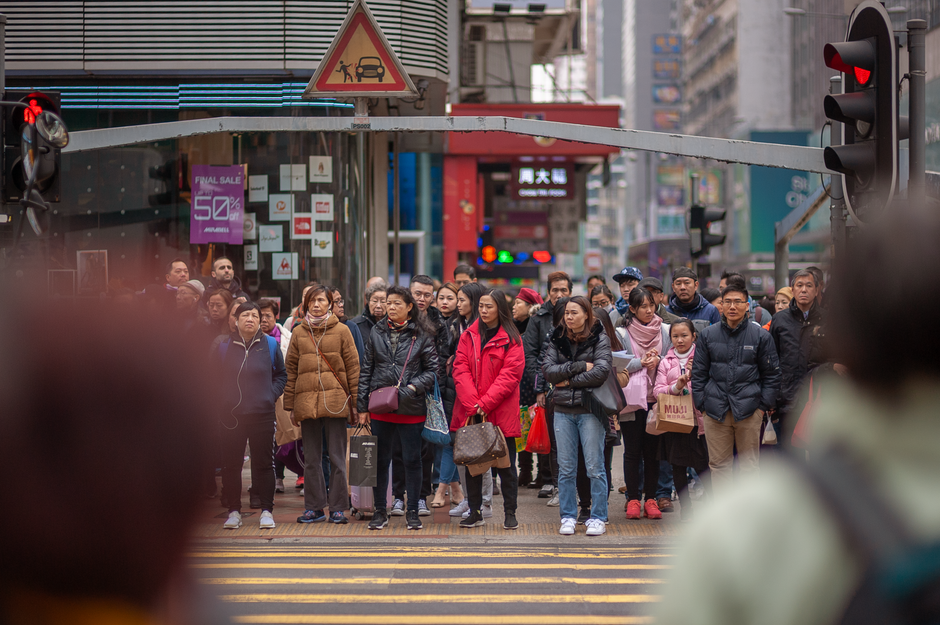
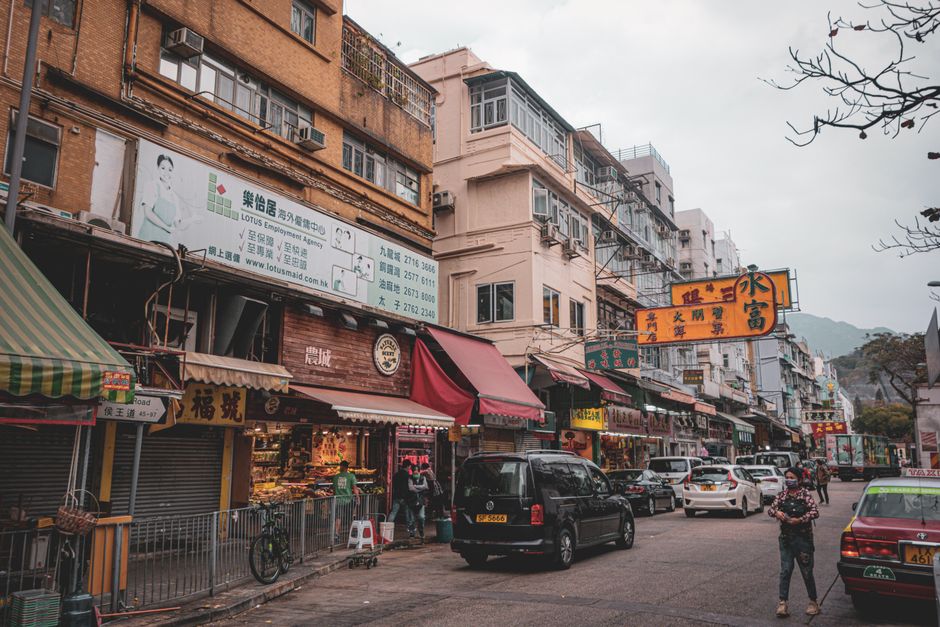
Hong Kong's multicultural neighbourhoods are experiencing a significant influx this week, as regional instability and new visa initiatives spark fresh waves of migration to the city. Community leaders in areas like Chungking Mansions in Mong Kok and the Filipino enclave around Central have reported surge in inquiries about long-term residency, with local migration support organisations overwhelmed by demand.
The Migration Ordinance amendments, which came into effect on Monday, now allow skilled professionals from ASEAN nations to apply for extended visas of up to two years—a change that migration advocates say could reshape Hong Kong's workforce. "We've seen a 40 per cent increase in applications since the announcement," said a spokesperson for the Asian Migrant Centre, the city's leading independent organisation supporting migrant workers' rights. Applications for employment visas for nurses, engineers and tech professionals from Thailand, Philippines and Vietnam have surged particularly sharply.
Concurrent geopolitical developments in the wider region—including military tensions and humanitarian crises across South and Southeast Asia—appear to be accelerating interest in Hong Kong as a more stable base for families and professionals. Many are seeking secondary residency or long-term employment that could lead to permanent settlement, according to caseworkers at the Christian Action Team, which operates drop-in centres in Causeway Bay and Wong Tai Sin.
The Economic and Employment Council's latest data, released Thursday, indicates Hong Kong's foreign worker population has grown to approximately 406,000—roughly 5.4 per cent of the workforce—with significant communities now concentrated in Wan Chai, North Point, and the New Territories. Rental demand in traditionally multicultural areas has intensified; studio flats in Chungking Mansions now command average monthly rents of HK$7,500 to HK$9,500, up 12 per cent from last quarter.
However, the rapid influx is testing existing support infrastructure. The Hong Kong Migrant Workers Centre reported that its English-language legal clinics, held Wednesdays at their Fortress Hill office, are now booked four weeks in advance. Housing discrimination complaints have also risen 18 per cent year-on-year, with landlords increasingly reluctant to rent to migrant families, according to preliminary data from the Equal Opportunities Commission.
Community leaders are urging the government to expand settlement support services and strengthen anti-discrimination enforcement. "We need proactive integration policies, not just visa windows," advocates emphasise, as Hong Kong positions itself as a gateway for skilled migration in an increasingly uncertain region.
This article was compiled by AI from the sources linked above and screened before publishing. See our editorial standards.