News
From Landfill Crisis to Green Goals: How Hong Kong Got Here on Sustainability
A decade of mounting waste, air pollution warnings and public outcry transformed the city's approach to environmental responsibility.
3 min read
Updated 15 h ago
News
A decade of mounting waste, air pollution warnings and public outcry transformed the city's approach to environmental responsibility.
3 min read
Updated 15 h ago
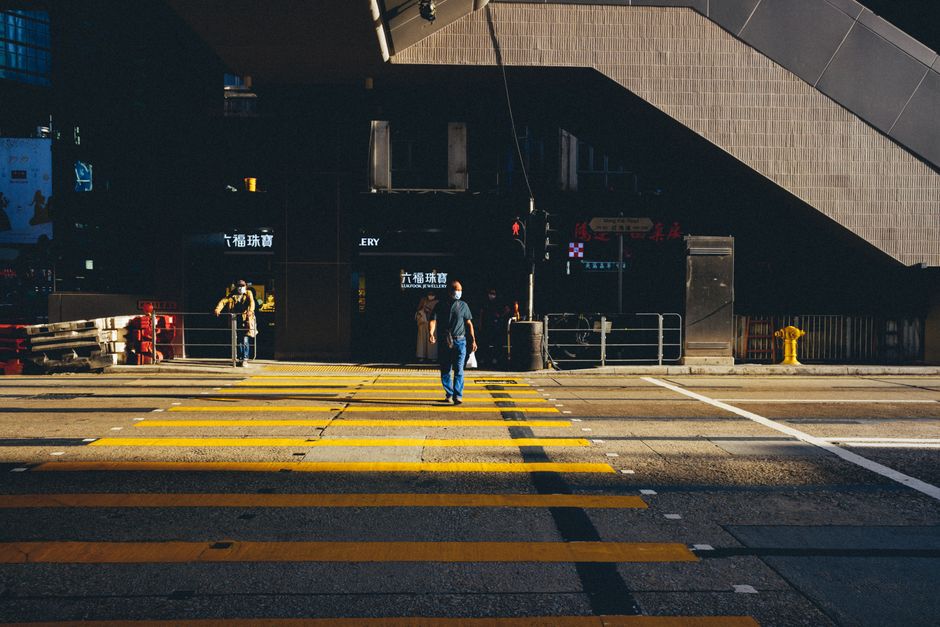
Hong Kong's sustainability initiatives didn't emerge from abstract idealism. They were born from crisis.
A decade ago, the Tseung Kwan O Landfill and West New Territories Landfill were bursting. The Environmental Protection Department warned that without intervention, Hong Kong would face a genuine waste emergency within years. Daily refuse production had swelled to roughly 13,500 tonnes—enough to fill Victoria Harbour with rubbish within a generation at that pace. The public noticed: foul odours drifted from landfill sites toward surrounding neighbourhoods like Tseung Kwan O and Kam Tin, prompting complaints that made front-page news and sparked community meetings at local district centres.
Air quality became impossible to ignore. Pollution readings regularly spiked in districts like Mong Kok and Central, with visibility sometimes dropping to a few hundred metres. Respiratory illness rates climbed. Tourists questioned whether Hong Kong remained the gleaming financial hub it once was. That reputational toll—affecting everything from business confidence to talent recruitment—finally galvanised action at government and corporate levels.
The 2015-2020 period marked a turning point. The Environmental Protection Bureau introduced extended producer responsibility schemes. Restaurants along Des Voeux Road and throughout Sheung Wan began composting programmes. The MTR network installed recycling bins at major stations like Central, Admiralty, and Mongkok, reaching hundreds of thousands of commuters daily. The University of Hong Kong and Chinese University initiated research partnerships on carbon reduction and circular economy models.
Between 2016 and 2024, Hong Kong's recycling rate climbed from roughly 35 percent to over 51 percent—still below leading global cities, but representing genuine momentum. The government committed to achieving carbon neutrality by 2050, committing billions to renewable energy infrastructure and retrofitting older buildings across Wan Chai and Causeway Bay that once represented environmental liabilities.
What changed was visibility. Hong Kong residents—dense population living cheek-by-jowl with environmental consequences—couldn't pretend the problem existed elsewhere. News coverage from major outlets highlighted the human cost. Young people organised community clean-ups at beaches in Stanley and Shau Kei Wan. Pressure mounted on corporations and civic institutions to demonstrate environmental stewardship.
Today's green initiatives—from the upcoming offshore wind farms to electric bus fleets expanding across territories—reflect not enlightened foresight but rather hard-won acknowledgment. Hong Kong arrived at sustainability not through inspiration, but through necessity. The city's environmental journey serves as a reminder that systemic change often requires the public to experience consequences directly. Only then does action follow.
This article was compiled by AI from the sources linked above and screened before publishing. See our editorial standards.
About this article
Published by The Daily Hong Kong
Spread the word
Daily brief
Free, in your inbox before 7am. Weekdays.
Before you go
The day's Hong Kong news in a 2-minute read. Free, weekday mornings.