News
By the Numbers: What Hong Kong's Latest Housing Plan Really Means
Fresh data reveals the scale of the challenge facing the government's revised urban development strategy.
3 min read
News
Fresh data reveals the scale of the challenge facing the government's revised urban development strategy.
3 min read
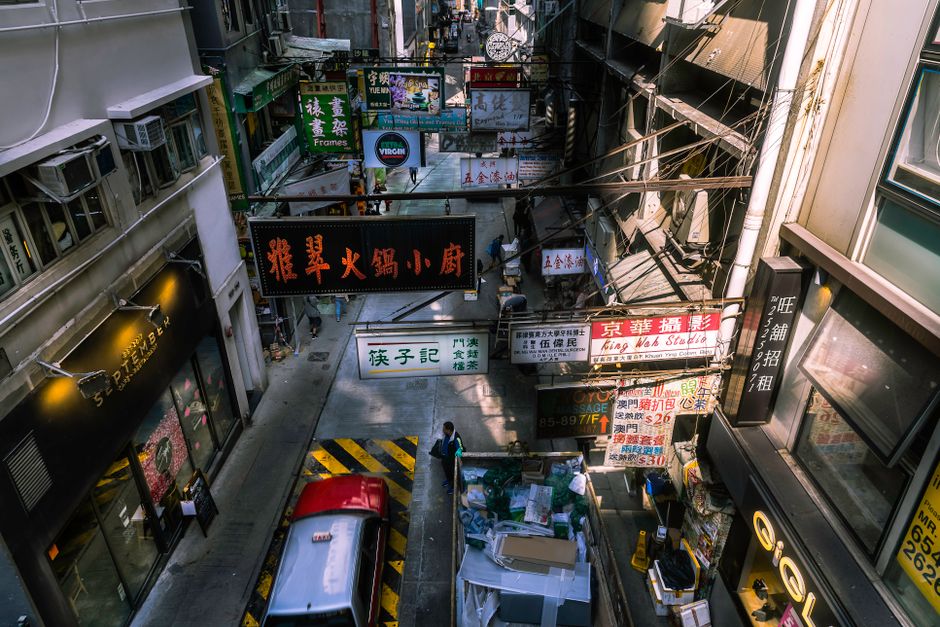
Hong Kong's newest housing policy framework, unveiled this quarter, tells a starkly different story when you examine the underlying statistics. The numbers paint a portrait of a city still grappling with one of the world's most acute affordability crises, despite optimistic government projections.
According to the Housing Authority's latest annual review, the average waiting time for public housing allocation now stands at 5.4 years—up from 4.8 years three years ago. More sobering: the current public housing waitlist exceeds 132,000 households, a figure that has remained stubbornly resistant to policy interventions. For context, that represents roughly 3.2 per cent of Hong Kong's entire population queuing for homes.
The government's revised development blueprint targets 35,000 new housing units over the next decade, split between public and private sectors. Yet demographers at the University of Hong Kong have calculated that demand will likely exceed 42,000 units annually just to accommodate natural population growth and inbound professionals. The gap—approximately 70,000 units over ten years—represents a structural shortfall that urban planners acknowledge privately but rarely address directly in public forums.
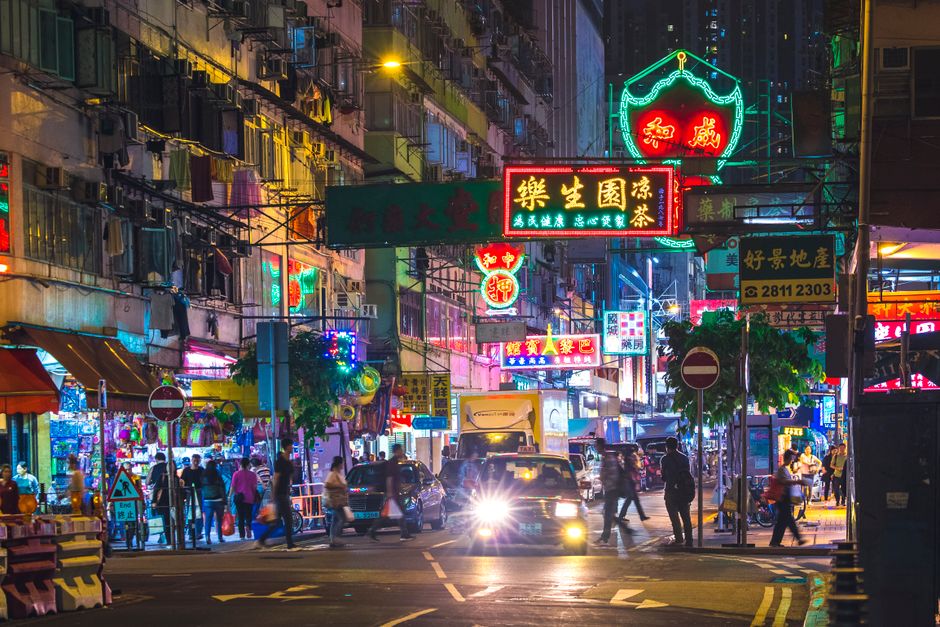
Private market data illustrates the pressures reshaping neighbourhoods across the territory. In Mong Kok, median flat prices have climbed to HK$88,000 per square foot, compared to HK$52,000 five years prior—a 69 per cent appreciation. Meanwhile, salaries for middle-income workers have grown merely 12 per cent in the same period. Similar patterns grip Wong Tai Sin, Sham Shui Po, and increasingly, outer districts like Tuen Mun.
The government's New Territories development strategy assumes that reclamation and new town expansion projects—particularly the proposed schemes near Hung Shui Kiu and areas surrounding the Eastern New Territories—will yield 54,000 residential units by 2036. However, the Urban Planning Board's own environmental impact assessments suggest potential construction delays of 18 to 24 months based on parallel consultation processes currently underway.
Perhaps most revealing: the Lands Department's Q2 statistics show that only 8,200 subsidised sale units were completed, against an annual target of 12,000. Private developers, meanwhile, continue tilting toward luxury segments—units priced above HK$20 million now constitute 31 per cent of all new completions, up from 19 per cent a decade ago.
These aren't merely academic figures. They suggest that even with aggressive policy acceleration, Hong Kong's housing crisis will likely worsen before visible improvement materialises. For families spending 45 per cent or more of monthly income on rent—affecting roughly 1.4 million residents—the statistics offer little immediate relief.
This article was compiled by AI from the sources linked above and screened before publishing. See our editorial standards.
About this article
Published by The Daily Hong Kong
Spread the word
Daily brief
Free, in your inbox before 7am. Weekdays.
Before you go
The day's Hong Kong news in a 2-minute read. Free, weekday mornings.