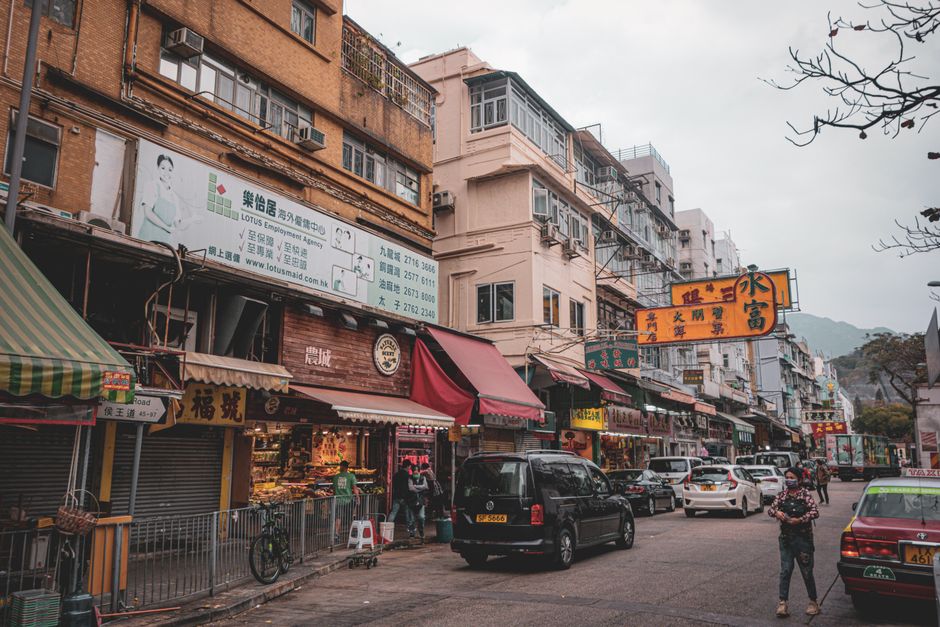
Hong Kong's median property price has climbed to HK$12.8 million, a figure that would exhaust most household budgets across the developed world. Yet as the city's Urban Renewal Authority pushes forward with its Central and Western District initiatives, planners quietly acknowledge what peers in Singapore, Toronto, and Amsterdam have learned: there is no single blueprint for solving housing crises in global financial hubs.
The differences are instructive. Singapore's Housing and Development Board controls nearly 80 percent of the nation's housing stock through direct government ownership and long-term leasehold models. Toronto has experimented with inclusionary zoning requirements on new developments. Amsterdam restricts short-term rentals aggressively. Hong Kong, by contrast, relies heavily on private developers and government land sales while expanding the Mass Transit Railway to unlock peripheral areas like the New Territories.
The results tell contrasting stories. A young professional in Singapore faces a median house price-to-income ratio of roughly 4.5 times annual salary—significantly lower than Hong Kong's 19-fold multiple. Yet Singapore's approach requires state intervention that would prove politically contentious in Hong Kong's capitalism-first culture.
Hong Kong's strategy favours density and transport integration. The New Lantao Link, completed in 2024, exemplifies this: it opened South Lantao to residential development while maintaining green space protection. The Kai Tak Development, unfolding across 322 hectares of reclaimed former runway, aims to house 240,000 residents by the 2030s. This mirrors how Barcelona and Copenhagen have reimagined post-industrial spaces, though with distinctly Hong Kong characteristics: smaller unit sizes, higher floor counts, and integration with metro systems.
Yet challenges persist. Critics argue that Hong Kong's obsession with new supply neglects affordability mechanisms. While Vancouver introduced speculation taxes and foreign-buyer levies, Hong Kong introduced the Starter Homes initiative in 2023, offering units below market rates—but still requiring monthly payments of HK$18,000 to HK$25,000 for many buyers.
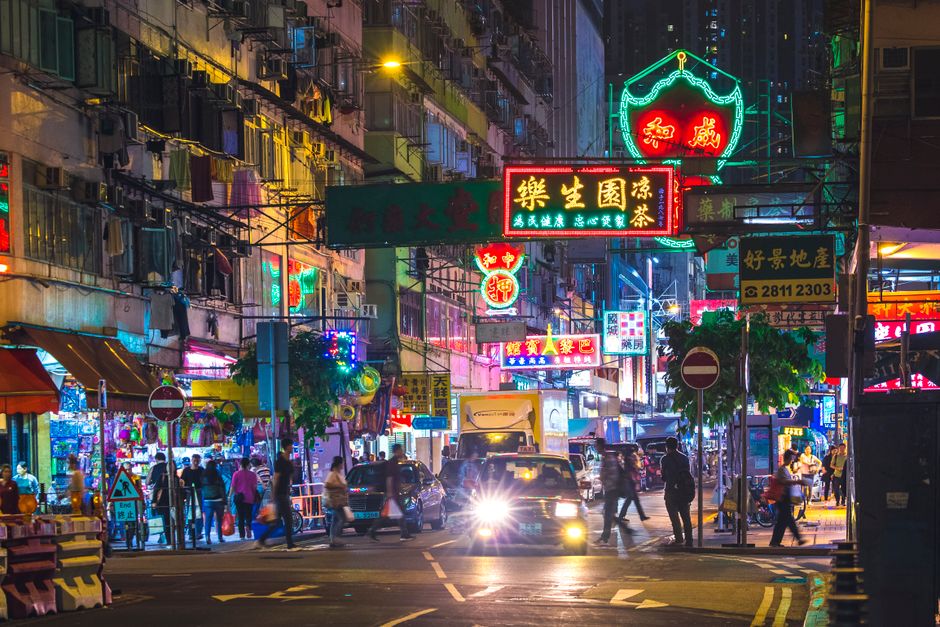
The Urban Renewal Authority's redevelopment of ageing neighbourhoods in Mong Kok and Sham Shui Po has drawn comparisons to Berlin's careful approach to gentrification. Officials insist community consultation is central; resident groups counter that displacement happens regardless of consultation.
As global cities confront the same pressures—tech wealth, migration, limited land—Hong Kong's experience suggests that neither pure market solutions nor heavy state control fully solves the equation. The real lesson may be more humbling: sustained political will, integrated transport planning, and willingness to accept trade-offs between affordability and development pace matter more than any single policy tool.
This article was compiled by AI from the sources linked above and screened before publishing. See our editorial standards.