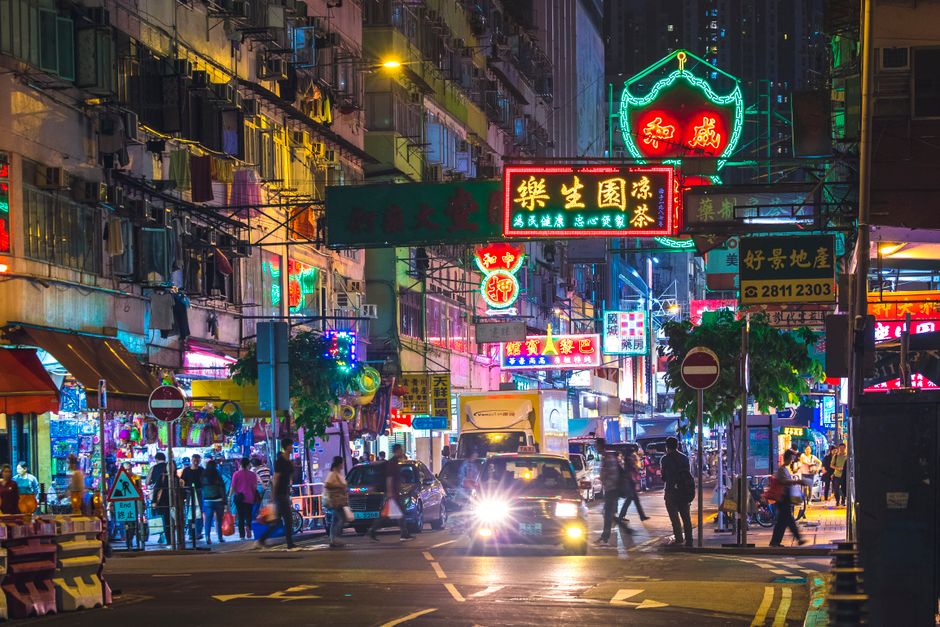
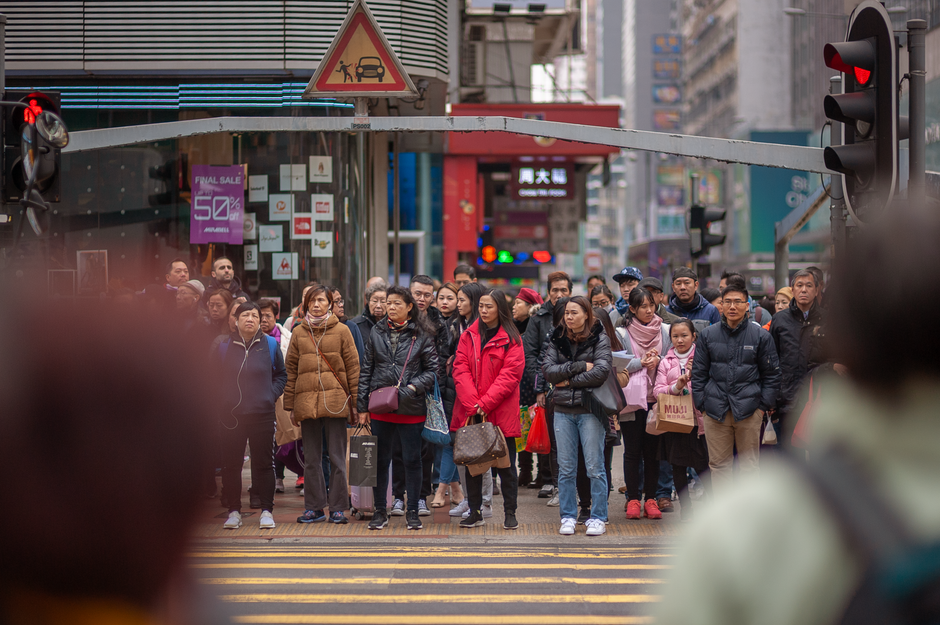
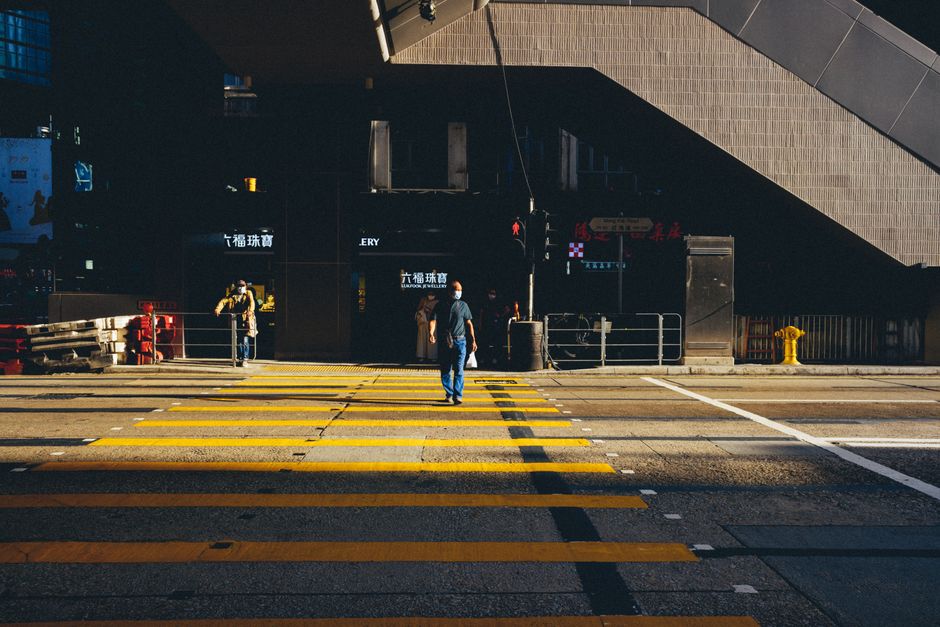
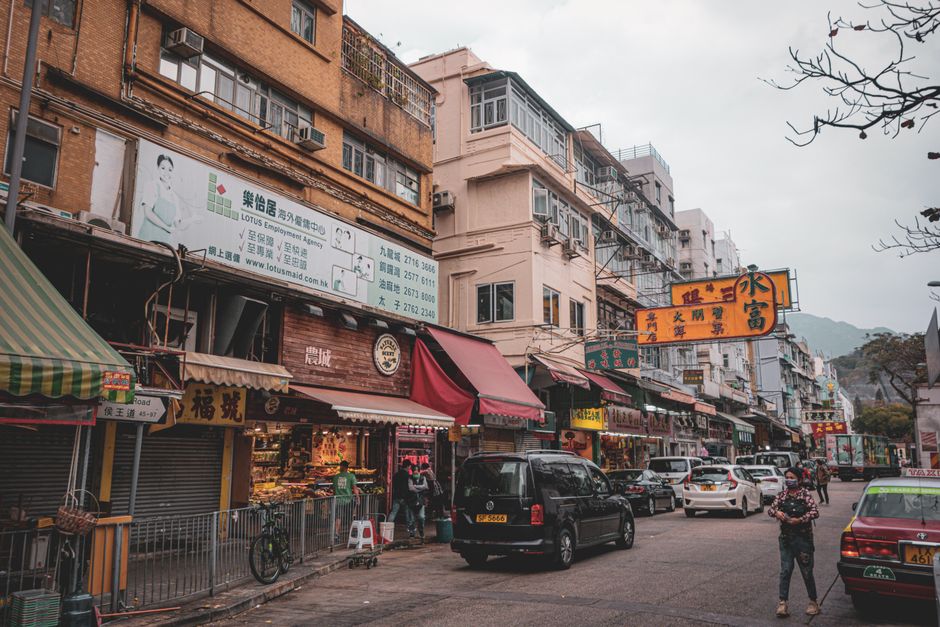
On a humid Tuesday evening, the converted warehouse on Fuk Tsun Street buzzes with activity. Elderly residents chat over cups of tea while teenagers gather at a makeshift study corner, and volunteers sort through donations for a food bank. This is the scene that has become increasingly rare in modern Hong Kong: a genuinely open community space where people from different generations and backgrounds naturally converge.
The Sham Shui Po Community Collective, which officially opened three months ago, represents something quietly radical in 2026 Hong Kong. In a district where average rents have climbed 35 per cent over the past five years and where traditional dai pai dong stalls have steadily vanished, the 2,000-square-metre space offers free programmes, subsidised classes, and a gathering point that asks nothing of visitors except their presence.
"This neighbourhood used to have natural meeting places," explains a volunteer coordinator overseeing the food distribution programme, which now serves approximately 400 families weekly. "The wet markets, the street corners, the tea houses. Those spaces are disappearing, and with them goes the social fabric."
The statistics underscore the urgency. In Sham Shui Po—historically home to working families, students, and elderly residents on modest incomes—median private housing prices reached HK$11,500 per square foot last quarter. The district has lost 23 per cent of its traditional neighbourhood shops since 2020. Meanwhile, isolation among elderly residents has become a documented public health concern, with the area recording above-average rates of depression and anxiety among those over 65.
What matters for residents is tangible: subsidised Cantonese calligraphy classes, free mental health support groups, youth mentoring programmes, and a community kitchen where neighbours cook together. More subtly, the space has become a counterweight to the atomisation that defines life in dense urban Hong Kong, where many residents live in subdivided flats smaller than 100 square feet and rarely know their neighbours' names.
The initiative, funded through a combination of government grants and corporate sponsorship, has spawned similar projects in Mong Kok and Kwun Tong. But Sham Shui Po's version feels most organic—rooted in decades of community activism in a neighbourhood that has consistently resisted erasure.
As Hong Kong grapples with questions about who gets to belong in the city, these ground-level efforts matter precisely because they're not revolutionary. They simply insist that community—the ordinary, daily connections between neighbours—remains essential to what makes a neighbourhood worth living in.
This article was compiled by AI from the sources linked above and screened before publishing. See our editorial standards.