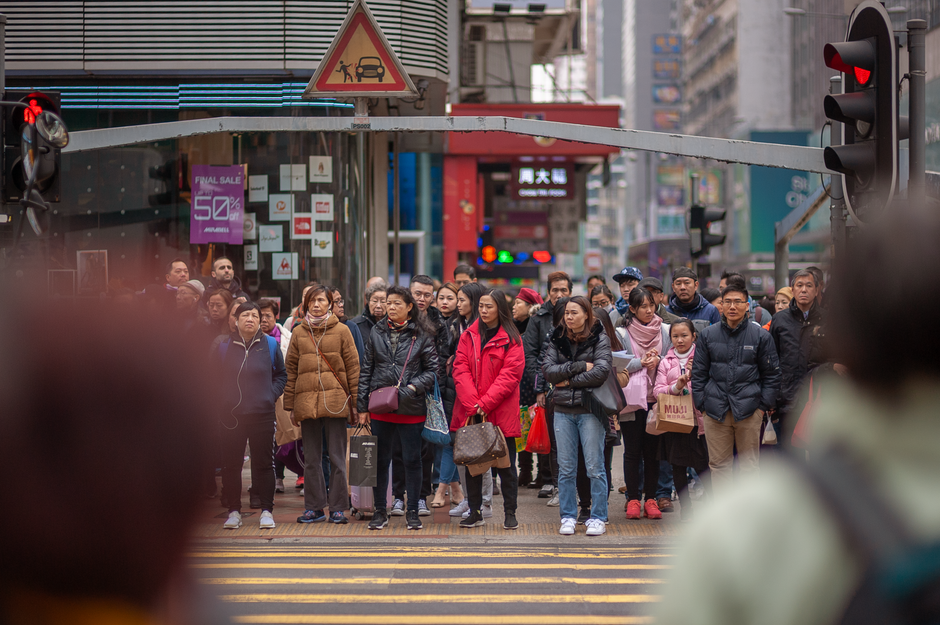
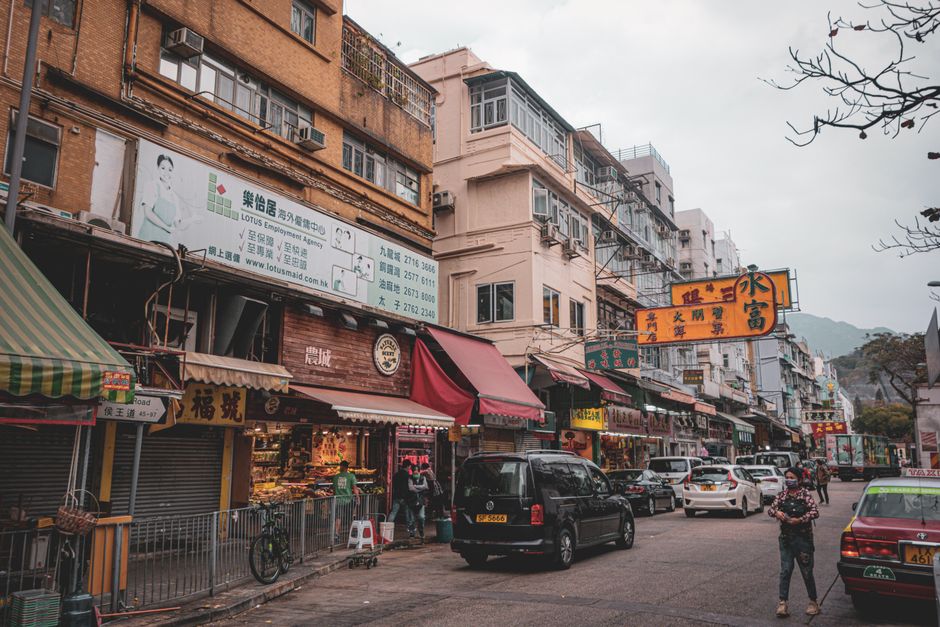
As the Hong Kong government accelerates its West Kowloon cultural district expansion blueprint, residents from surrounding neighbourhoods are making their voices heard at town halls and community meetings, warning that the ambitious urban renewal project risks pricing out long-time residents and erasing the districts' working-class character.
The proposed development, unveiled by the Development Bureau last month, aims to extend cultural infrastructure northward from the existing West Kowloon waterfront precinct into parts of Sham Shui Po and Yau Ma Tei—areas home to traditional Chinese medicine shops, elderly care facilities, and tenement housing where rents average HK$4,500 for a subdivided unit.
"We've seen this story before," said Wong Mei-lan, a community organiser with the Sham Shui Po Residents' Alliance, speaking at a packed meeting at Sham Shui Po Community Centre on Portland Street last week. "When cultural projects arrive, property values spike, landlords renovate, and families like ours can no longer afford to stay." Wong's group has gathered over 2,000 signatures opposing the plans without stronger rent protection guarantees.
Government officials have promised heritage preservation efforts and community consultation phases, but residents say the timelines remain vague. The Yau Ma Tei Kaifong Welfare Association echoed similar concerns, noting that 34 percent of residents in the district are over 65 years old—a demographic particularly vulnerable to displacement.
"Our elderly cannot simply relocate to public housing waiting lists that already stretch five years," said Lai Ching-wah, the association's chairman. "We need concrete commitments, not symbolic gestures."
The expansion plan includes new performance venues, artist studios, and public plazas intended to activate the cultural economy. Supporters argue the project could generate jobs and boost local tourism. However, residents worry that "activation" often means gentrification in practice.
The government has committed to holding three rounds of public engagement sessions through August, with the first already scheduled for July 12 at Reclamation Street Market. A spokesperson confirmed that affordability safeguards would be discussed, though no specific rent controls or anti-displacement policies have been detailed.
For now, community groups are organising their own forums and preparing detailed feedback submissions. Wong's alliance plans to submit a counter-proposal emphasizing affordable housing preservation and small-business protections before the August 30 consultation deadline.
"We're not against culture or progress," Wong said. "But progress that abandons the people already here isn't progress—it's erasure."
This article was compiled by AI from the sources linked above and screened before publishing. See our editorial standards.