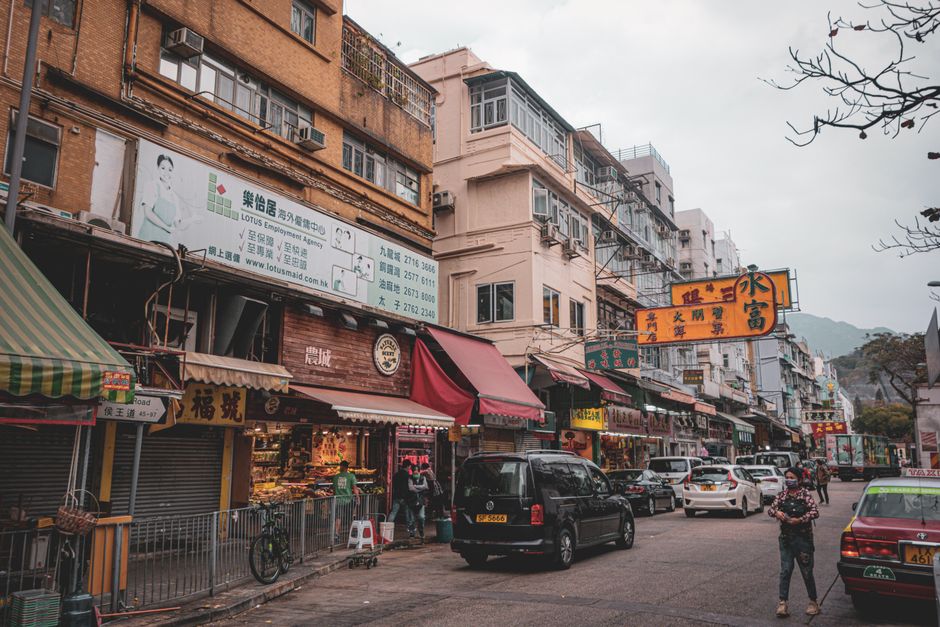
Housing officials announced fresh urban renewal proposals for central Sham Shui Po this week, focusing on several ageing tenement blocks along Cheung Sha Wan Road and the streets surrounding the district's historic Nam Cheong Street market. The plan aims to unlock land for modern residential and commercial development, part of a broader strategy to ease Hong Kong's perennial housing shortage.
Yet residents and community advocates have expressed alarm about the implementation timeline and compensation framework. The Housing Authority has indicated that affected households could face relocation within 18 to 24 months—a timeframe many say is unrealistic for elderly residents and low-income families already stretched by the city's punishing property market.
"My parents have lived in their flat on Yen Chow Street for 34 years," said one community leader speaking on behalf of residents. "They pay HK$4,500 monthly rent. Where can they possibly go? New flats in the district are HK$30,000 or more." The authority's relocation allowance—set at around HK$260,000 for a single-person household—falls far short of down payments needed in even neighbouring areas like Mong Kok.
Sham Shui Po, home to approximately 370,000 people, represents one of Hong Kong's most densely populated and economically vulnerable districts. Nearly 40 percent of residents live in subdivided units or public housing, according to recent government figures. Community organisations including the Sham Shui Po District Council have called for extended consultation periods and independent impact assessments before any demolition proceeds.
Officials counter that renewal is essential. The district's building stock averages 50 years old, with significant fire safety and structural concerns documented in recent inspections. The government argues that modernisation will ultimately benefit residents through improved living standards and neighbourhood amenities.
The disagreement reflects a broader tension in Hong Kong's urban planning: the pressure to develop scarce land against the social costs of displacement. Similar tensions have surfaced in recent years in areas like Kwun Tong and To Kwa Wan, where residents staged prolonged protests against forced relocation.
The government has scheduled three public forums at the Sham Shui Po Community Hall in July to hear resident concerns. Community groups say they will present detailed counter-proposals, including staggered relocation schedules and enhanced compensation tied to district property values rather than flat sizes.
For many long-time residents, the coming months will determine whether renewal brings genuine opportunity or simply displacement dressed in development language.
This article was compiled by AI from the sources linked above and screened before publishing. See our editorial standards.