While Venezuela grapples with rescue operations hampered by infrastructure collapse and Pakistan's sudden cross-border strikes expose vulnerabilities in regional coordination, Hong Kong's approach to public safety and emergency services reveals a markedly different operational model—one that experts say reflects decades of refinement in a densely populated metropolis.
The Hong Kong Fire Services Department handles approximately 45,000 emergency calls annually across a territory of just 1,104 square kilometres, operating 114 fire stations and 17 ambulance depots. Response times average under eight minutes in urban areas like Central and Mongkok, compared to 12-15 minutes in comparable cities such as Singapore and Frankfurt. Last year's warehouse fire in Ap Lei Chau—which required evacuation of nearby residential blocks within 40 minutes—demonstrated this efficiency, though it also exposed challenges in coordinating across Kowloon's densely packed neighbourhoods.
The Police Force's Community Policing approach, anchored at districts like Wan Chai and Sham Shui Po, emphasises prevention over reactive measures. Crime rates have remained stable, with 2025 homicides numbering just 12 across the entire SAR—a figure that contrasts sharply with global peers: New York recorded 234 last year, London 156, and Sydney 42. However, cybercrime reports jumped 23 per cent, reflecting vulnerabilities less visible to traditional policing.
Integration represents Hong Kong's competitive advantage. The Emergency Operations Centre, based in Central, connects police, fire, ambulance, and government departments through a unified command system. During the 2024 typhoon season, this coordination enabled real-time resource allocation across the New Territories and outlying islands—a capability that economies like Germany have only recently begun implementing following the deadly shooting incident in Bremen.
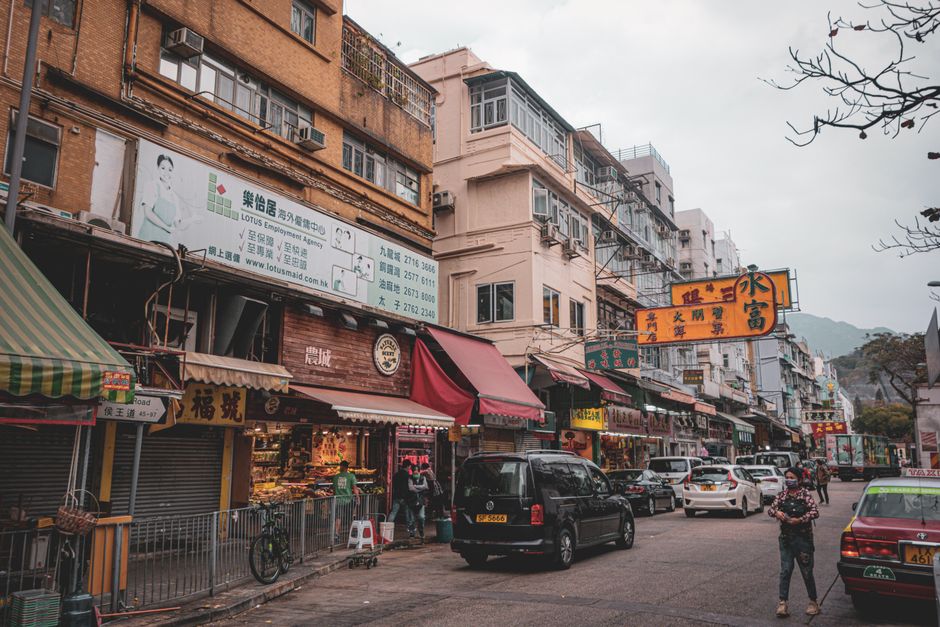
Yet challenges persist. Hong Kong's ageing building stock, particularly in Mong Kok and Sham Shui Po, complicates rapid emergency access. Fire safety inspections of subdivided flats remain underfunded, with only 180 inspectors covering approximately 90,000 units. The shortage has prompted comparisons to undersourced systems in developing nations, even as the city maintains higher standards than most.
The Hospital Authority's trauma system, with centres like Queen Mary Hospital in Pok Fu Lam maintaining Level 1 trauma status, achieves survival rates for critical injuries comparable to Melbourne and Toronto. Average ambulance-to-hospital time stands at 22 minutes territory-wide.
As global crises underscore the importance of robust emergency infrastructure, Hong Kong's model demonstrates that density need not compromise responsiveness. Yet experts warn that investment gaps—particularly in preventive services and older neighbourhoods—could erode these advantages if left unaddressed.
This article was compiled by AI and screened before publishing. See our editorial standards.