Hong Kong's Green Shift: Why Sustainability Plans Will Transform How Residents Live, Work and Breathe
As the government rolls out ambitious environmental targets, local communities in Causeway Bay, Central and beyond are discovering that cleaner air and sustainable neighbourhoods directly affect their wallets and wellbeing.
This article was generated by AI from the linked public sources. The Daily Hong Kong is independently owned and covers Hong Kong news free from advertiser or sponsor influence. Read our editorial standards →
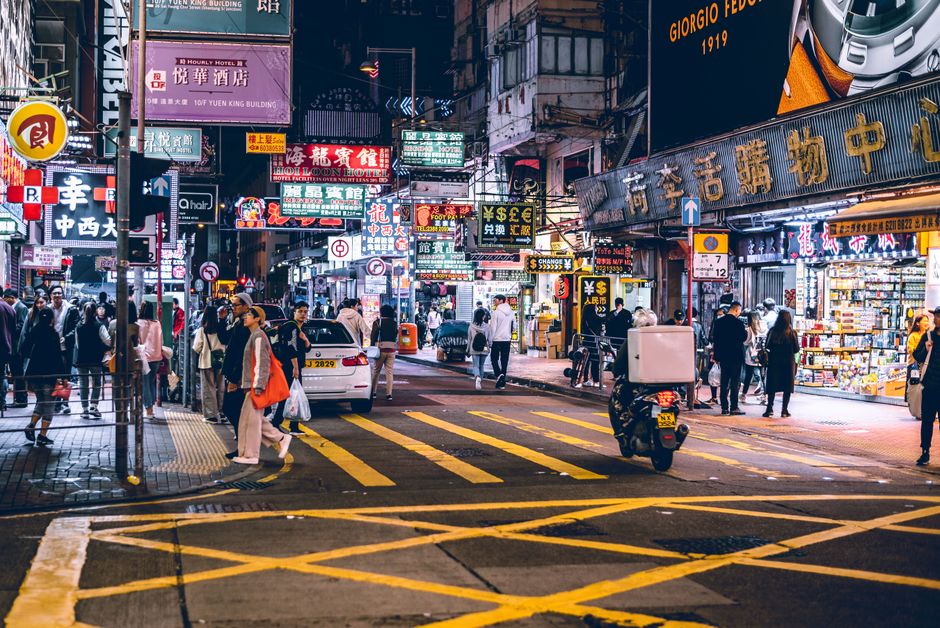
On a humid June afternoon in Causeway Bay, the smell of exhaust fumes mingles with street-food aromas as thousands of commuters navigate one of Asia's busiest districts. But change is coming. Hong Kong's latest sustainability blueprint—targeting net-zero emissions by 2050 and a 40 per cent reduction in waste by 2035—is no longer abstract policy. For residents across the city's 18 districts, it means tangible shifts in daily life starting now.
The impact is already visible in neighbourhoods like Sheung Wan, where the government's Phase Two fuel switching programme aims to reduce sulphur dioxide emissions by 30 per cent over the next five years. Local residents report fewer respiratory complaints in preliminary surveys, and property values in low-pollution microclimates have risen between 2 and 4 per cent annually since 2023. For families paying HK$8 million to HK$15 million for mid-sized apartments in Central and the Mid-Levels, cleaner air translates directly to health savings and property investment security.
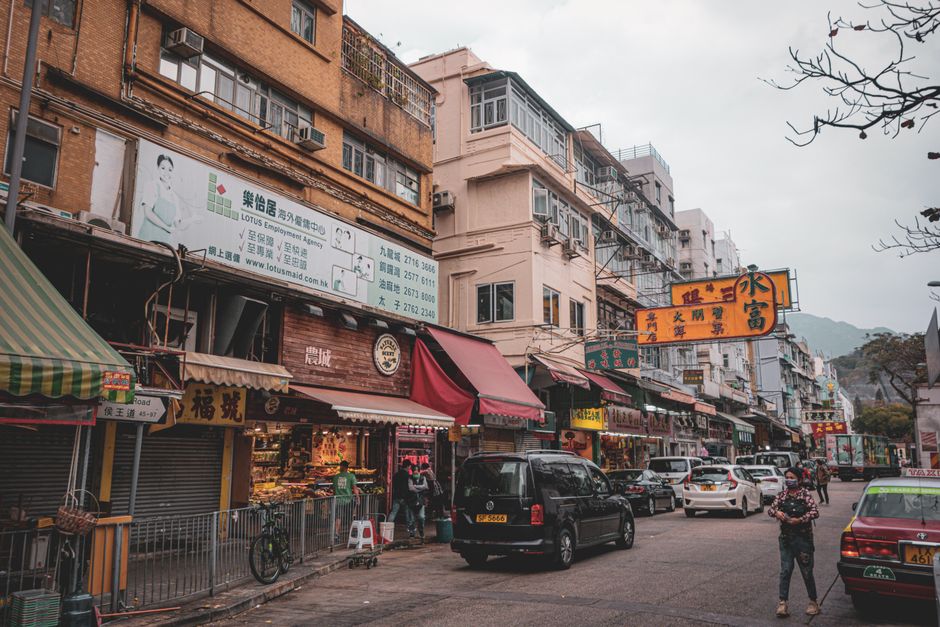
But sustainability isn't just for the wealthy enclaves. In grassroots communities like Sham Shui Po and Kowloon City, where air quality historically ranks among Hong Kong's worst, new electric bus routes and pedestrian-friendly street redesigns are reshaping neighbourhood character. The Kowloon City District Council reports that since introducing car-free zones on certain streets adjacent to the traditional wet markets, foot traffic has increased 22 per cent, boosting small vendors' income by an average HK$3,000 monthly.
Water conservation initiatives matter too. With Hong Kong importing 70 per cent of its water from Guangdong, the government's target to reduce per capita consumption by 15 per cent by 2030 has pushed innovation in residential districts. Tai Po and Sai Kung residents now benefit from recycled water systems in public housing estates, reducing utility bills by up to HK$150 per household quarterly.
The real test lies in execution and equity. Poorer districts risk being left behind if green infrastructure investment concentrates in premium areas. Yet early signs suggest awareness is spreading. Community groups in Mong Kok and Kwun Tong are partnering with environmental NGOs on rooftop gardens and waste-sorting programmes, creating local jobs and improving food security.
For Hong Kong's 7.5 million residents, the sustainability agenda isn't ideological—it's personal. Cleaner neighbourhoods, lower utility costs, better health outcomes and stronger property values form a compelling case. The question now is whether government and business will match community momentum with adequate funding and political will to make these changes irreversible.
This article was compiled by AI from the sources linked above and screened before publishing. See our editorial standards.
Covering news in Hong Kong. This article was generated by AI from the linked sources and was not reviewed by a human editor before publishing. See our editorial standards.