By The Numbers: What Data Reveals About Hong Kong's Changing Neighbourhood Fabric
As gentrification reshapes traditional districts, statistical analysis uncovers shifts in demographics, business turnover, and community cohesion across the city.
This article was generated by AI from the linked public sources. The Daily Hong Kong is independently owned and covers Hong Kong news free from advertiser or sponsor influence. Read our editorial standards →
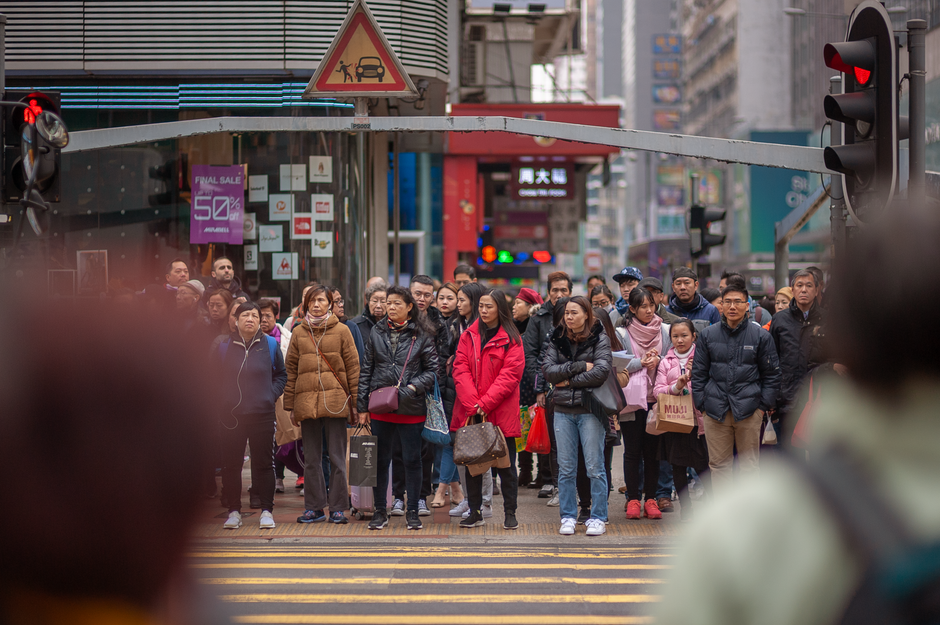
A quiet revolution is unfolding across Hong Kong's neighbourhoods, and the numbers tell a compelling story of transformation. Recent data compiled by the Census and Statistics Department, combined with community organisation records, reveals how several traditional districts are experiencing dramatic demographic and commercial shifts.
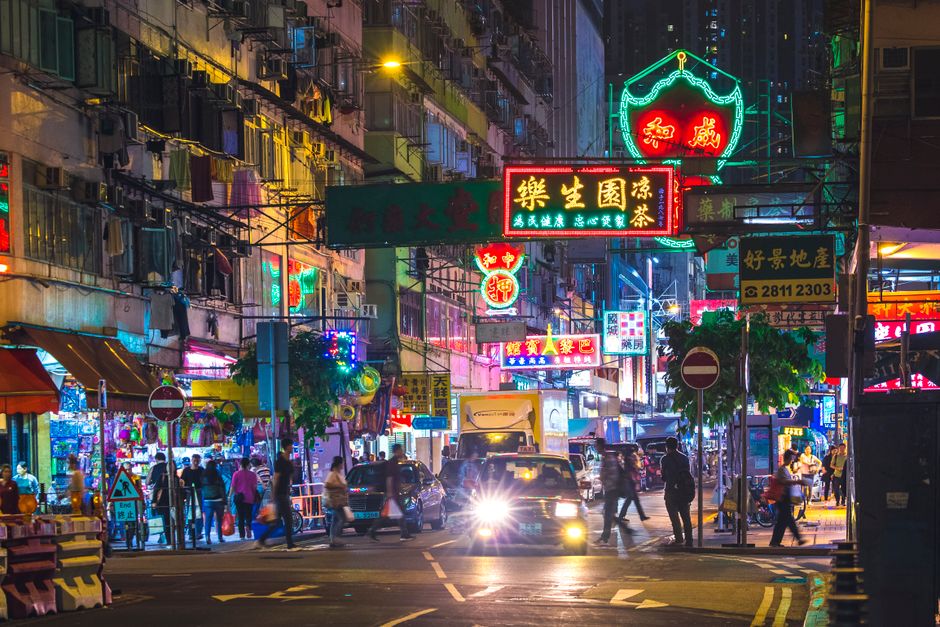
In Mong Kok, once a densely packed residential hub, population density has declined by 12% over the past five years, according to district council records. Simultaneously, retail rents on Nathan Road have surged 31% since 2021, climbing from an average of HK$850 per square foot to HK$1,115—pricing out independent family-run shops that have operated for decades. The Mong Kok Community Centre reports that senior citizen programme attendance has dropped 23% year-on-year, suggesting an ageing population is gradually relocating to more affordable areas.
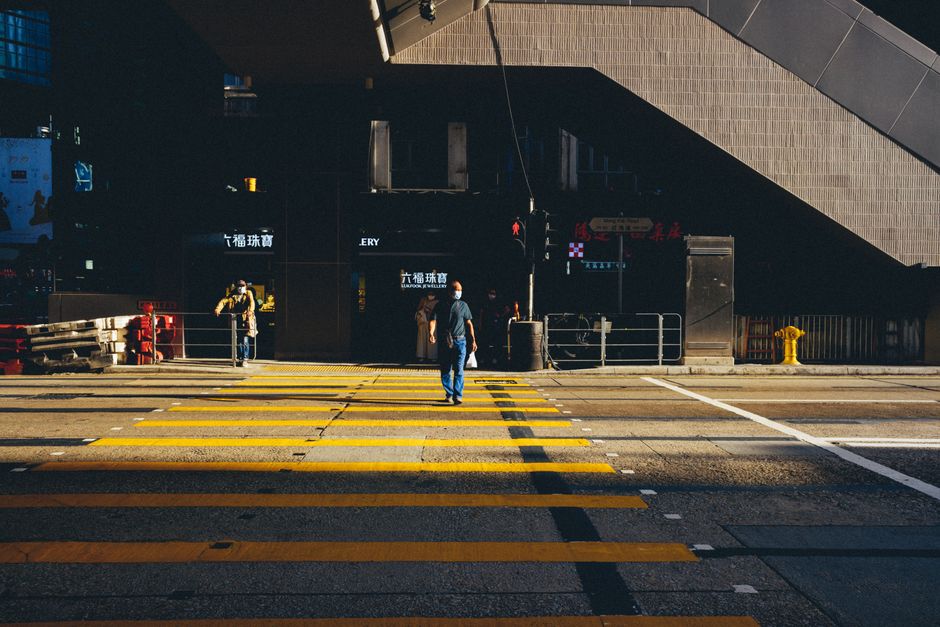
The trend mirrors patterns across Central and Wan Chai. Data from the Urban Renewal Authority shows that in the past 18 months alone, 47 heritage buildings in these districts have either been demolished or substantially redeveloped. Meanwhile, the Wanchai Neighbourhood Centre recorded a 34% increase in enquiries about affordable housing assistance, with residents reporting average monthly rents of HK$18,500 for a 400-square-foot flat—up from HK$14,200 three years prior.
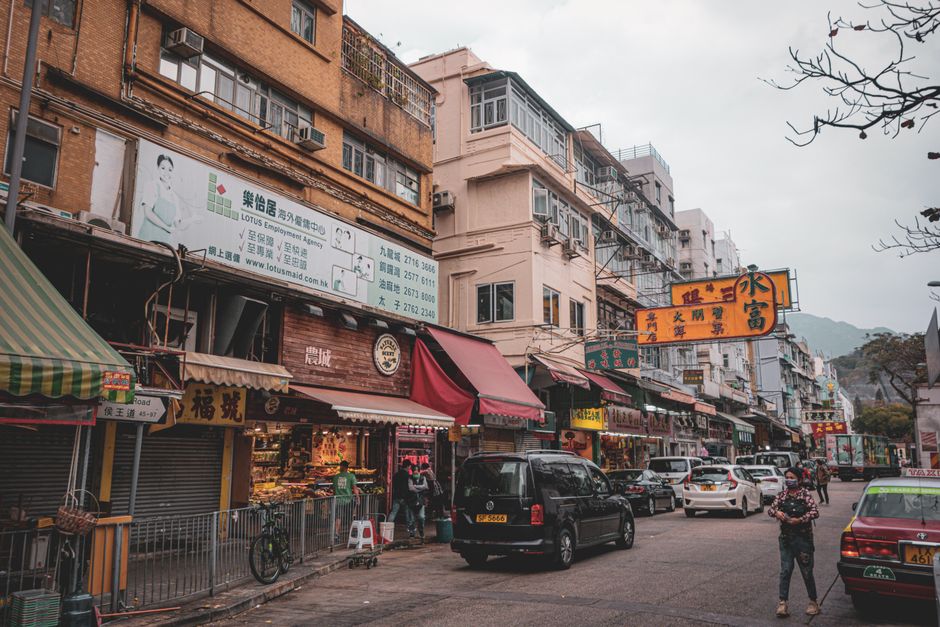
Yet not all neighbourhoods follow identical trajectories. Sham Shui Po, traditionally one of the city's poorest districts, has bucked expectations. Rather than wholesale gentrification, local social enterprise incubators have grown by 41% since 2023. The Sham Shui Po District Office recorded 156 registered community groups in 2024, compared to 89 in 2020, suggesting grassroots organising is intensifying as residents mobilise against displacement.
The Tung Chung Community Centre reported that 2,340 families participated in neighbourhood initiatives last year—a 67% increase from 2024—though data also shows that 19% of these participants were relatively recent arrivals to the district, raising questions about whether new community ties are forming.
Perhaps most strikingly, a July 2025 survey by the Hong Kong Community Development Council found that 58% of residents felt their neighbourhood had changed significantly over five years, yet only 31% had attended a district meeting in the past year. The disconnect between perceived change and civic participation may be the most revealing statistic of all—suggesting that as neighbourhoods transform, traditional community infrastructure struggles to keep pace with residents' needs.
This article was compiled by AI and screened before publishing. See our editorial standards.
Covering news in Hong Kong. This article was generated by AI from the linked sources and was not reviewed by a human editor before publishing. See our editorial standards.