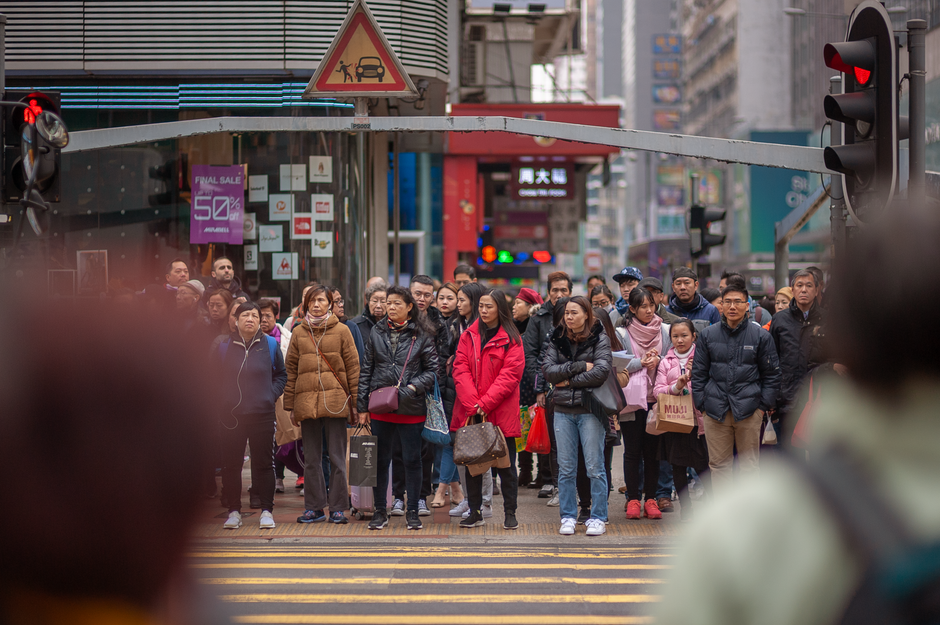
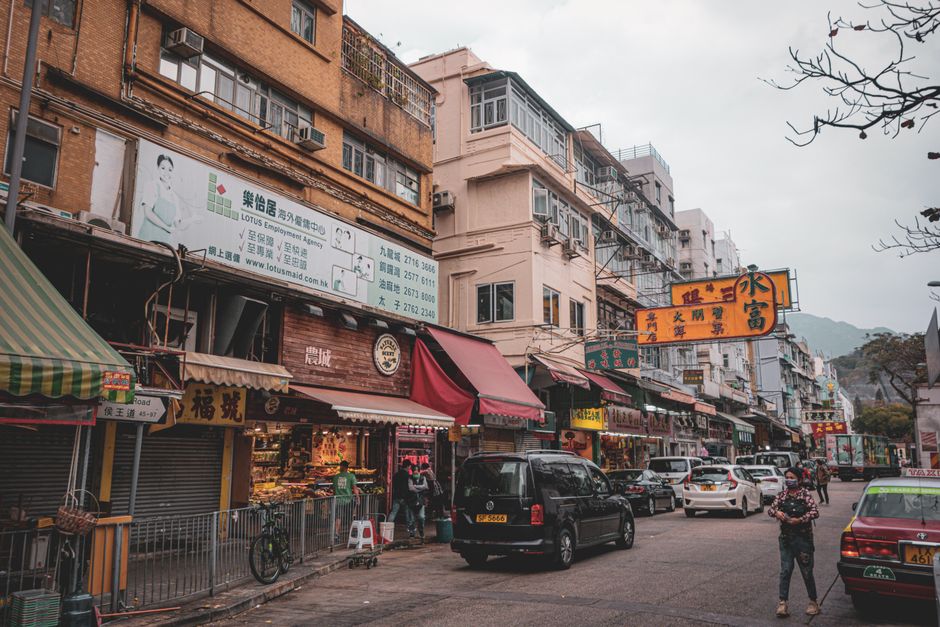
On a humid Tuesday morning in Sham Shui Po, residents gathered outside the Fuk Tsang Estate community centre to discuss what many describe as Hong Kong's recycling crisis. The conversation reflected growing frustration with the city's environmental initiatives—and determination to drive meaningful action from the ground up.
"We've been sorting our waste for years, but nothing changes," said Chan Mei-ling, a retired teacher and volunteer coordinator for the Sham Shui Po Green Community Network. "The government talks about sustainability targets, but we see plastic mountains at our local collection points. Where does it really go?"
Chan's concerns echo broader anxieties across neighbourhoods from Mong Kok to Causeway Bay. Despite Hong Kong's ambitious 2035 waste reduction targets—aiming to cut waste per capita by 40 percent—residents report persistent confusion about what actually gets recycled. Last year, the Environmental Protection Department confirmed that only 35 percent of Hong Kong's waste was recovered, with contamination rates at collection points reaching alarming levels.
The frustration has catalysed grassroots action. Groups like the Chai Wan Environmental Alliance and community networks in Kennedy Town are now independently auditing local recycling practices, publishing their own data, and meeting with district councillors to demand transparency. Some residents have begun establishing neighbourhood composting schemes in spaces like the Ap Lei Chau public garden, circumventing official channels they view as inadequate.
"Young people especially are tired of symbolic gestures," explained Wong Jacob, a 28-year-old environmental advocate who runs sustainability workshops in Wan Chai. "They want accountability. They want to see where their waste goes. They want companies held responsible, not just individual consumers guilt-tripped into compliance."
The movement reflects deeper anxieties about Hong Kong's environmental future. With landfill capacity at critical levels and air quality consistently ranking among Asia's worst, residents are increasingly vocal about what they perceive as policy inertia. Surveys suggest 72 percent of Hong Kong residents support stricter corporate environmental regulations—yet feel these concerns remain unaddressed.
Notably, many activists emphasize they aren't anti-development. Instead, they're demanding that sustainability initiatives genuinely reduce environmental harm rather than merely shifting it elsewhere. Local organisations are now proposing concrete alternatives: expanded composting infrastructure, mandatory corporate disclosure of waste practices, and investment in circular economy models.
As these community voices grow louder, authorities face mounting pressure to demonstrate that Hong Kong's environmental commitments translate into measurable change—not just press releases.
This article was compiled by AI from the sources linked above and screened before publishing. See our editorial standards.