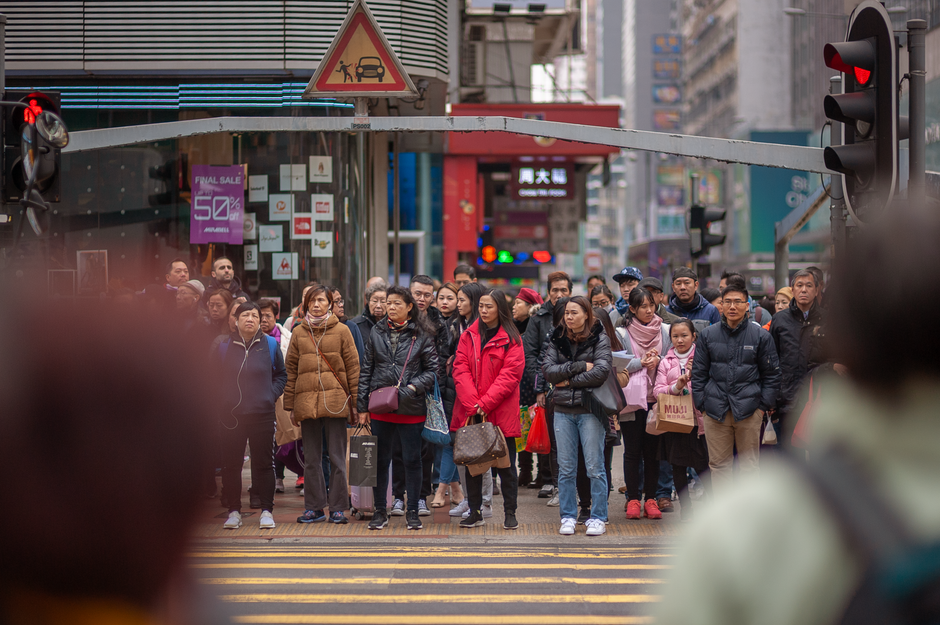
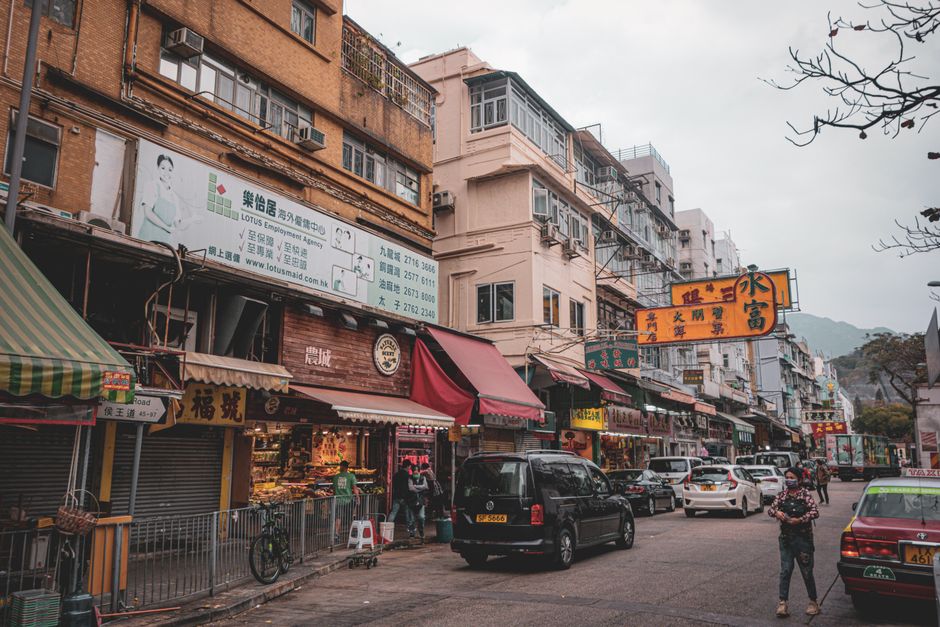
As Hong Kong's migrant population edges past 700,000—roughly 9 per cent of the total population—government officials and community leaders are intensifying calls for a more coordinated integration strategy, citing mounting pressures on affordable housing and public services across traditional migrant neighbourhoods like Mong Kok and Jordan.
The Immigration Department confirmed this month that the figure represents a 12 per cent increase since 2024, driven largely by post-pandemic arrivals from Southeast Asia, South Asia, and Eastern Europe seeking work and business opportunities. Officials at a Labour and Welfare Bureau briefing acknowledged the trend but stressed that current policy frameworks remain adequate.
However, academics and NGO representatives painted a more complex picture. Dr. Margaret Wong, director of the Centre for Asia-Pacific Social Policy at the University of Hong Kong, noted that while Hong Kong's historical role as a global entrepôt has fostered cultural pluralism, recent demographic shifts demand fresh thinking. "We're seeing clustering in specific districts—particularly around Chungking Mansions in Tsim Sha Tsui and residential areas near Ap Liu Street in Sham Shui Po—which strains local infrastructure," she said in recent remarks to the Legislative Council's Panel on Immigration.
The Hong Kong Federation of Asian Migrant Workers, operating from an office in Causeway Bay, reported a 40 per cent surge in housing enquiries over the past 18 months. Rental pressures in neighbourhoods like Mong Kok have pushed monthly rents for subdivided flats to HK$4,500–HK$6,500, exacerbating what the NGO calls a "crisis of affordability" for lower-wage migrants.
Officials from the Housing Authority have remained measured in public statements, emphasizing that public housing allocation follows established criteria and that new development projects in the New Territories will help ease demand. Yet policy experts argue that migrant-specific housing initiatives remain absent from the government's five-year development plan.
Reverend Peter Kwan, director of the Ling Oi Tong Charitable Foundation, which operates language and employment programmes across Kowloon, stressed the need for better cultural liaison services. "Integration works both ways," he remarked. "We need investment in Cantonese training, employment matching, and community engagement programmes—not just enforcement of visa conditions."
The government has signalled plans to convene an inter-departmental task force by end-year to review migration policy holistically. Officials have not committed to expanding migrant integration budgets, however, citing fiscal constraints following broader economic slowdown across the region.
This article was compiled by AI from the sources linked above and screened before publishing. See our editorial standards.