The Government's latest housing blueprint, unveiled this month, charts an ambitious course to unlock 40,000 new residential units across East Kowloon over the next decade. While policymakers frame it as essential relief for Hong Kong's perpetual housing crisis—median flat prices still hover near HK$12 million—community groups in affected neighbourhoods are sounding alarms about what may be lost in the rush to build.
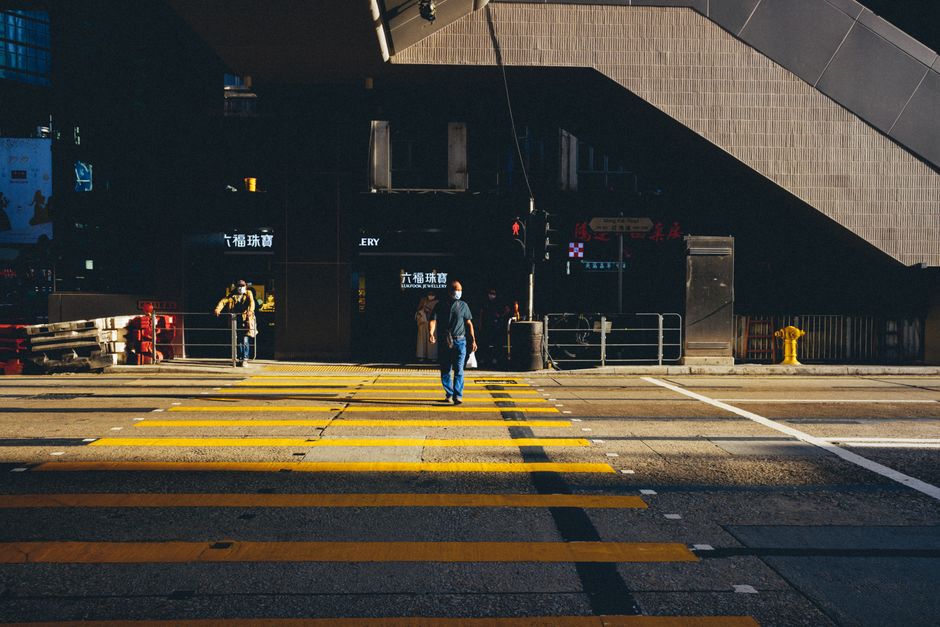
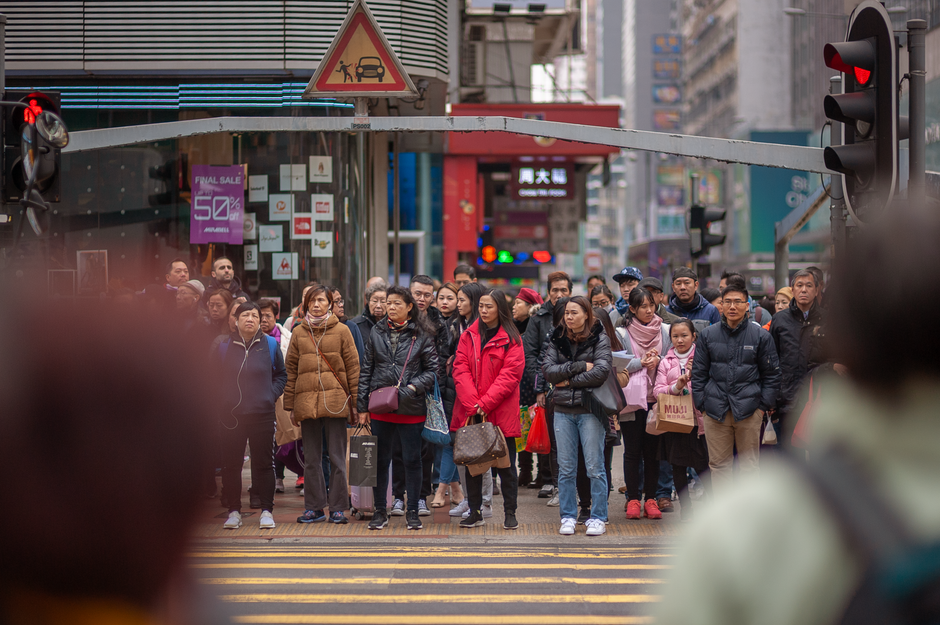
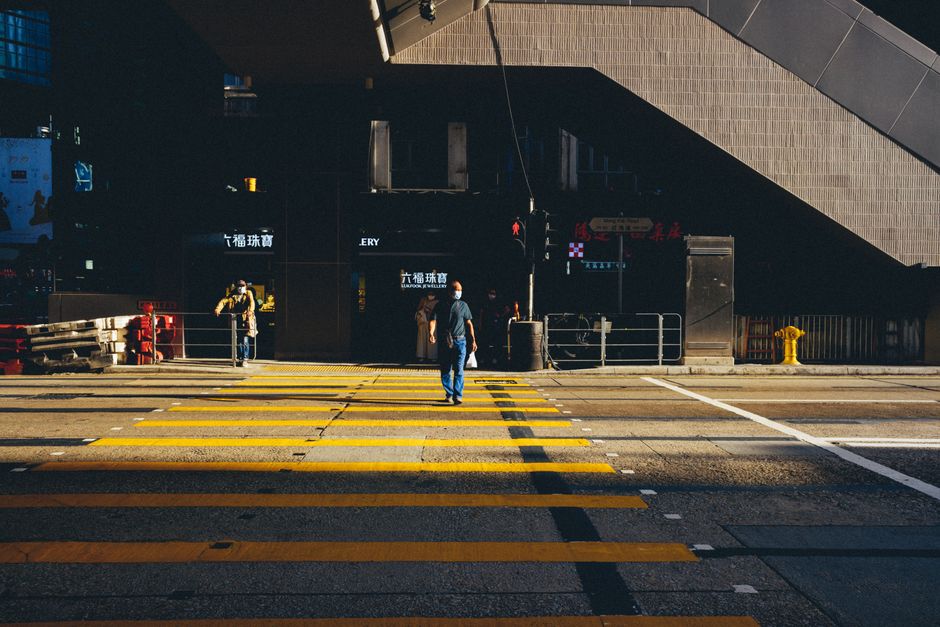
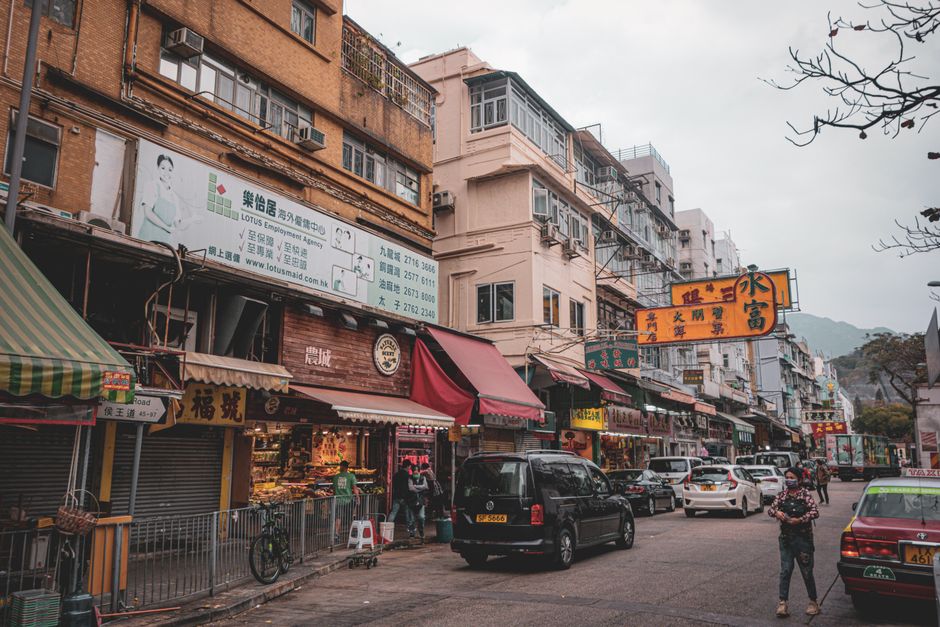
The plan centres on accelerating development near MTR stations in Lam Tin, Kwun Tong, and Kowloon Bay, areas that have served as affordable residential bastions for working-class families and small businesses since the 1980s. Kwun Tong, in particular, has evolved into a hub for creative industries and heritage food vendors—think the traditional dai pai dong restaurants clustered along Hoi Yuen Road and independent bookshops tucked into older tenement blocks.
"We're not against building homes," says a spokesperson for the Kwun Tong Community Alliance, an informal coalition of shopkeepers and residents. "But the consultation process has been rushed. We've had three weeks to review plans affecting neighbourhoods with 200,000 people."
The concern mirrors tensions seen elsewhere. When the Kai Tak Development started transforming the former airport site, long-time residents from nearby Kowloon City reported being priced out as property values doubled. A similar pattern could unfold here. Current studio flats in Kwun Tong average HK$3.5 million; preliminary estimates suggest new units will start at HK$6 million or higher, effectively putting them beyond reach for existing residents.
Urban planning scholar Dr. Wong from the University of Hong Kong observes that while housing supply desperately needs expanding, "the design and phasing matter enormously. Without targeted policies—affordable housing quotas, ground-floor community spaces, heritage preservation zones—we risk creating new buildings while erasing the social fabric that made these areas liveable."
The government's current proposal mandates 30 per cent affordable units in new developments, falling short of advocacy groups' calls for 50 per cent. Additionally, there is no explicit strategy for protecting existing street-level businesses or cultural institutions during construction phases that could last five to eight years.
As Hong Kong grapples with both a genuine housing shortage and questions about what kind of city we want to be, the Kowloon decision will be closely watched. For residents in Lam Tin and Kwun Tong, the next six months of formal consultation could determine whether their neighbourhoods evolve or vanish.
This article was compiled by AI from the sources linked above and screened before publishing. See our editorial standards.