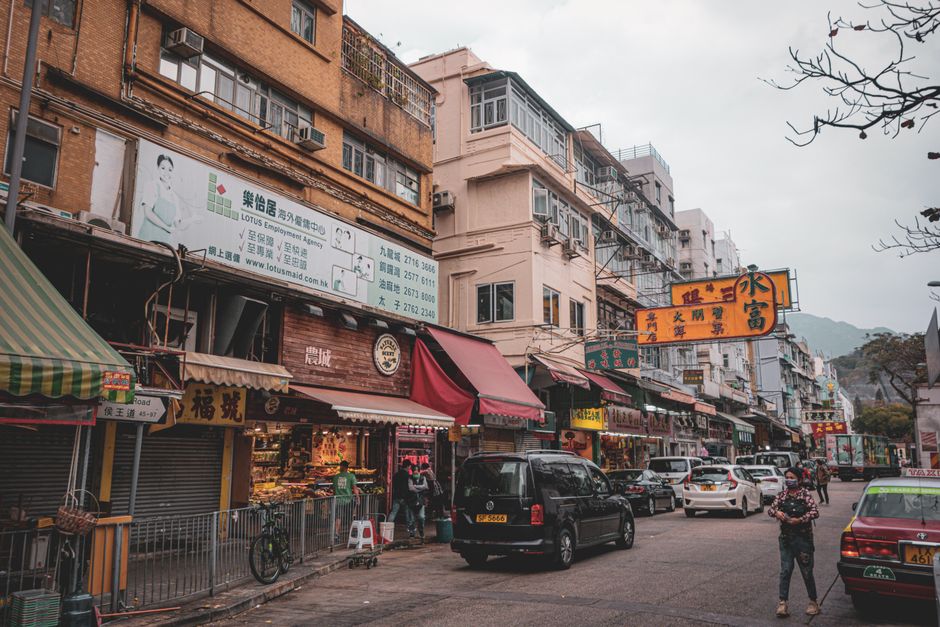
Hong Kong's environmental ambitions face a critical test as senior officials and sustainability experts sound increasingly urgent calls for action on carbon reduction, waste management, and renewable energy deployment across the densely populated territory.
At a sustainability forum held last week at the Hong Kong Convention and Exhibition Centre in Wan Chai, government representatives outlined revised targets aimed at achieving carbon neutrality by 2050. However, environmental consultants and academics attending the event expressed scepticism about the city's ability to meet interim goals, particularly regarding energy transition in a region still heavily dependent on coal-fired power imports from mainland China.
"The conversation has shifted from whether we can do this to how quickly we can actually implement change," said a spokesperson for the Environmental Protection Department during the forum. The department's revised Air Quality Health Index, updated earlier this year, revealed that winter pollution levels in districts like Mong Kok and Causeway Bay remain among Asia's worst, prompting calls for stricter vehicle emission standards.
Dr Raymond Wong, a renewable energy researcher at a major local university, highlighted the slow uptake of solar installations across Hong Kong's urban landscape. "We have sufficient rooftop space on buildings from Central to Kowloon Tong, yet penetration remains below 2 per cent," he noted in recent public remarks. The city's Building Department has faced criticism for lengthy approval processes that discourage installation projects.
Waste management emerges as another critical battleground. The Environmental Protection Department confirmed that Hong Kong generates approximately 4,000 tonnes of municipal waste daily—among the world's highest per capita rates. Extended Producer Responsibility schemes, promoted by the Environmental Bureau, have gained traction with retailers across Causeway Bay and Tsim Sha Tsui, though implementation remains inconsistent.
Transport electrification has also drawn scrutiny. While the Transport Department has committed to phasing out diesel franchised buses by 2035, transit experts argue the timeline is insufficient. Current electric bus fleets, concentrated along routes in Central and Admiralty, represent only 10 per cent of the total fleet.
Heritage preservation advocates have further complicated the sustainability narrative, questioning whether rapid green infrastructure development in neighbourhoods like Sheung Wan adequately protects the city's historic character.
Officials acknowledge these challenges but emphasise collaboration. "Achieving these goals requires unprecedented cooperation between government, business, and citizens," a government environmental official stated, pointing to pilot programmes in districts like Wan Chai as models for scaling successful initiatives.
As Hong Kong positions itself as a leader in Asian sustainability, the gap between official targets and measurable progress remains the central conversation driving the city's environmental future.
This article was compiled by AI from the sources linked above and screened before publishing. See our editorial standards.