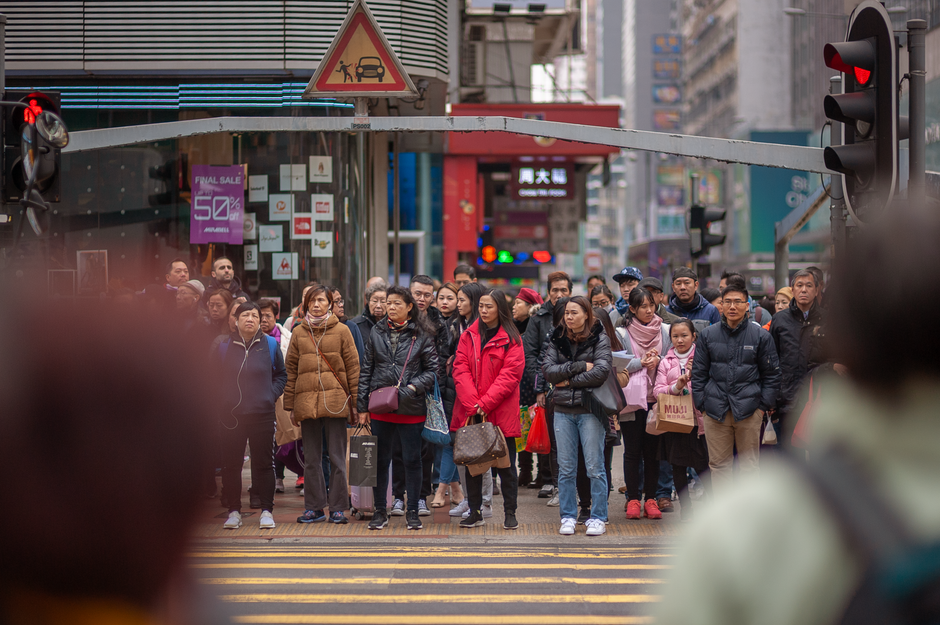
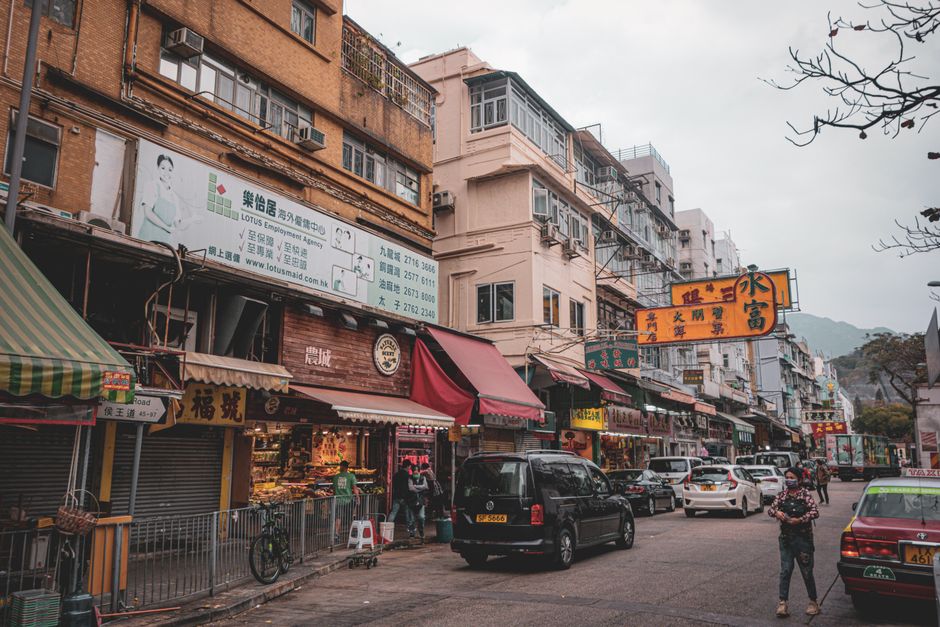
Walking through the narrow lanes of Kwun Tong on a humid June afternoon, the disconnect between Hong Kong's sustainability ambitions and street-level reality becomes starkly apparent. Coloured recycling bins line the pavements near Kwun Tong Promenade, yet residents say the city's push to reduce waste remains largely performative.
"We separate our rubbish carefully—paper, plastic, metal—but honestly, I don't know if it actually gets recycled," says a shop owner near Tung Chung Street, who asked not to be named. This sentiment echoes across districts. Hong Kong's waste per capita stands at approximately 1.34 kilograms daily, among Asia's highest, despite government pledges to cut this by 40 per cent by 2035.
The Environmental Protection Department's Extended Producer Responsibility scheme, launched two years ago, was intended to shift responsibility away from households and municipalities. Yet residents in Sham Shui Po report confusion about compliance. "Small shops don't always participate properly," explains a volunteer with Green Earth, a local conservation group. "Without enforcement teeth, these schemes become suggestions rather than mandates."
The Central and Western District's ambitious organic waste composting programme, piloted in 2024, garnered initial enthusiasm. Community centres in Sheung Wan and Des Voeux Road have seen modest participation, but uptake plateaued around 35 per cent of eligible households. Cost remains a barrier—participating residents must absorb expenses for compost collection services.
Harbour pollution presents another urgent concern for waterfront communities. Residents near Victoria Harbour report increasing frustration with single-use plastic enforcement. "Restaurants still hand out plastic bags without asking," observes a long-time local from Causeway Bay. "The five-cent levy exists on paper, but implementation is patchy."
Yet pockets of genuine momentum exist. The Circular Economy Summit held at Hong Kong Convention and Exhibition Centre last month drew over 3,000 attendees, signalling growing business interest. Local startups addressing packaging waste and textile recycling have secured backing, though scaling remains challenging in a city where space is precious.
What residents consistently demand is transparency and accountability. Community stakeholders want clear metrics: where does recycled material actually go? How much genuinely reaches processing facilities versus landfills? Without these answers, even well-intentioned residents grow cynical about participation.
As Hong Kong positions itself as a sustainable Asian hub, the gap between policy and practice threatens credibility. Real progress, residents insist, requires listening to frontline voices—not just broadcasting targets from government offices.
This article was compiled by AI and screened before publishing. See our editorial standards.