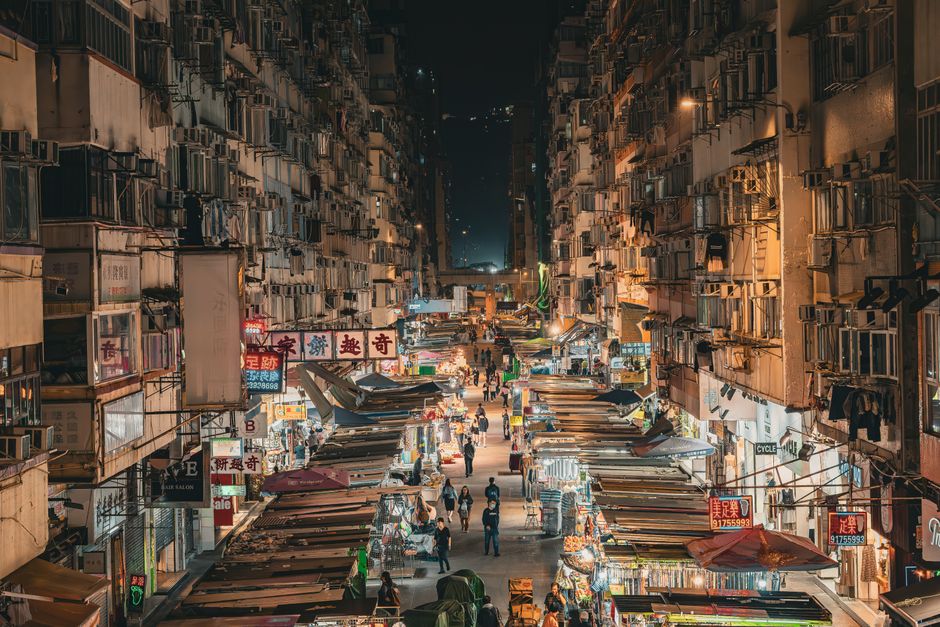
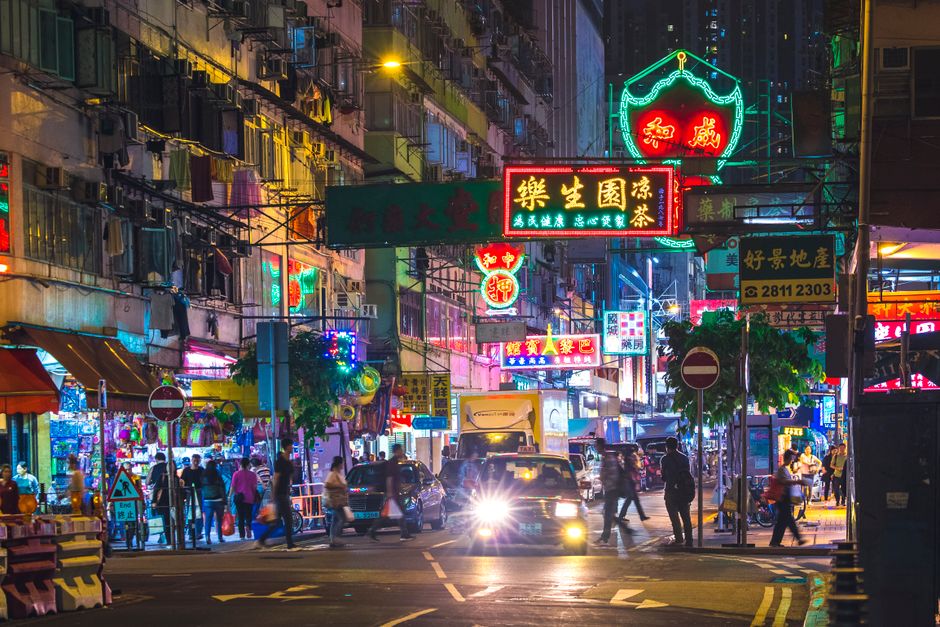
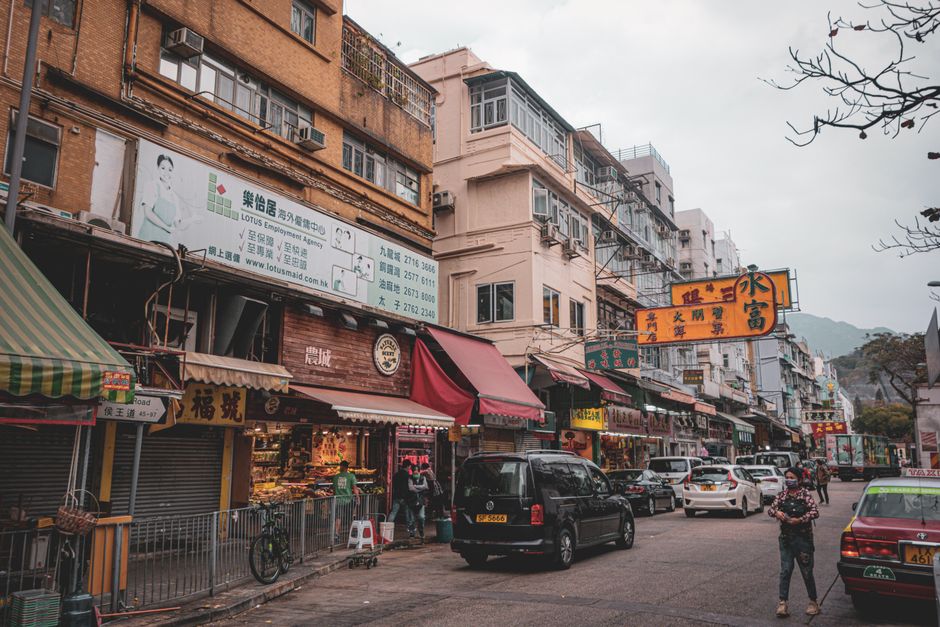
Every evening, the narrow lanes around Argyle Street in Sham Shui Po once thrummed with energy. Vendors hawked vintage watches, fortune tellers read palms under neon signs, and families meandered through stalls selling everything from bootleg DVDs to handmade jewellery. But over the past three years, foot traffic has dropped by an estimated 40 per cent, according to local business association surveys, as younger residents gravitate toward air-conditioned malls and online shopping.
What's happening in Sham Shui Po, however, tells a different story—one of community resilience. When the Sham Shui Po District Council commissioned research into neighbourhood vitality last year, they found that residents didn't want the night market dismantled; they wanted it reimagined. The result: a collaborative effort between the District Office, local NGOs, and shop owners to transform underutilised corners of the market into pop-up cultural spaces.
"We're seeing residents aged 20 to 40 returning because they now see the market as more than just commerce," explains Sammy Wong, coordinator at the Sham Shui Po Community Centre, which has partnered with market operators. "They come for vintage flea markets, live indie music sessions, and art installations—things that create meaning beyond transaction."
This matters profoundly for Hong Kong's urban fabric. The city's night markets—Temple Street, Ladies' Market, the stalls along Reclamation Street—are disappearing. Rent rises, property redevelopment, and changing consumer habits have squeezed profit margins for vendors whose average monthly income has fallen from HK$25,000 to HK$15,000 over a decade. Without intervention, these spaces risk becoming purely tourist attractions or vanishing entirely.
But Sham Shui Po's experiment suggests another path. By partnering with the community and treating night markets as cultural anchors rather than purely economic zones, neighbourhoods can sustain both livelihoods and social cohesion. The District Council has allocated HK$1.2 million toward improving street lighting, sanitation, and curating monthly themed events.
For residents, the stakes are personal. These markets are where elderly neighbours negotiate prices, where teenagers discover local culture, where affordable recreation persists in a city where a coffee costs HK$40 and cinema tickets exceed HK$100. They're where community happens organically.
As Hong Kong grapples with rising costs and changing demographics, Sham Shui Po's effort to preserve and adapt its night market offers a blueprint: listen to what residents actually value, invest thoughtfully, and recognise that neighbourhoods survive not when they're frozen in time, but when they evolve with their communities.
This article was compiled by AI from the sources linked above and screened before publishing. See our editorial standards.