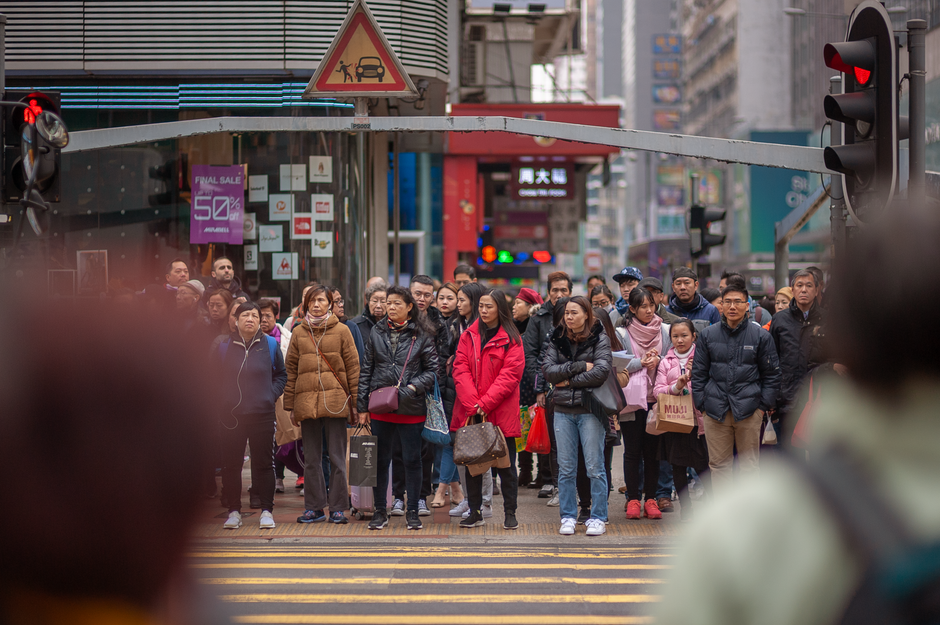
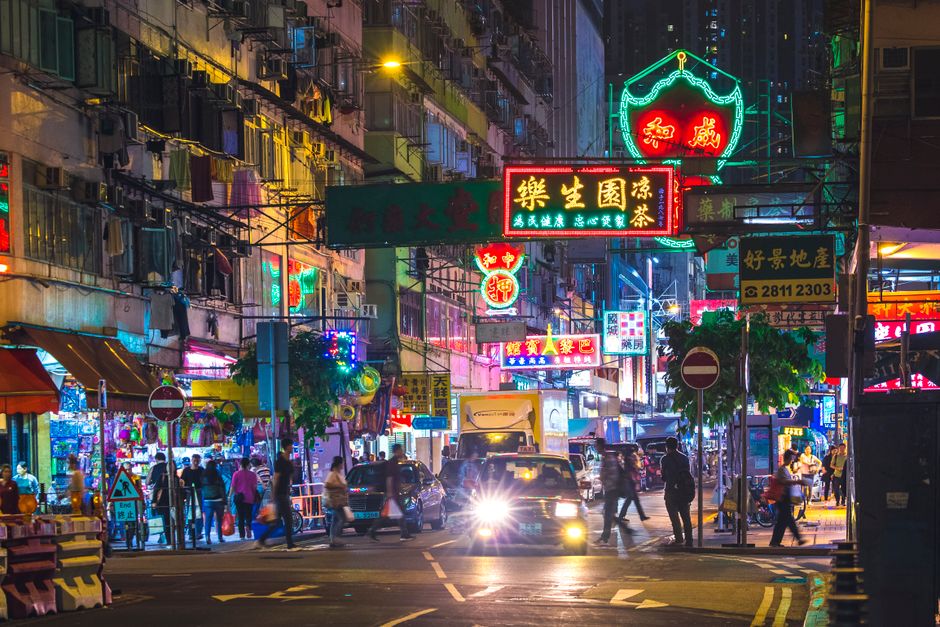
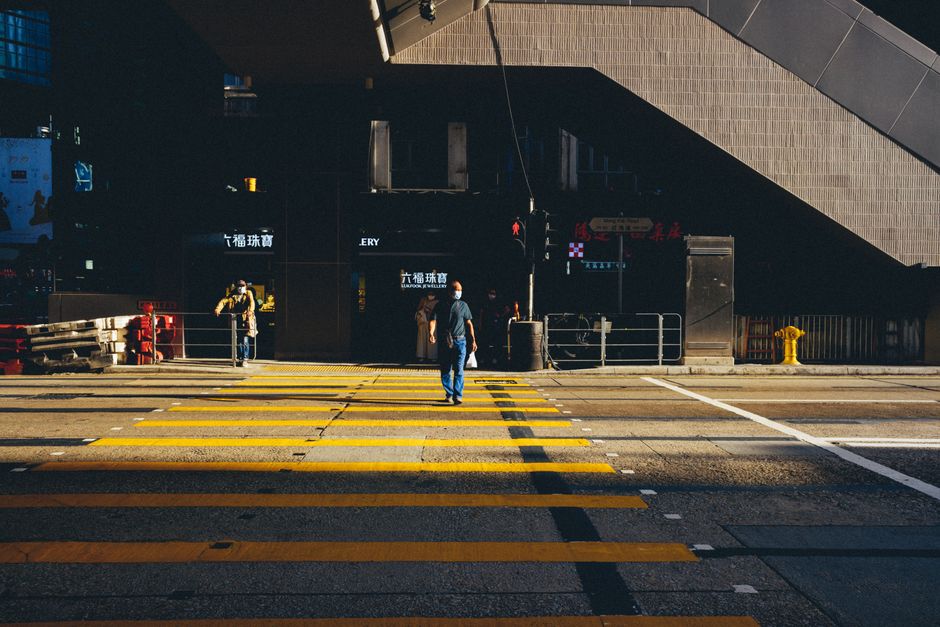
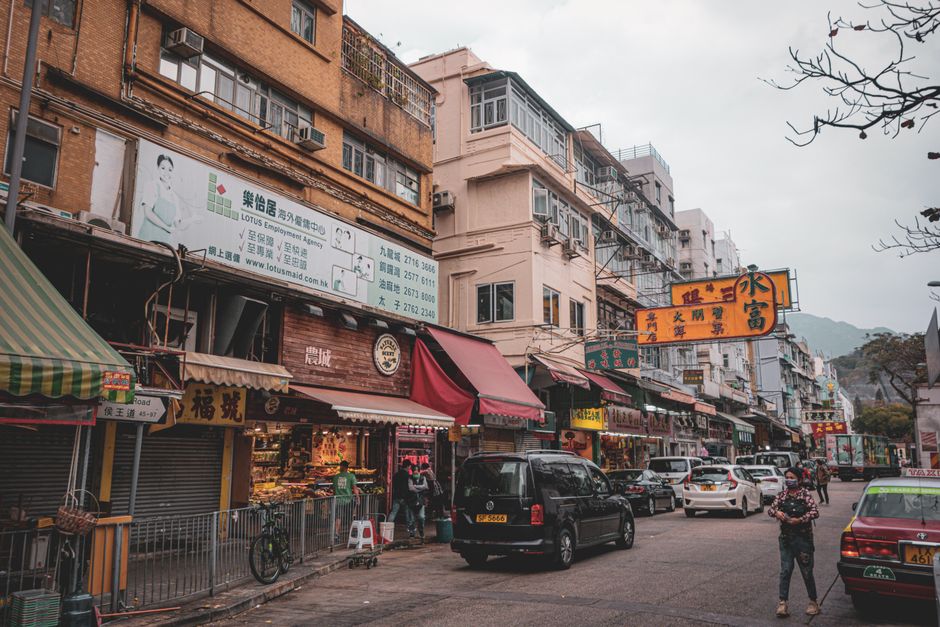
For commuters crawling through Wan Chai during rush hour, relief may finally be in sight. Hong Kong's latest infrastructure blitz—anchored by upgrades to critical transport arteries—promises to reshape how millions of residents navigate the city's already strained networks.
The Central-Wan Chai bypass, now in its final phases, represents the most visible transformation. Once complete later this year, the 2.3-kilometre tunnel should cut travel time from Central to Causeway Bay by up to 15 minutes during peak hours. For office workers in Admiralty and retail staff across Causeway Bay, this isn't just convenience—it's economic relief. Commute savings of 45 minutes daily add up to roughly 150 hours annually per worker, translating to tangible quality-of-life improvements for the estimated 400,000 daily users.
But infrastructure investment extends beyond road tunnels. The MTR's expansion into underserved neighbourhoods like Tung Chung is already showing impact. Property agents report rental prices in newly accessible areas rising by 8-12 percent within months of line completion. For young families and lower-income households, this double-edged reality—improved connectivity coupled with rising costs—shapes where they can afford to live.
The looming challenge is construction-phase disruption. Causeway Bay residents have endured three years of lane closures and traffic congestion. Local businesses report 15-20 percent dips in foot traffic during major works. Shopkeepers along Hennessy Road have become accustomed to apologising to customers about access difficulties—a burden that disproportionately affects independent retailers who lack corporate reserves to weather prolonged slowdowns.
Data from the Transport Department reveals construction-related delays cost the economy an estimated HK$2.8 billion annually in lost productivity. Yet planners argue this is temporary pain for long-term gain. The proposed Northern Link MTR extension, set to connect Fanling with Sheung Shui, will serve 150,000 residents in the North and reduce congestion at existing border crossings by an estimated 20 percent.
The human variable often gets overlooked in feasibility studies. Elderly residents in Mong Kok, many relying on taxis or light rail, face months of rerouted transport schedules. Schools near construction zones report respiratory complaints during tunnelling operations. The Environmental Protection Department has mandated dust suppression, but enforcement varies.
For Hong Kong to absorb another 1.3 million residents by 2040, transport infrastructure must evolve. The question residents are asking isn't whether these projects are necessary—it's whether the decade of disruption justifies the promise. Early data suggests yes, but only if planners accelerate timelines and better shield vulnerable communities during construction phases.
This article was compiled by AI from the sources linked above and screened before publishing. See our editorial standards.