News
Green Racing: How Hong Kong's Sustainability Push Stacks Up Against Global Peers
As major cities worldwide accelerate climate action, Hong Kong is catching up—but experts say the pace remains slower than Singapore and Seoul.
3 min read
News
As major cities worldwide accelerate climate action, Hong Kong is catching up—but experts say the pace remains slower than Singapore and Seoul.
3 min read
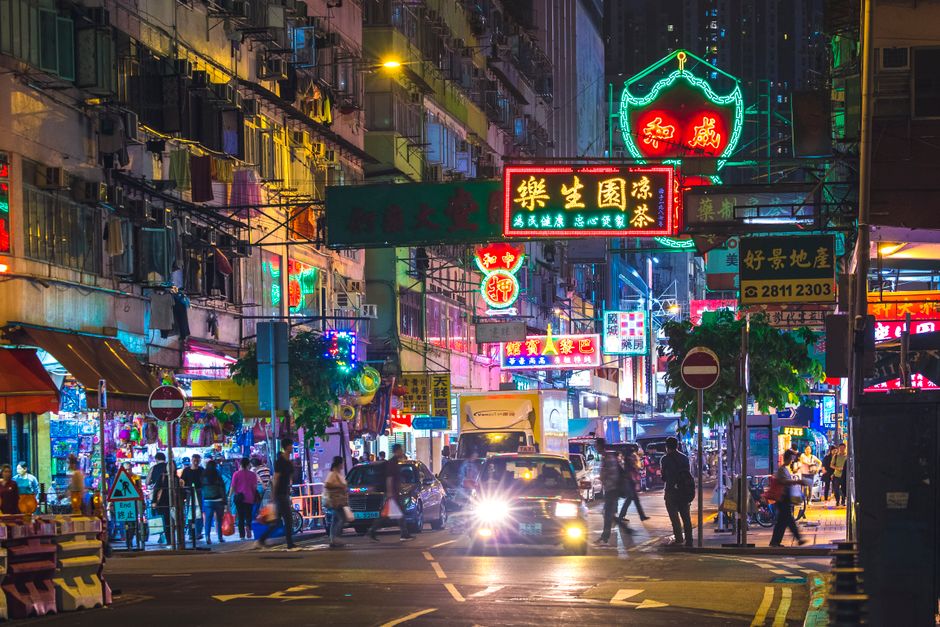
Hong Kong's sustainability journey has shifted into higher gear this year, with the government pledging HK$24 billion towards carbon neutrality by 2050 and launching ambitious waste-reduction targets across the Kowloon and New Territories. Yet when placed alongside comparable Asian financial hubs, the city's environmental credentials reveal a mixed picture of progress and persistent gaps.
The contrast is sharpest with Singapore, where the Urban Redevelopment Authority has mandated green building standards across 80% of new developments since 2019. Hong Kong's Building Environmental Index scheme, introduced more recently, currently certifies only around 35% of commercial properties. In Central and Sheung Wan, where office towers dominate the skyline, many still operate with energy efficiency ratings that lag behind Singapore's Changi Business Park and Marina Bay precinct.
On public transport, Hong Kong's MTR system remains world-class—carrying 5.7 million passengers daily—yet Seoul's integrated T-money card system and real-time emissions tracking for bus routes have set a higher benchmark. The MTR's recent trial of regenerative braking on the Island Line mirrors Seoul's technology, but rollout across all lines remains years away.
Waste management tells a starker story. While the government aims to reduce landfill usage by 30% by 2035, Hong Kong still sends roughly 1.3 million tonnes annually to its three landfills in Tseung Kwan O, Sha Tin, and Nam Sang Wai—rates comparable to much larger cities. Copenhagen, by contrast, has achieved near-zero landfill status through aggressive recycling and incineration-for-energy programmes that Hong Kong has yet to fully replicate.
The private sector offers glimpses of ambition. Swire Properties' plans to redevelop Taikoo Place in Quarry Bay include district cooling systems and rooftop gardens targeting carbon neutrality by 2030. Similar corporate commitments in Tokyo's Marunouchi district and Shanghai's Pudong have, however, progressed faster due to stronger regulatory mandates.
Hong Kong's coastal position presents unique climate vulnerabilities—sea-level rise threatens Victoria Harbour and the New Territories—which should theoretically accelerate action. Yet funding for resilience infrastructure remains modest compared to Rotterdam's multibillion-dollar delta defence scheme or Bangkok's comprehensive flood management overhaul.
The city's renewable energy adoption stands at just 2% of total supply, far below Denmark's 83% wind power penetration or Costa Rica's consistent 98% clean energy months. Hong Kong's offshore wind farm projects, mooted for years, remain in preliminary phases while competitors have already installed operational capacity.
Local activists and environmental groups argue that Hong Kong's ambitions need teeth. The Environmental Bureau's revised Climate Action Plan, unveiled this quarter, signals intent—yet enforcement mechanisms and investment timelines remain vaguer than those adopted by peers.
For Asia's World City, catching up means moving faster than rhetoric alone permits.
This article was compiled by AI from the sources linked above and screened before publishing. See our editorial standards.
About this article
Published by The Daily Hong Kong
Spread the word
Daily brief
Free, in your inbox before 7am. Weekdays.
Before you go
The day's Hong Kong news in a 2-minute read. Free, weekday mornings.