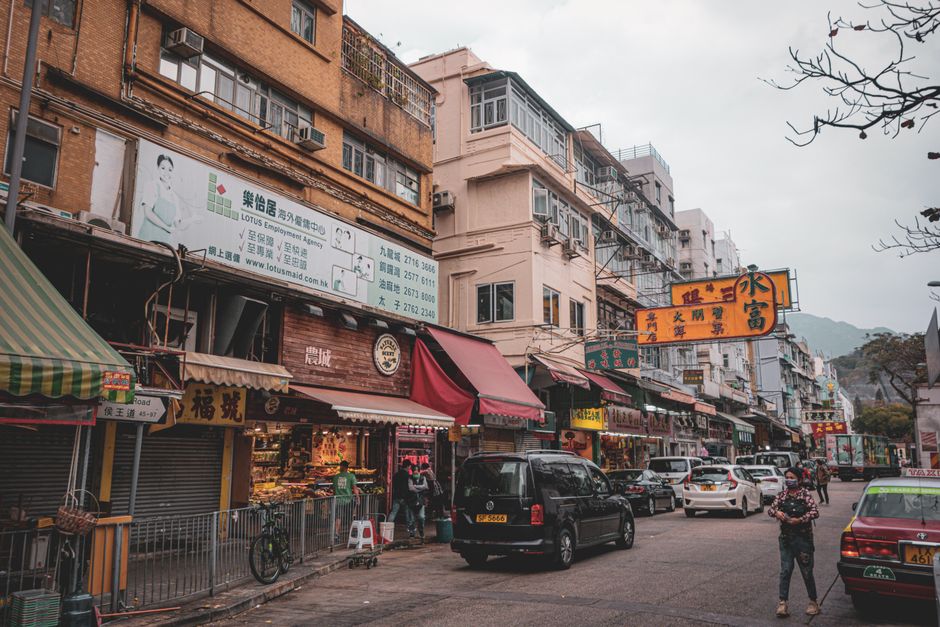
On a humid Tuesday morning, fishmonger Lau Ming-chuen arranges live grouper across his stall at Fa Yuen Street Market, fully aware that decisions made in the coming months could reshape this 40-year-old institution entirely. The market's 15-year lease expires in September 2027, and preliminary discussions with the landlord have already begun—conversations that will determine whether this beloved Mong Kok fixture survives or surrenders to redevelopment.
"The landlord has been silent mostly," Lau said, reflecting a tension now gripping the market's roughly 80 vendors and the thousands of neighbourhood residents who depend on it. "We need clarity soon, but we're not optimistic."
The pressure is mounting from multiple directions. Rental costs in Mong Kok have surged 35% over the past five years, according to Knight Frank's latest Hong Kong commercial property report. Meanwhile, competition from supermarket chains and online grocery delivery services has steadily eroded customer traffic. The market's revenue per stall has dropped an estimated 18% since 2023, forcing several vendors to reduce operating hours or supplement income elsewhere.
Yet community advocates argue the market's true value transcends balance sheets. It serves elderly residents in neighbouring public housing estates—particularly those in Sung Wong Toi Estate just across the street—many of whom lack digital literacy for online shopping. It provides affordable vegetables and fresh fish at prices typically 20-30% lower than major supermarkets. It functions as a social hub where residents reconnect daily.
The coming months present three realistic scenarios. The landlord could demand significantly higher rent, pricing out existing vendors and fundamentally changing the market's character. A collective vendor buyout—discussed quietly among some stall operators—would require raising approximately HK$8-12 million, a near-impossible figure for individual traders. Or the community could organize formally, approaching the District Council and relevant government bodies to explore heritage designation or rent stabilization policies.
Wong Tai Sin District Councillor Emily Chen acknowledges the urgency. "These spaces are disappearing faster than we can document them," she noted, referring to the nine neighbourhood markets that have closed across Hong Kong since 2020.
Lau and his fellow vendors must soon decide: organize collectively, accept whatever terms emerge, or quietly prepare exit strategies. The deadline isn't negotiable. By September 2027, Fa Yuen Street Market's future will be settled—one way or another.
This article was compiled by AI from the sources linked above and screened before publishing. See our editorial standards.