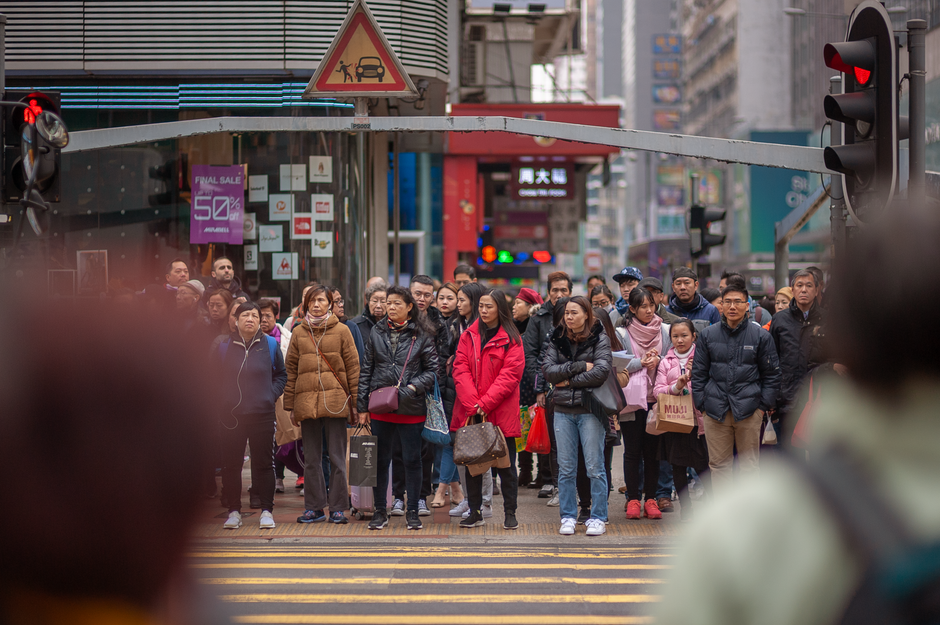
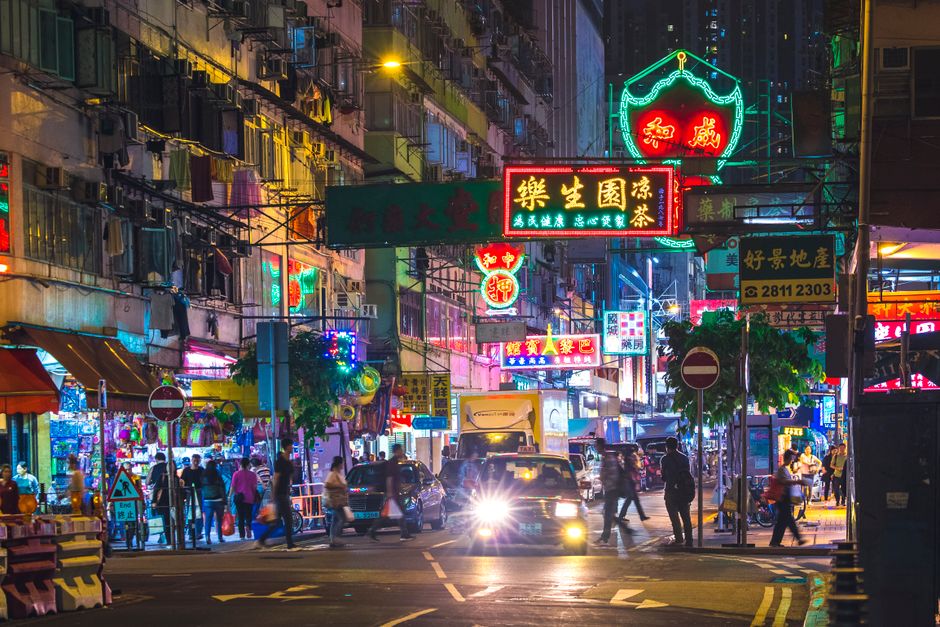
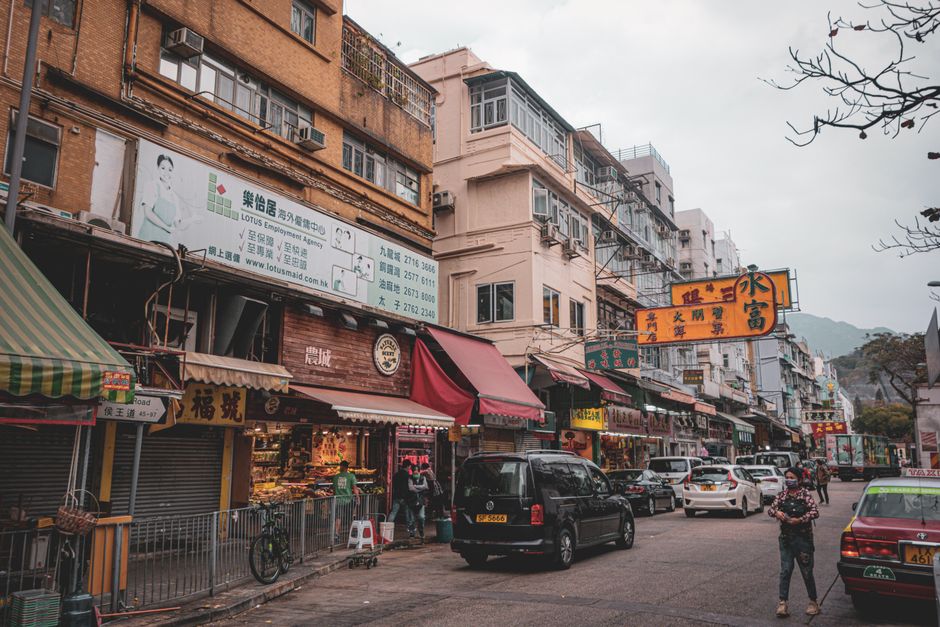
Hong Kong's migrant population has surged to an estimated 640,000 residents—roughly 8.5 per cent of the total—yet the city's infrastructure for integration remains fragmented compared to peer cities worldwide, according to migration policy analysts tracking the trend.
The contrast is stark when examining practical touchpoints. While Toronto's Settlement.org provides multilingual navigation for newcomers across employment, housing, and legal services, Hong Kong's offerings are scattered across government departments, NGOs, and private providers with limited coordination. The Labour Department's Employment Support Centre operates from only three locations, compared to Toronto's network of 34 settlement agencies serving roughly similar migration volumes.
The economic stakes are high. Domestic helpers—predominantly from the Philippines and Indonesia—remit over HK$40 billion annually while facing wage caps that haven't risen in a decade. In contrast, Singapore's targeted points-based immigration system actively recruits skilled migrants at salary tiers designed to prevent undercutting. Meanwhile, European cities like Amsterdam have developed employer partnerships that ensure wage parity across sectors.
On the ground, Chungking Mansions in Mong Kok remains Hong Kong's de facto migrant hub—a 17-storey vertical village housing thousands of South Asian, African, and Southeast Asian residents. Local community centres like those operated by International Social Service (ISS) provide essential support, yet funding constraints limit their reach. By comparison, Sydney's Settlement Services International operates with greater government backing and clearer integration pathways.
Language barriers persist. While the Housing Authority offers Cantonese classes in public estates, the curriculum lacks vocational depth. Canadian cities have embedded language training into employment pathways, enabling faster labour market entry. Here, migrants typically pay private providers HK$150-300 per hour for practical Cantonese instruction.
Cultural space tells another story. Beyond the Filipino-dominated Statue Square gatherings on Sundays, permanent multicultural venues remain limited. Toronto's Kensington Market and Singapore's Kampong Glam represent institutionalised cultural quarters; Hong Kong's informal street-level diversity lacks such anchors.
Recent policy shifts suggest movement. The 2026 Hong Kong Integration Fund allocated HK$50 million for community programmes, though critics note this trails equivalent investments in peer cities by a factor of three. Officials insist localised, organic integration suits Hong Kong better than top-down models, yet migrants themselves increasingly report isolation, particularly outside urban core areas.
As Venezuela, Pakistan, and Congo face humanitarian crises sending waves of displaced persons towards stable hubs, Hong Kong's ability to absorb and integrate newcomers will determine whether it remains Asia's most open global city—or risks losing that distinction.
This article was compiled by AI from the sources linked above and screened before publishing. See our editorial standards.