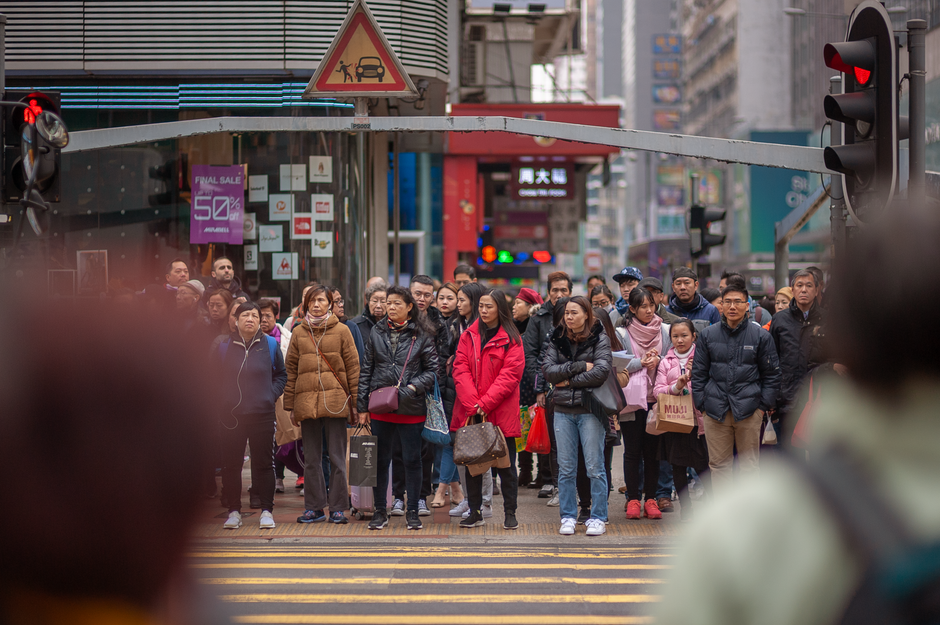
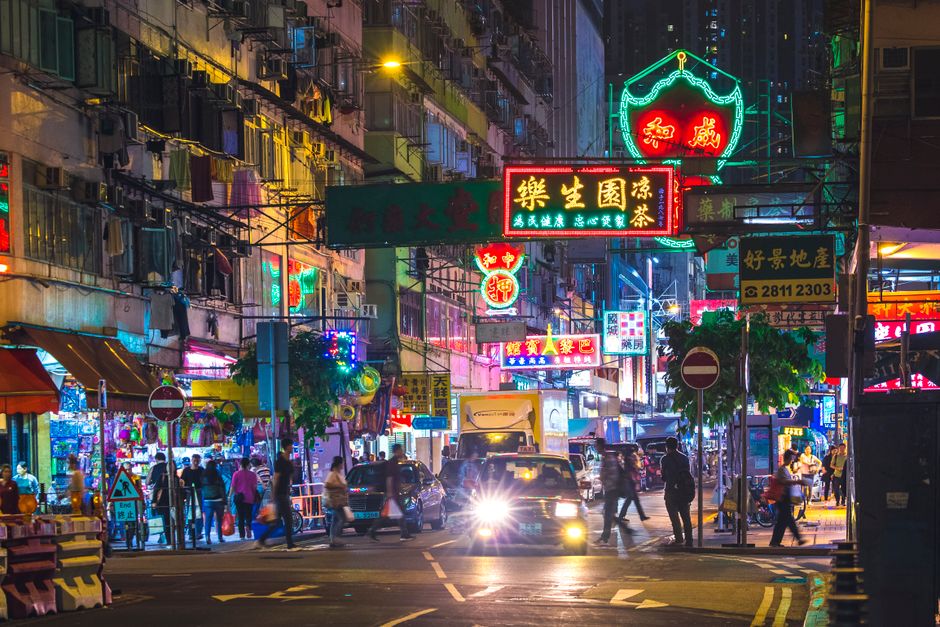
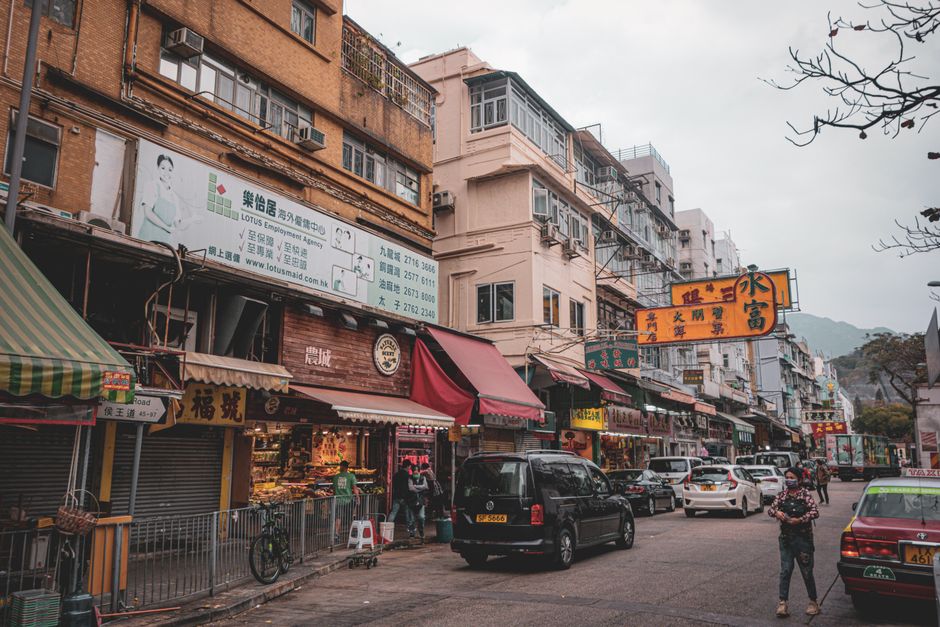
Walking through the subdivided flats of Mong Kok and Sham Shui Po today, it's easy to forget that Hong Kong's housing catastrophe wasn't inevitable. The trajectory that led to families of four sharing 150-square-foot units was shaped by a series of policy choices, economic shifts, and missed opportunities dating back more than two decades.
The turning point came after the Asian financial crisis of 1997-98, when property prices plummeted and the government under Chief Executive Tung Chee-hwa suspended public housing construction to allow the private market to recover. What was meant as temporary stimulus became structural policy. While prices eventually rebounded—far exceeding pre-crisis levels—the public housing pipeline never recovered proportionally. The wait time for public housing applications has since climbed from around five years in the early 2000s to over six years today.
By the mid-2010s, median flat prices in Central had reached HK$180,000 per square foot. Young professionals earning HK$30,000 monthly watched homeownership recede into impossibility. The government's response—introducing stamp duty hikes, foreign buyer taxes, and developer controls—managed demand without addressing supply. Meanwhile, public housing production stalled at around 20,000 units annually, a fraction of what analysts suggested was needed.
The New Territories represented the last frontier. The North District and Tuen Mun retained cheaper land banks, yet development proceeded fitfully. Discussions about reclamation projects near Lantau and new towns in the border areas dragged on without decisive action. Community concerns, environmental studies, and political hesitation created perpetual delays.
By 2020, subdivision units—illegal conversions of residential spaces into smaller compartments—had become a shadow housing market serving tens of thousands. Across Sham Shui Po's aging tenements and the backstreets of Causeway Bay, landlords maximised returns from 20-year-old buildings by partitioning them into cubicle-like rooms. The government acknowledged the problem but offered no coherent intervention strategy beyond rhetoric about transitional housing.
The pandemic accelerated existing trends. Remote work meant some residents decamped to cheaper cities, yet new arrivals and young families still sought entry into the market at any price. Average rents in Mong Kok and Sham Shui Po surged by 15-20 percent between 2022 and 2024.
Today's housing crisis is the accumulated result: three decades of market-first ideology, delayed public housing construction, restricted land supply, and policy paralysis. Understanding this history matters because it clarifies that today's bottleneck wasn't caused by sudden population shocks or natural scarcity alone—it reflects choices made when intervention was still possible.
This article was compiled by AI from the sources linked above and screened before publishing. See our editorial standards.