News
Housing Crisis Deepens as Officials and Experts Clash Over Path Forward
Senior government figures and urban planners offer starkly different visions for solving Hong Kong's persistent shortage of affordable homes.
3 min read
News
Senior government figures and urban planners offer starkly different visions for solving Hong Kong's persistent shortage of affordable homes.
3 min read
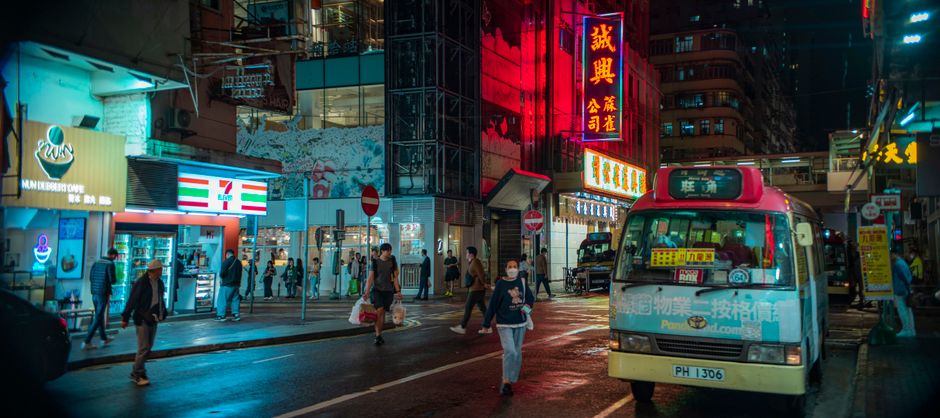
Hong Kong's chronic housing shortage has reignited fierce debate among policymakers and experts this week, with senior officials defending the government's development roadmap while independent analysts warn that current plans fall far short of addressing the city's urgent affordability crisis.
The Development Bureau presented its latest district planning proposals at a public forum in Wan Chai on Monday, emphasizing renewed focus on brownfield sites in the New Territories and intensified development along the MTR corridors in areas including Tung Chung and Yuen Long. Officials stressed that these initiatives would unlock an estimated 340,000 housing units over the next 15 years, with roughly 70 per cent designated as public housing.
However, housing advocates from organisations including the Hong Kong Institute of Urban Design and the Centre for Housing Policy at University of Hong Kong have expressed skepticism. They point out that at current construction rates, the projected timeline would leave hundreds of thousands still waiting for public flats. The median waiting time for public housing currently stands at 5.3 years, with prices in the private sector around HK$1.2 million per square metre in core districts like Central and Mid-Levels.
"The maths simply doesn't work," said analysts reviewing the proposals. They argue that the government's reliance on private developers to deliver mixed-income projects has yielded insufficient affordable units, and that more aggressive land resumption and conversion of underutilised sites—such as those along the Waterfront Promenade in Kowloon or dormant industrial zones in Chai Wan—could accelerate progress.
The Transport and Housing Bureau countered that ambitious timelines must be balanced against construction capacity, labour constraints, and environmental assessments. Officials noted that recent projects in areas like Kai Tak and the Lantau Tomorrow Vision framework demonstrate government commitment, though completion remains years away.
Urban planning experts have highlighted a secondary concern: that focusing solely on quantity ignores spatial inequality. Proposals to increase density in outlying areas like Fanling and Sheung Shui could exacerbate commute times for residents, they argue, while central locations remain inaccessible to ordinary families.
The debate arrives as private sector pressure mounts. Major developers have signalled reluctance to participate in government partnership schemes without guaranteed returns, creating a standoff that leaves policy direction uncertain. Next month's Legislative Council review is expected to revisit these fault lines, with officials, planners, and advocates preparing competing submissions on how to rebalance Hong Kong's deeply fractured housing market.
This article was compiled by AI from the sources linked above and screened before publishing. See our editorial standards.
About this article
Published by The Daily Hong Kong
Spread the word
Daily brief
Free, in your inbox before 7am. Weekdays.
Before you go
The day's Hong Kong news in a 2-minute read. Free, weekday mornings.