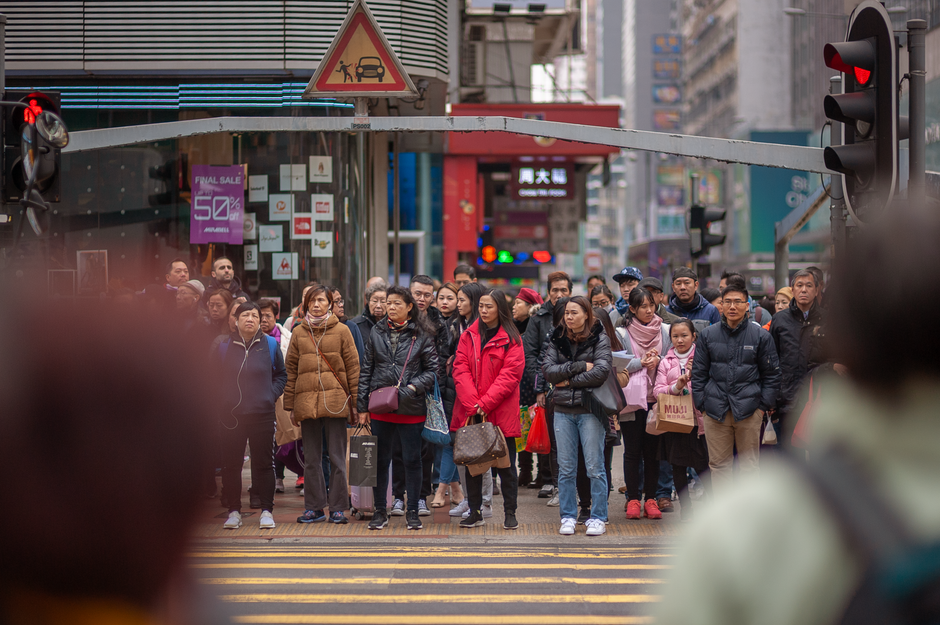
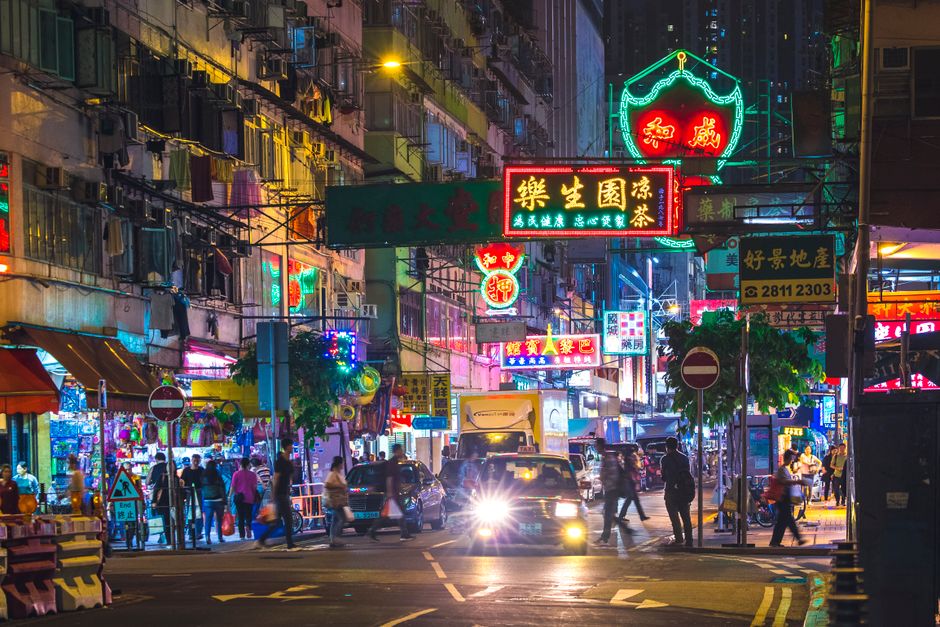
Hong Kong's Central district hums with the languages of the world—Tagalog, Indonesian, English, Mandarin—yet the city's approach to managing its multicultural fabric differs markedly from peer cities like Singapore, Dubai, and London, revealing a complex picture of opportunity and institutional lag.
The numbers tell part of the story. Hong Kong hosts roughly 630,000 foreign residents, representing about 8.4 per cent of the population. On paper, this mirrors Singapore's foreign worker demographic. Yet the structural support differs significantly. While Singapore has invested heavily in dedicated integration programmes and housing policies for migrant workers, Hong Kong's approach remains fragmented, with charities like the International Social Service filling gaps that government resources have left open.
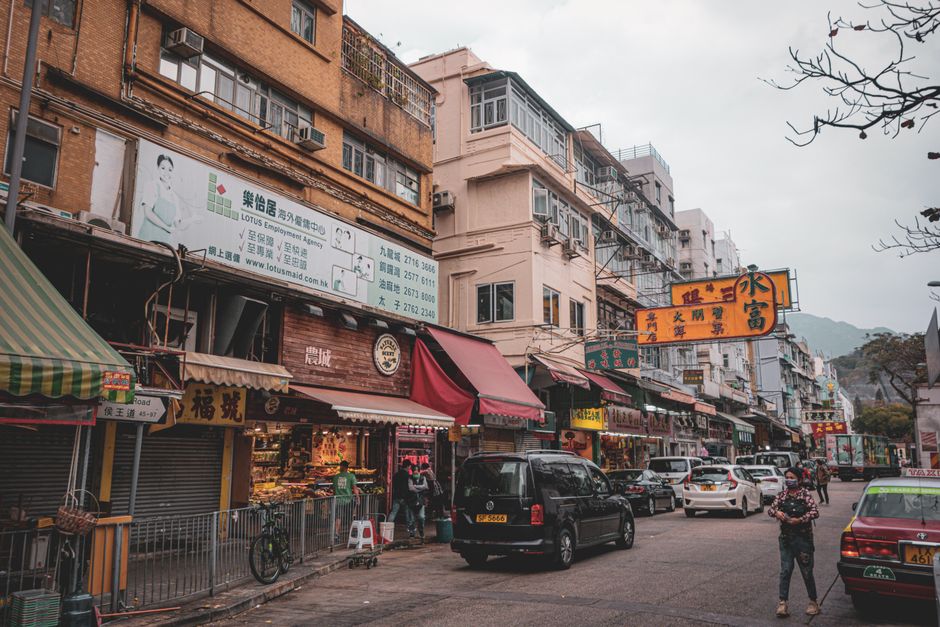
Take employment pathways. In Kowloon's Mong Kok district, where domestic workers cluster on their weekly day off, earning structures remain rigid. A live-in domestic helper earns around HK$4,700 monthly—a figure that has barely shifted in a decade—while London and Toronto have implemented progressive minimum wage reviews indexed to living costs. Meanwhile, Hong Kong's professional migrants in Central and Admiralty enjoy visa pathways and mobility that unskilled workers simply do not access.
Language provision reveals another gap. Singapore's government provides free Mandarin and English classes to all residents; Hong Kong offers piecemeal support through community centres in neighbourhoods like Sham Shui Po, where density of non-Cantonese speakers is highest. The result is patchy integration. English proficiency among service workers has actually declined in some sectors, creating friction.
Where Hong Kong excels is informal community infrastructure. The Philippines Social Club on Des Voeux Road Central, the Indonesian Cultural Centre in Wan Chai, the Chungking Mansions' de facto migrant hub—these organic networks predate formal policy and thrive despite bureaucratic indifference. This mirrors Dubai's early success but contrasts with London's embedded institutional support through the local council system.
Policy gaps loom larger as demographic pressures mount. Hong Kong's ageing population and low birth rate make skilled migration economically essential, yet the city offers no clear pathway to settlement for most non-domestic foreign workers. Singapore's points-based system and Canada's express entry pathway offer contrast—and lessons.
Immigration officials confirm discussions on potential reforms, though timelines remain unclear. Meanwhile, grassroots organisations report rising integration fatigue: second-generation migrants struggle with identity, and legal ambiguity persists around residency rights.
Hong Kong's multicultural reality is undeniable. Whether its institutions can match that reality's complexity remains the defining question of 2026.
This article was compiled by AI from the sources linked above and screened before publishing. See our editorial standards.