How Hong Kong's Housing Crisis Became the defining policy challenge of our generation
Decades of constrained land supply, spiralling property prices, and competing urban visions have created today's acute shortage—a retrospective on the decisions that brought us here.
This article was generated by AI from the linked public sources. The Daily Hong Kong is independently owned and covers Hong Kong news free from advertiser or sponsor influence. Read our editorial standards →
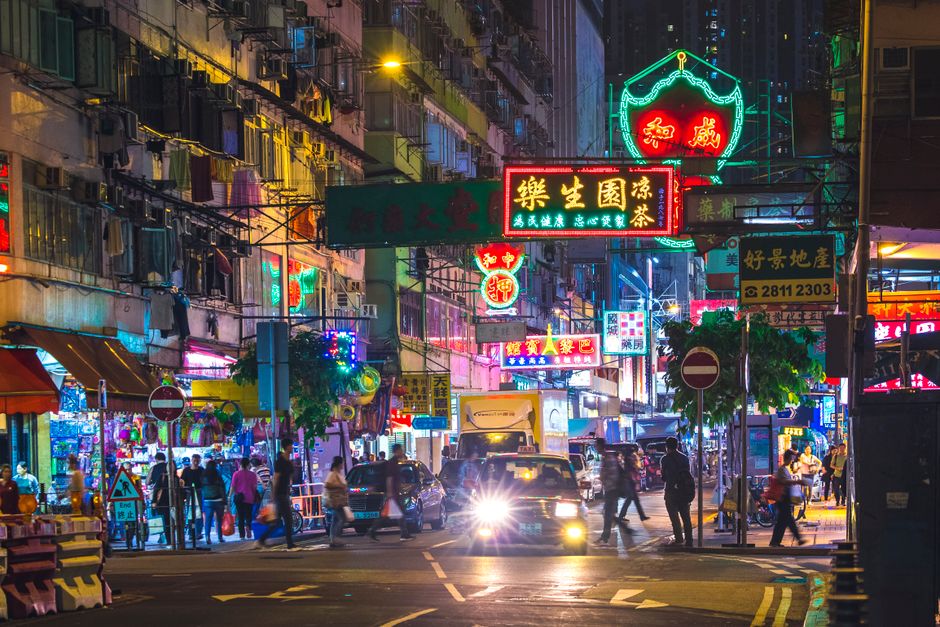
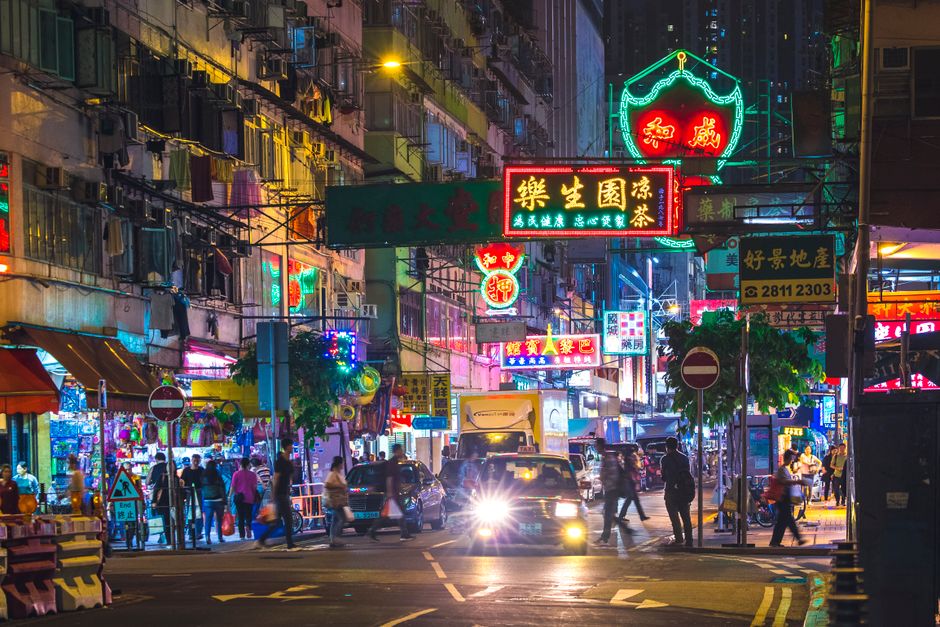
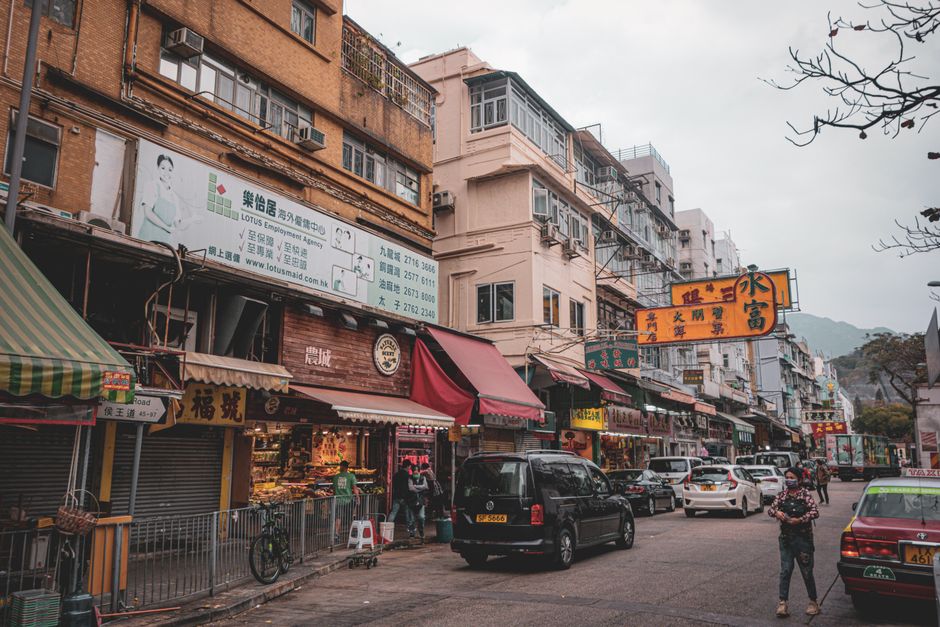
Walk through Mong Kok or Sham Shui Po and you'll witness Hong Kong's most pressing reality: subdivided flats measuring barely 100 square feet, multigenerational families stacked in converted industrial units, and median property prices hovering around HK$780,000 per square metre. This isn't a crisis that emerged overnight. It is the accumulated consequence of policy choices, geographical constraints, and competing visions for the city's future stretching back decades.
The roots run deep into the 1980s and 1990s, when Hong Kong transitioned from a manufacturing hub to a financial centre. As the economy shifted, the government's approach to housing evolved—but not fast enough. The colonial-era Urban Council's limited planning authority gave way to more centralised development under the Town Planning Board, yet land releases remained tightly controlled. The philosophy prioritised fiscal stability over supply: property taxes and land sales generated roughly 40 per cent of government revenue, creating an inherent disincentive to flood the market.
The handover in 1997 marked a subtle turning point. Under the Basic Law, land ownership remained vested in the state, offering theoretical leverage for housing policy. Yet the Property Market Monitoring Unit's establishment in 2009 signalled something else: management rather than intervention. Prices continued their inexorable climb. By 2015, the median flat price in popular districts like Central and Wan Chai had become unreachable for most residents—a far cry from the aspirational homeownership that defined post-war Hong Kong.
Geography has always constrained options. Only 25 per cent of Hong Kong's 1,104 square kilometres is developed; steep terrain, conservation areas, and the New Territories' agricultural heritage limit expansion. Yet critics argue successive administrations failed to utilise available land strategically. The North East New Territories development, once envisioned as a major housing solution, faced repeated delays and scope reductions. Lantau Island's expansion dreams never materialised at scale.
The reclamation debate epitomised this gridlock. Victoria Harbour reclamation—once routine—became politically toxic after environmental movements gained traction. Meanwhile, vertical living intensified. Buildings across Causeway Bay and Sheung Wan soared higher, housing density climbing while floor-space ratios maximised profit rather than livability.
Today, we confront the consequences: 140,000 families on public housing waiting lists with average waits exceeding five years; median private flat ownership age at 35 years; and a generation priced out of homeownership. Understanding how we arrived here—through market prioritisation, constrained land release, and delayed infrastructure investment—is essential as policymakers chart the next chapter for Hong Kong's urban future.
This article was compiled by AI from the sources linked above and screened before publishing. See our editorial standards.
Covering news in Hong Kong. This article was generated by AI from the linked sources and was not reviewed by a human editor before publishing. See our editorial standards.