Hong Kong's ambitious urban renewal agenda is entering a critical phase, with the Legislative Council greenlighting Phase Two of the Lantau Tomorrow Vision and accelerated MTR extensions into the Central Business District. But how does the city's approach to managing metropolitan growth compare with global peers facing similar pressures?
The figures tell part of the story. Hong Kong's population density of 7,600 people per square kilometre ranks among the world's highest, yet the government has committed HK$2.4 trillion to new infrastructure by 2040—a scale that observers say matches, if not exceeds, comparable initiatives in Singapore and Shanghai.
"The key difference lies in execution speed," notes Dr. Michael Wong, urban planning specialist at the University of Hong Kong. "Singapore's Land Transport Master Plan was implemented over 25 years with predictable milestones. Hong Kong is compressing similar timelines into two decades."
The Lantau Vision—involving artificial island reclamation, the Hong Kong-Zhuhai-Macau Bridge extension, and new town development near Tung Chung—mirrors Shanghai's approach to Pudong in the 1990s. Yet Hong Kong faces tighter spatial constraints and higher environmental scrutiny that Shanghai navigated differently during its rapid expansion.
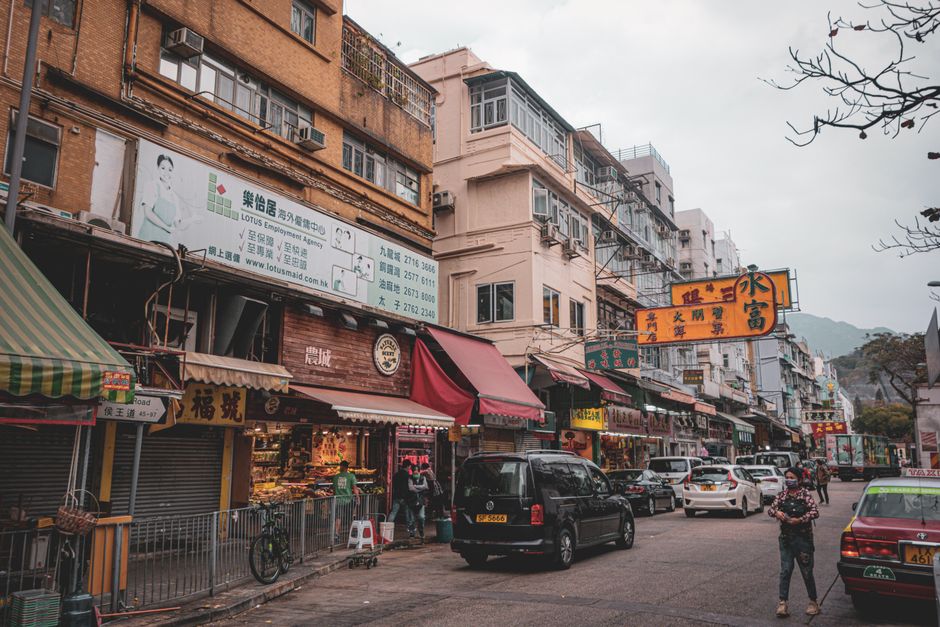
Public transport integration offers another lens. Hong Kong's MTR network already carries 5.7 million daily commuters, and the Extensions Programme aims to reduce reliance on franchised buses servicing areas like North Point and Kwun Tong. Singapore's integrated LRT and bus system, by contrast, was designed with residential clusters from inception, rather than retrofitted into existing neighbourhoods.
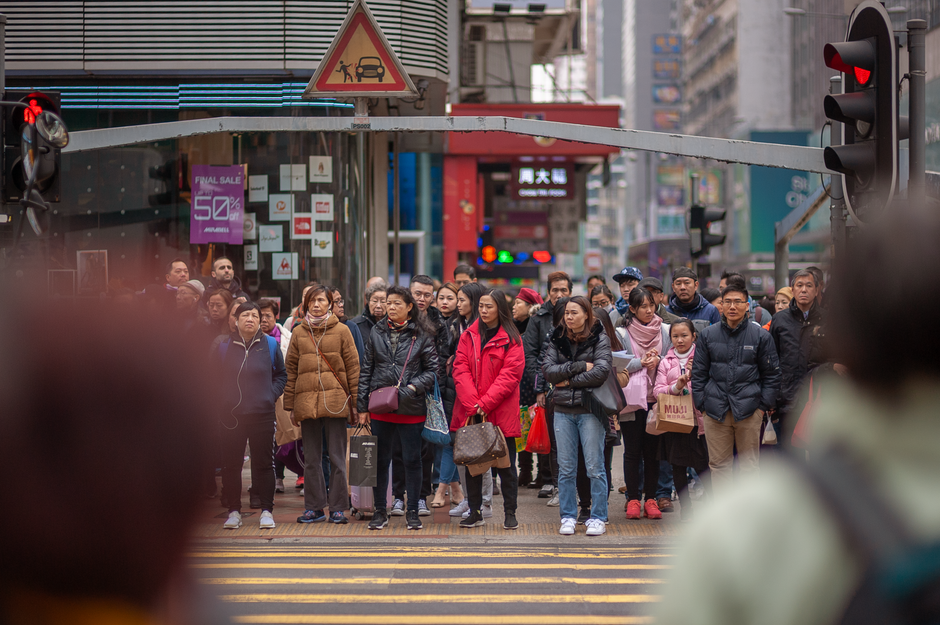
The political dimension cannot be ignored. Unlike Shanghai's state-directed model or Singapore's centralized Land Authority, Hong Kong's District Councils and competing stakeholder interests require broader consultation. Recent town hall meetings in Wan Chai and Eastern district have drawn large crowds concerned about gentrification and heritage preservation—dynamics less visible in top-down urban planning models elsewhere.
Cost efficiency remains contested. A new MTR station in Hong Kong averages HK$5 billion, compared to approximately SGD 1.1 billion (HK$6.3 billion) in Singapore, though populations and property values differ markedly. Housing affordability—with median flat prices at HK$6.8 million—adds urgency absent in wealthier city-states.
As construction cranes proliferate across the skyline from Kowloon Bay to Kai Tak, Hong Kong's governance model appears hybrid: adopting Singapore's infrastructure ambition while maintaining Hong Kong's more pluralistic planning culture. Whether this balance yields better long-term outcomes remains the city's defining test.
This article was compiled by AI from the sources linked above and screened before publishing. See our editorial standards.