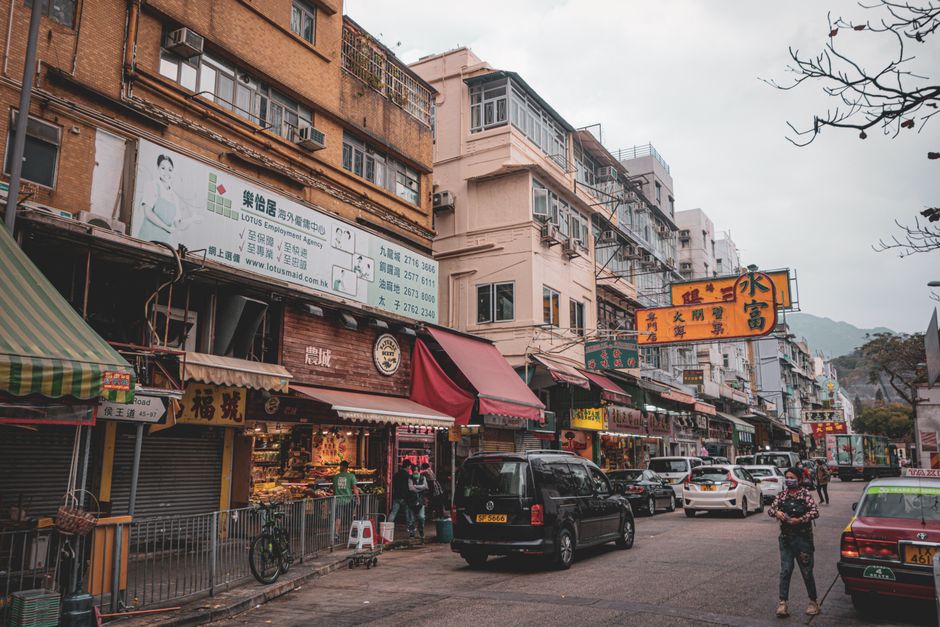
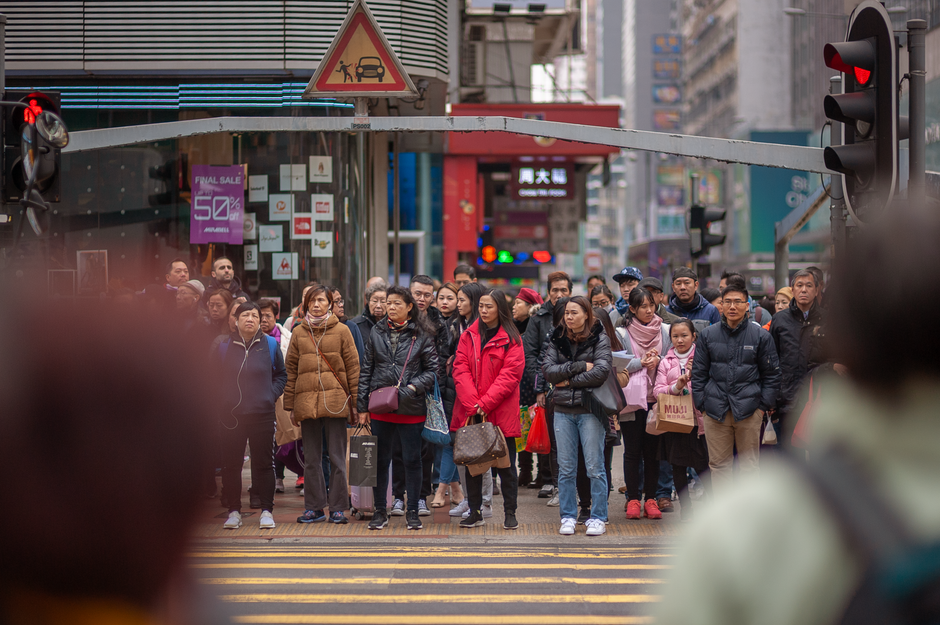
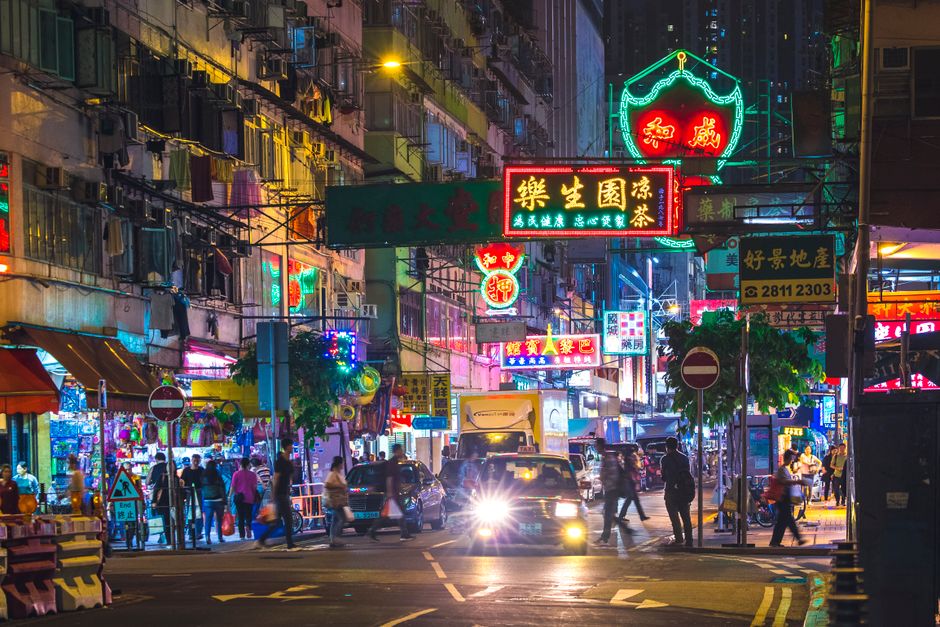
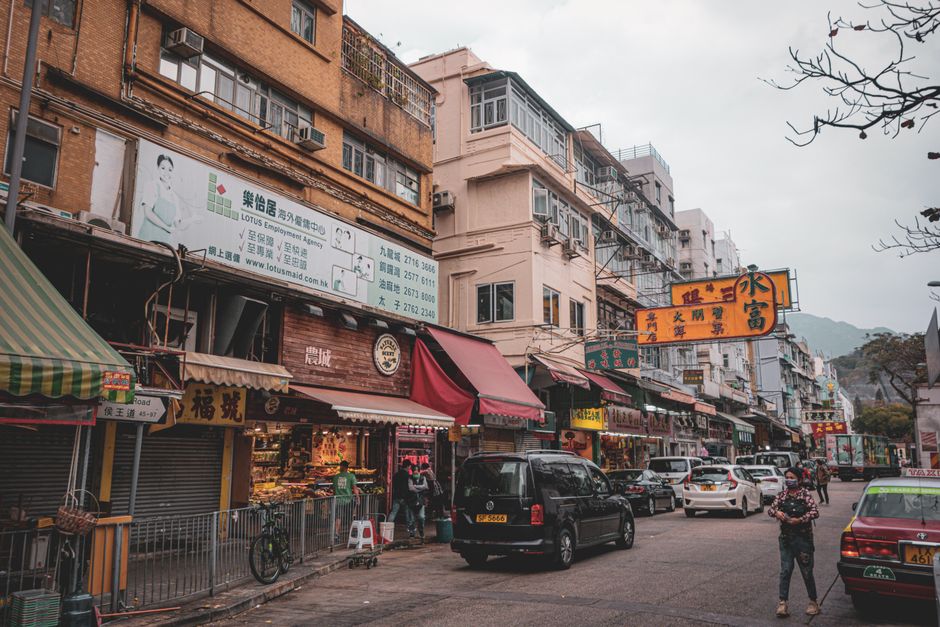
Walk through Central's gleaming streets today and you'd struggle to imagine the environmental tipping point Hong Kong faced just over a decade ago. Yet the crisis was real: by the early 2010s, the city was generating over 13 million tonnes of waste annually, with landfills at near-capacity and air quality rankings among Asia's worst.
The turning point came gradually, born from necessity rather than idealism. When the Environmental Protection Department released stark projections in 2013 showing that all three landfills—at Tseung Kwan O, West New Territories, and Sha Tin—would be full by 2020, alarm rippled through government and business alike. Property developers, already facing scrutiny over Victoria Harbour's degradation, recognised that Hong Kong's sustainability credentials directly affected its competitiveness as a global financial hub.
What followed was institutional reckoning. The government's 2013 Waste Blueprint introduced ambitious targets: reducing waste by 40 per cent and diverting 55 per cent of waste from landfills by 2022. These weren't abstract goals—they forced tangible change. The Environmental Bureau launched mandatory producer responsibility schemes, while districts like Wan Chai and Causeway Bay became testbeds for waste sorting infrastructure.
Private sector involvement proved crucial. Major property firms managing Central's commercial towers began retrofitting buildings with comprehensive recycling systems. The Jockey Club partnered with environmental groups to create green spaces across Kowloon, transforming underutilised areas near Mong Kok and To Kwa Wan. Universities, particularly Hong Kong University and CUHK, established research centres focused on circular economy models tailored to high-density urban living.
Community action accelerated the shift. Grassroots organisations in neighbourhoods like Sham Shui Po and North Point mobilised residents around recycling initiatives and plastic reduction. Markets along Des Voeux Road Central began phasing out single-use bags years before citywide regulations. The collective pressure—both from below and structural necessity from above—created momentum that policy alone might never have achieved.
By 2024, Hong Kong had diverted 52 per cent of waste from landfills, approaching those once-ambitious targets. Air quality index readings improved noticeably. The city hasn't solved its environmental challenges—waste generation remains high, and the transition to renewable energy continues haltingly—but the trajectory has fundamentally shifted.
What began as a crisis of capacity became a crisis of conscience. Hong Kong's sustainability journey reveals how cities don't transform through aspiration alone, but through the collision of hard limits, institutional will, and communities demanding better. For a metropolis built on reinvention, environmental sustainability has become the defining challenge of this generation.
This article was compiled by AI from the sources linked above and screened before publishing. See our editorial standards.