Sham Shui Po's Disappearing Dai Pai Dong: Why the Loss of Street Food Culture Threatens a Neighbourhood's Soul
As traditional open-air food stalls vanish from Hong Kong's oldest districts, residents worry about losing both affordable meals and the community spaces that have defined working-class life for generations.
This article was generated by AI from the linked public sources. The Daily Hong Kong is independently owned and covers Hong Kong news free from advertiser or sponsor influence. Read our editorial standards →
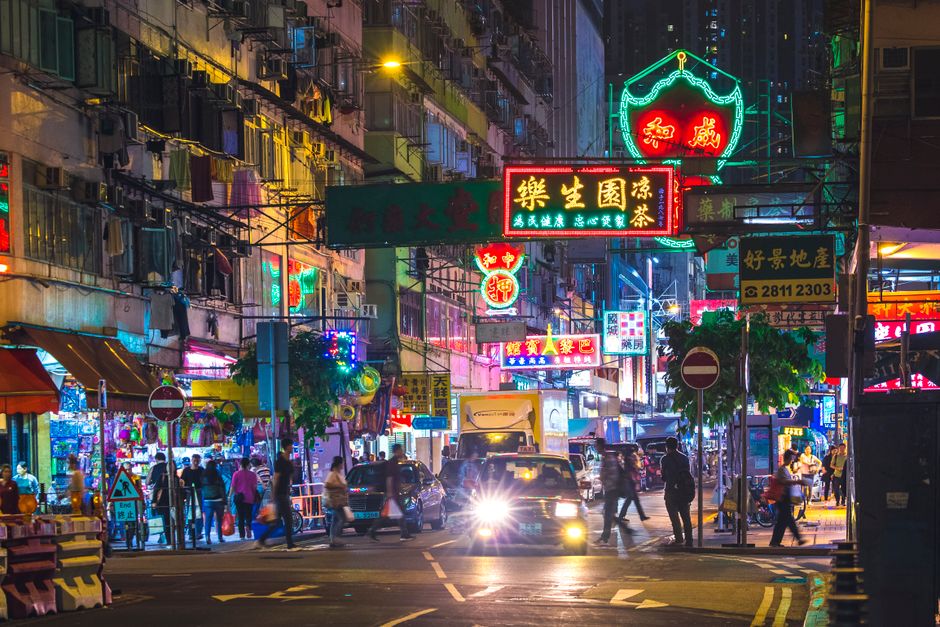
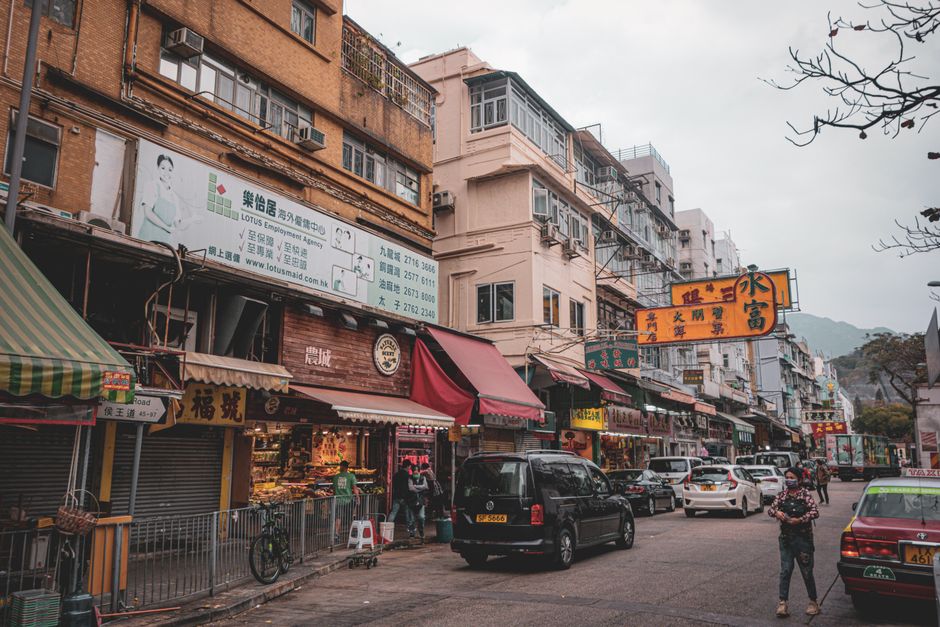
On Nam Cheong Street in Sham Shui Po, where dai pai dong stalls once lined the pavement with steaming woks and chattering diners, only three remain. A decade ago, there were seventeen. The decline mirrors a broader crisis: the Urban Renewal Authority's push for redevelopment, rising rents, and younger generations moving away have hollowed out the street food scene that once defined Hong Kong's most intimate neighbourhood gathering spaces.
The impact reaches far beyond nostalgia. For residents in older districts like Sham Shui Po, Mong Kok, and parts of Wan Chai, dai pai dong represent affordable dining—a bowl of wonton noodles costs HK$25 to HK$35, compared to HK$60-80 at casual restaurants. For elderly pensioners living on tight budgets and working-class families, these stalls provide essential economic relief. But they're also irreplaceable social infrastructure.
"These places are where communities actually connect," says Thomas Chan, a community organiser with the Sham Shui Po Heritage Project. "Regulars have eaten at the same stall for thirty years. It's where informal support networks form—neighbours know each other, look out for each other." When dai pai dong disappear, those informal safety nets vanish too.
The numbers tell a stark story. The Hong Kong Federation of Restaurants and Related Trades reported that dai pai dong numbers dropped from approximately 1,200 in 2000 to just over 480 today. Meanwhile, gentrification in surrounding areas accelerates. New residential towers and trendy cafés have transformed pockets of Sham Shui Po's landscape, pushing out traditional vendors who cannot afford rent increases.
Licensing complications add another layer. Health regulations require expensive ventilation upgrades; public space permits become harder to secure as districts pursue image rehabilitation. For vendors often operating on 10-15% profit margins, compliance costs are prohibitive. Many simply close rather than adapt.
Some community groups are fighting back. The Sham Shui Po District Council has proposed heritage-designated food zones and subsidised vendor support schemes. The Social Enterprises Hong Kong network is exploring pop-up dai pai dong initiatives to preserve culinary traditions while creating employment for older workers.
The question facing Hong Kong is whether development and heritage can coexist. Losing dai pai dong means more than losing a meal option—it means erasing gathering spaces where working-class Hong Kong sustains itself, both economically and socially. For residents in aging neighbourhoods, that loss is already painfully visible.
This article was compiled by AI from the sources linked above and screened before publishing. See our editorial standards.
Covering news in Hong Kong. This article was generated by AI from the linked sources and was not reviewed by a human editor before publishing. See our editorial standards.