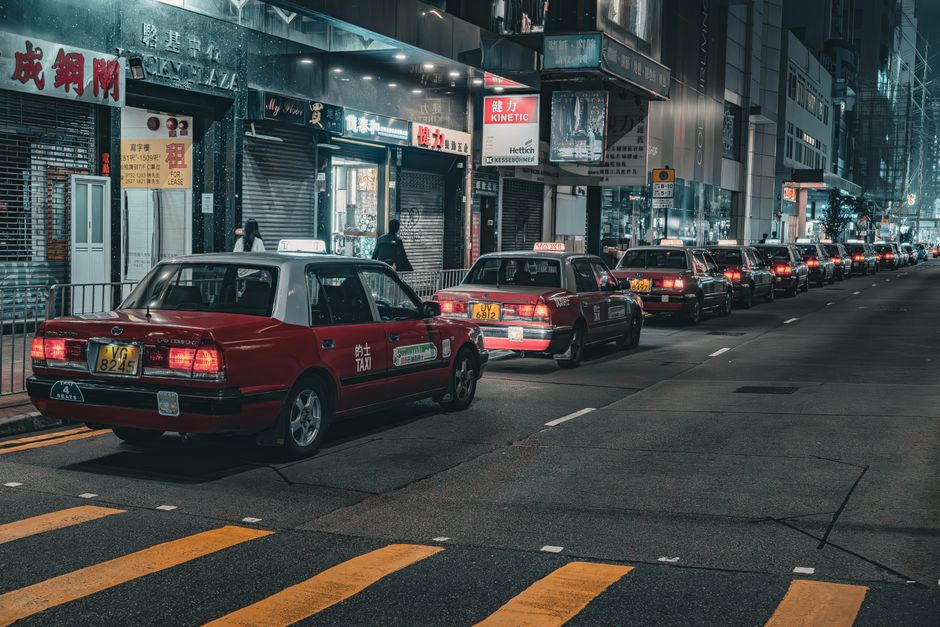
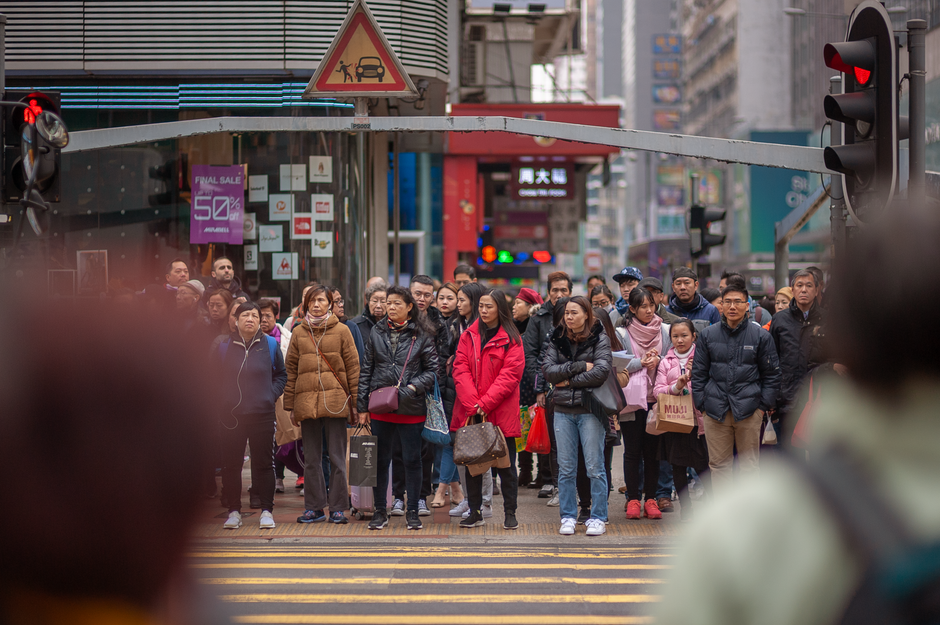
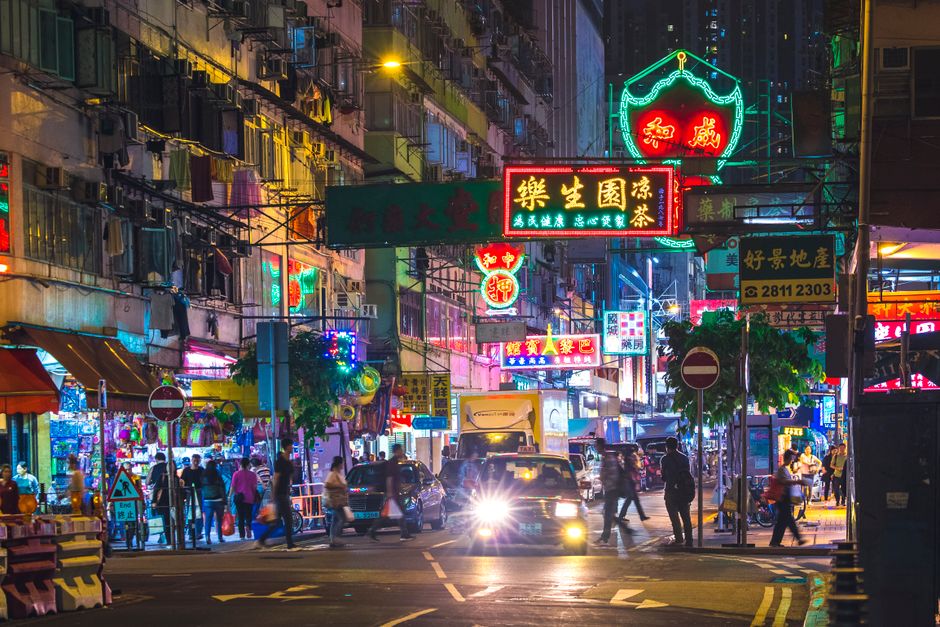
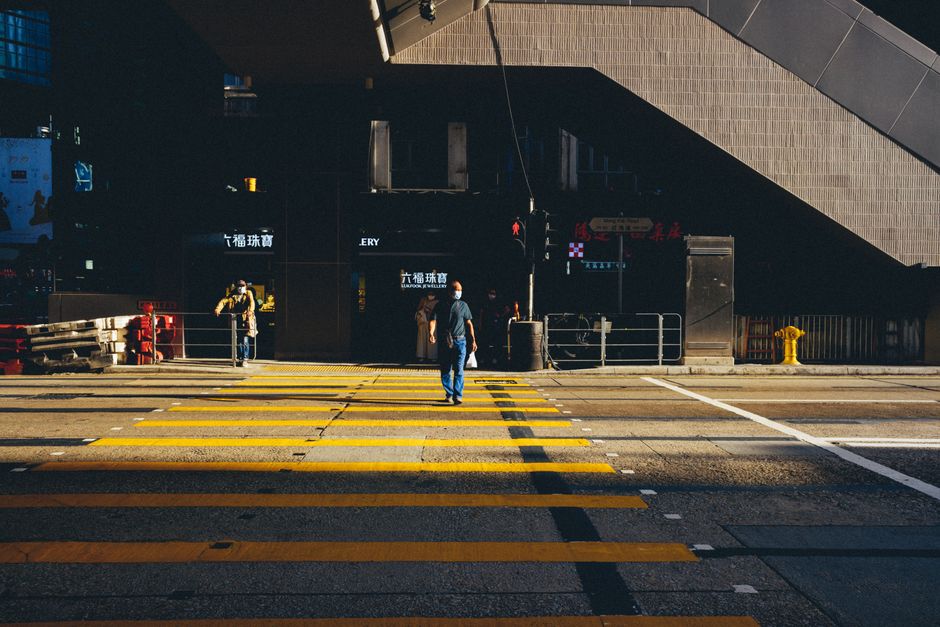
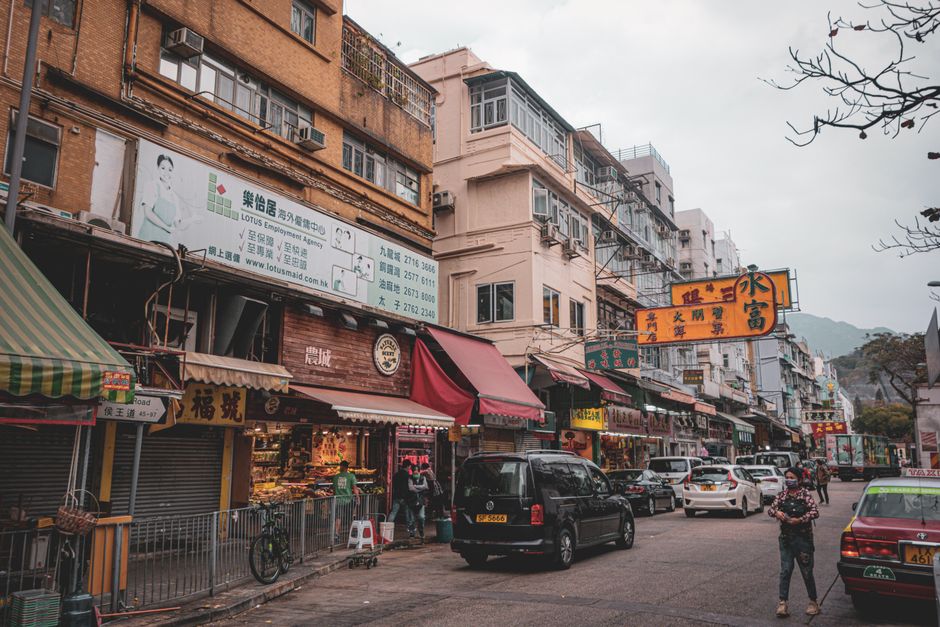
In the narrow lanes of Sham Shui Po, where elderly residents peer out from pre-war buildings into streets clogged with delivery trucks, environmental concerns have become deeply personal. Local community groups are increasingly vocal about the disconnect between government sustainability targets and the daily realities faced by working-class neighbourhoods bearing the brunt of Hong Kong's environmental challenges.
The Environmental Bureau has pledged to achieve carbon neutrality by 2050, but residents from Victoria Dockside to Mong Kok say the burden of congestion, air quality degradation, and waste accumulation falls disproportionately on their doorsteps. "We see the government's green plans on paper, but we live in the grey reality," said a representative from the Sham Shui Po Community Centre, which has been organising weekly forums on local air quality since 2024.
Data from the Environmental Protection Department shows that roadside nitrogen dioxide levels in Mong Kok consistently exceed 80 micrograms per cubic metre—significantly higher than residential areas in the mid-levels. Yet community voices from these affected districts have been notably absent from major policy consultations, residents argue.
In Kwun Tong, where industrial estates still operate alongside residential complexes, the Kwun Tong Environmental Concern Group has been pushing for mandatory environmental impact assessments on logistics hubs. "Our children go to school past delivery centres operating 24/7," a group spokesperson noted, highlighting how the e-commerce boom has accelerated neighbourhood disruption without corresponding environmental protections.
The situation is prompting grassroots movements to demand genuine community participation in sustainability planning. Organisations like the Hong Kong Environmental Federation have begun facilitating neighbourhood councils to draft their own environmental priorities, rather than waiting for top-down initiatives.
Some progress has emerged. Following community pressure, the government expanded the $2 billion Building Energy Efficiency Financing Scheme in early 2025, with dedicated support for older residential blocks in districts like Central and Sheung Wan. Yet activists emphasise this remains insufficient without addressing transportation, industrial emissions, and waste management—areas where community input remains marginal.
As Hong Kong approaches mid-year policy reviews, affected residents are asserting that authentic sustainability requires listening to those experiencing environmental degradation firsthand. "We're not asking for favours," said a Mong Kok community organiser. "We're asking to be partners in solutions, not afterthoughts in plans made elsewhere."
This article was compiled by AI from the sources linked above and screened before publishing. See our editorial standards.