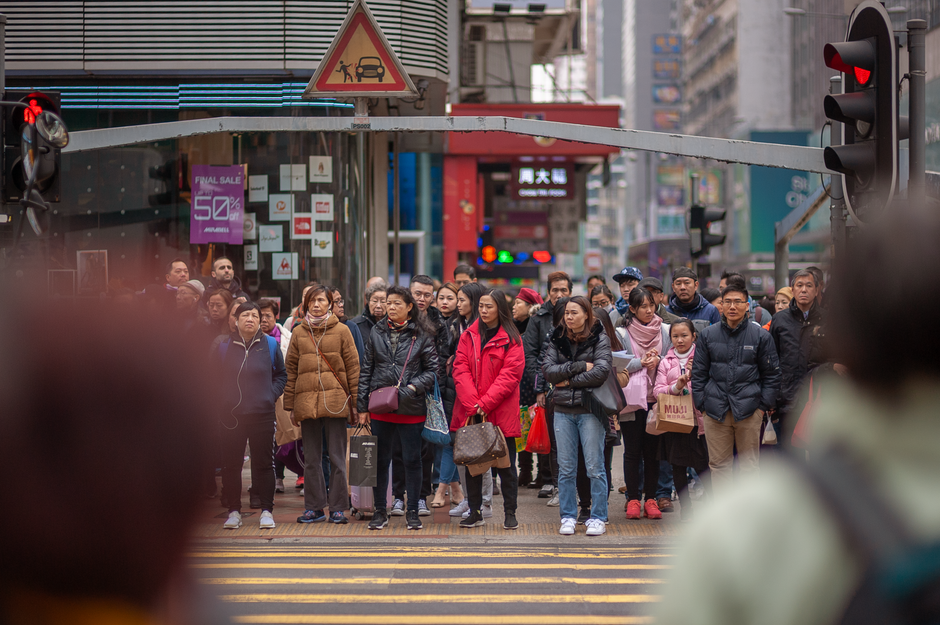
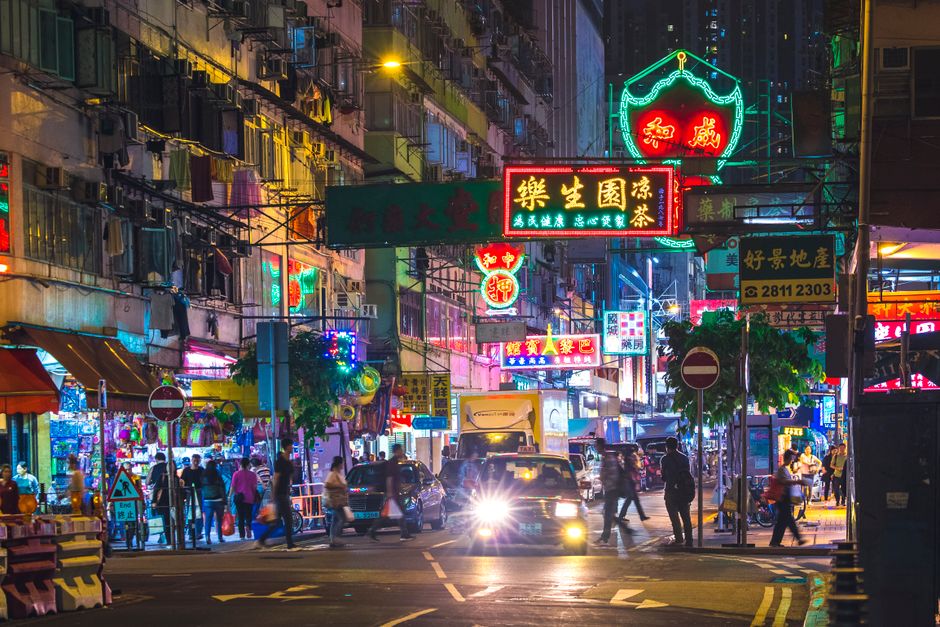
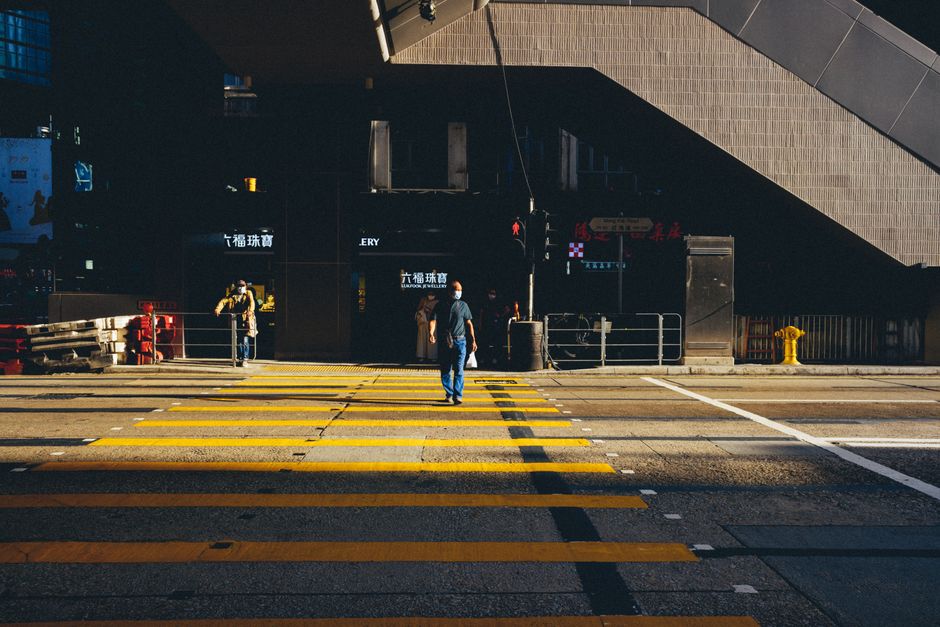
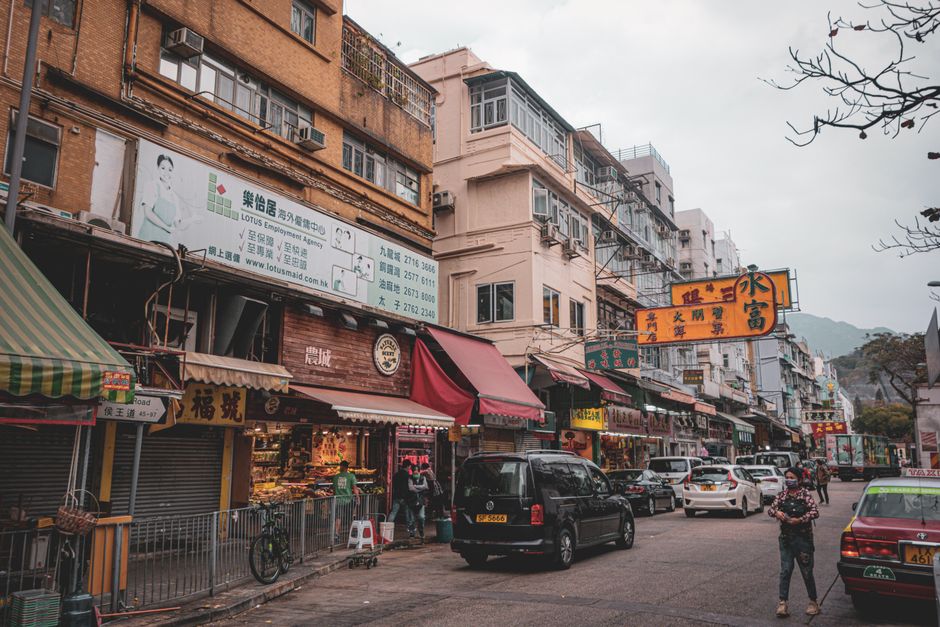
North Point stands at a crossroads. The sprawling residential neighbourhood, home to roughly 380,000 people and dominated by aging mid-rise apartment blocks built in the 1960s and 1970s, now faces a series of interconnected decisions that will determine its future character for the next generation.
The immediate catalyst is structural. Buildings like those clustered around King's Road and Electric Road—some now over 55 years old—require increasingly expensive maintenance. Average monthly rents in these properties have risen to HK$18,000-22,000 for a 450 square-foot flat, yet many lack modern amenities. The Buildings Department has flagged defects in at least twelve major complexes here, prompting owners' corporations to consider either significant retrofitting or pursuing government-backed redevelopment schemes.
The Urban Renewal Authority currently eyes three potential sites in the district for major projects. One proposal involves the area bounded by Java Road and Marble Road, affecting roughly 2,400 households. Residents here face an unprecedented choice—accept relocation packages (typically offering compensation plus priority in new developments) or fight for preservation orders that could freeze their neighbourhood in place but potentially trap them in deteriorating conditions.
"This isn't simply about buildings," says a community worker at the North Point Community Centre on King's Road, who has witnessed residents' dilemmas firsthand. Many elderly residents, some having lived here for forty years, fear displacement despite generous offers. Younger professionals drawn to North Point's affordability and proximity to Quarry Bay's creative scene worry that redevelopment will price them out entirely.
Beyond housing, the decisions ripple outward. Will the 127-year-old Lei Yue Mun wet market, iconic to the neighbourhood's identity, be preserved or relocated? Should the cluster of small temples and historic shophouses around North Point's main thoroughfare be protected as cultural heritage? How can the district balance its working-class roots with inevitable gentrification pressures?
The District Council and URA are scheduled to hold formal consultations between July and September 2026. These sessions will effectively determine whether North Point undergoes selective redevelopment or comprehensive transformation.
For a neighbourhood that has hosted generations of working families, migrant communities, and now young creatives, the outcome will echo far beyond Victoria Harbour. North Point's decisions will become a template for how Hong Kong manages its aging urban landscape while attempting to preserve community identity amid relentless property market pressures.
This article was compiled by AI from the sources linked above and screened before publishing. See our editorial standards.