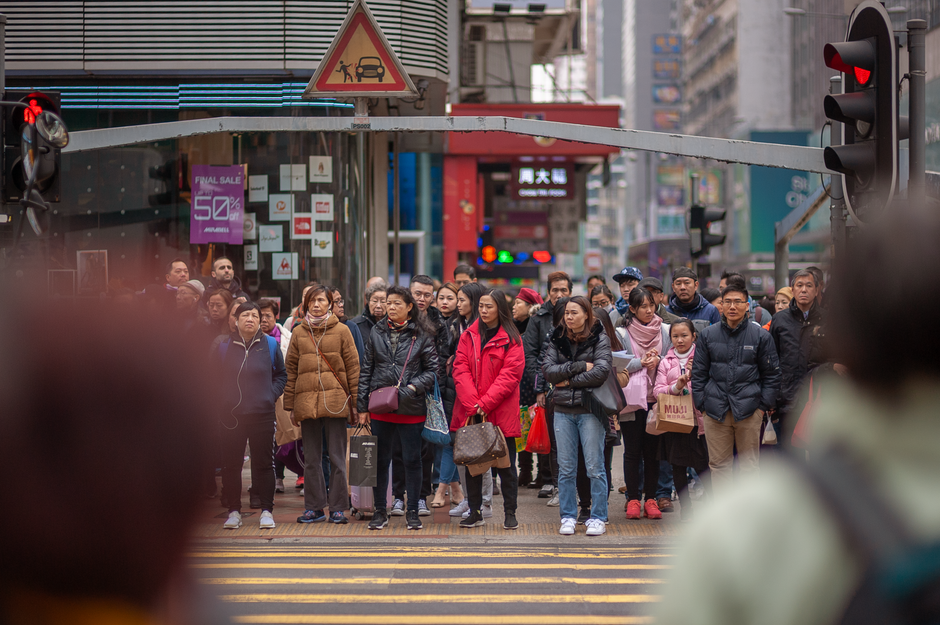
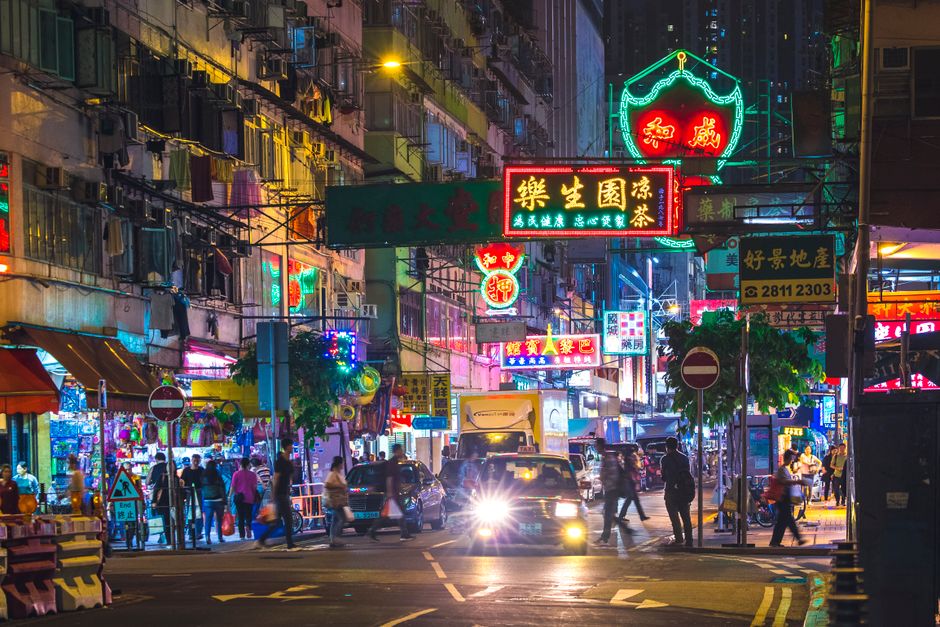
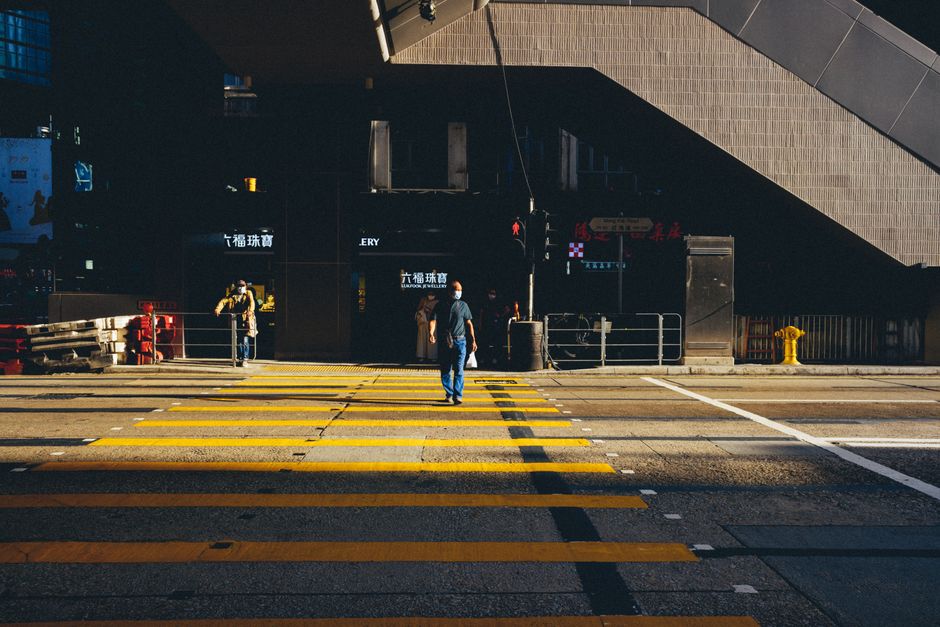
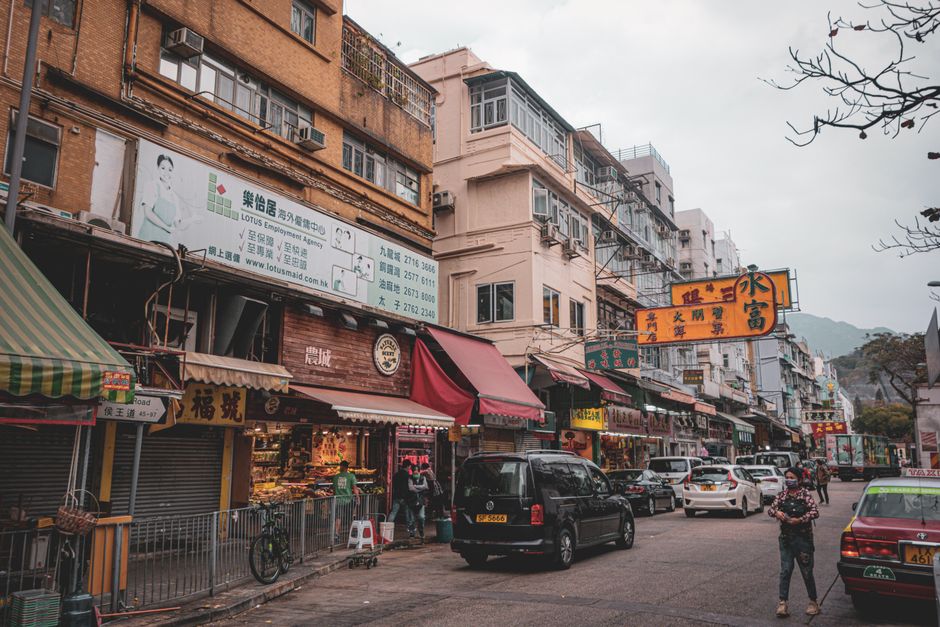
Hong Kong's Environmental Bureau released its updated Climate Action Plan 2050 earlier this year, committing to carbon neutrality by mid-century. On paper, it reads impressively. Yet when stacked against the tangible progress of Singapore and Seoul, Hong Kong's initiatives reveal a city still catching up in a region's sustainability sprint.
The numbers tell part of the story. Singapore has already reduced its emissions intensity by 36 per cent since 2005, backed by aggressive renewable energy procurement and a carbon tax framework that took effect in 2024. Seoul, meanwhile, has converted sections of the Cheonggyecheon—once a polluted urban waterway—into a thriving ecological corridor that processes 22 tonnes of pollutants daily. Hong Kong's Victoria Harbour cleanup efforts, while commendable, have struggled with persistent water quality issues that constrain both recreation and marine biodiversity.
Locally, the MTR's expansion continues to position public transport as central to decarbonisation efforts. Yet Hong Kong's public transit modal share of roughly 76 per cent still lags Singapore's 80 per cent, where integrated payment systems and first-mile connectivity are more seamlessly executed. The city's ambitious target to phase out Euro IV diesel vehicles by 2035 is sound policy, but implementation remains patchy across urban neighbourhoods like Mong Kok and Causeway Bay, where congestion persists.
Perhaps most telling is renewable energy adoption. Singapore's Jurong Island hosts one of Asia's largest solar installations, while South Korea has committed to expanding offshore wind capacity substantially. Hong Kong's renewable targets—achieving 50 per cent non-fossil fuel energy mix by 2035—remain dependent on continued reliance on imported liquefied natural gas, a transitional fuel that Singapore has already begun pivoting away from aggressively.
The city does boast strengths. Hong Kong's Green Building Council has certified over 800 properties under local standards that rival international benchmarks. The Central and Western District's growing network of urban farms and community gardens offers a model that peers like Tokyo have studied closely. And the Sustainable Finance Centre, established within the Hong Kong Monetary Authority's purview, has attracted significant capital toward climate-aligned investments.
Industry observers suggest the gap reflects governance pace as much as ambition. Seoul's mayoral office has dedicated climate units with direct budget authority; Singapore's model integrates environmental targets into ministerial performance reviews. Hong Kong's distributed approach, spanning the Environmental Bureau, Transport and Housing Bureau, and various district councils, sometimes produces coordination friction.
As global climate finance increasingly rewards measurable outcomes over intentions, Hong Kong must accelerate from planning to delivery—or risk falling further behind the region's frontrunners.
This article was compiled by AI from the sources linked above and screened before publishing. See our editorial standards.