Why Hong Kong's New Urban Renewal Plan Matters: How Decisions Made Today Will Shape Your Neighbourhood Tomorrow
As the government accelerates redevelopment projects across ageing districts, residents face a critical question: will revitalisation preserve community character or price out those who call these places home?
This article was generated by AI from the linked public sources. The Daily Hong Kong is independently owned and covers Hong Kong news free from advertiser or sponsor influence. Read our editorial standards →
The Urban Renewal Authority's latest masterplan, unveiled earlier this month, targets 13 priority zones across Mong Kok, Sham Shui Po, and Wan Chai for comprehensive redevelopment. On paper, it promises modernised housing, improved infrastructure, and revitalised public spaces. For the estimated 200,000 residents in these neighbourhoods, however, the reality is far more complicated.
The stakes are personal and immediate. In Mong Kok, where average private flat prices now hover around HK$68,000 per square foot, relocation compensation barely covers replacement housing in the same district. A 60-year-old resident of a subdivided unit paying HK$6,000 monthly rent faces an uncertain future when their building is earmarked for demolition. The government's Home Ownership Scheme offers limited units, and private market alternatives in adjacent areas like Prince Edward and Argyle Street command prices that push out long-time residents.
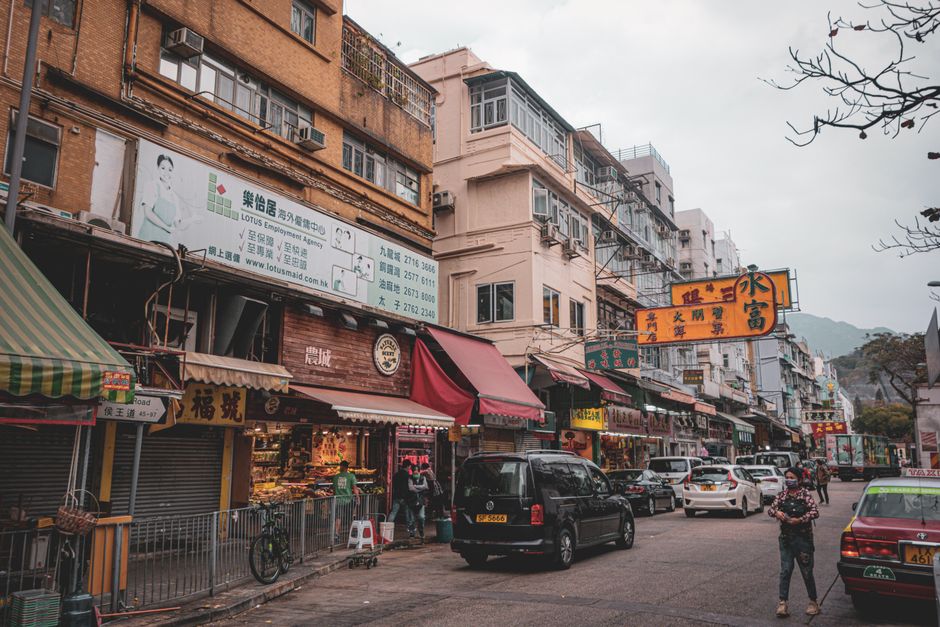
What troubles community organisations like the Society for Community Organisation is the pace outstripping genuine consultation. Public forums in Sham Shui Po saw over 800 residents turn out, yet the government's planning timeline remains compressed. Small business owners—the dim sum restaurants on Reclamation Street, the fabric traders clustered near Apliu Street—worry that redevelopment timelines don't account for their relocation needs. These aren't just commercial spaces; they're economic anchors for elderly residents and migrant workers who depend on affordable local employment.
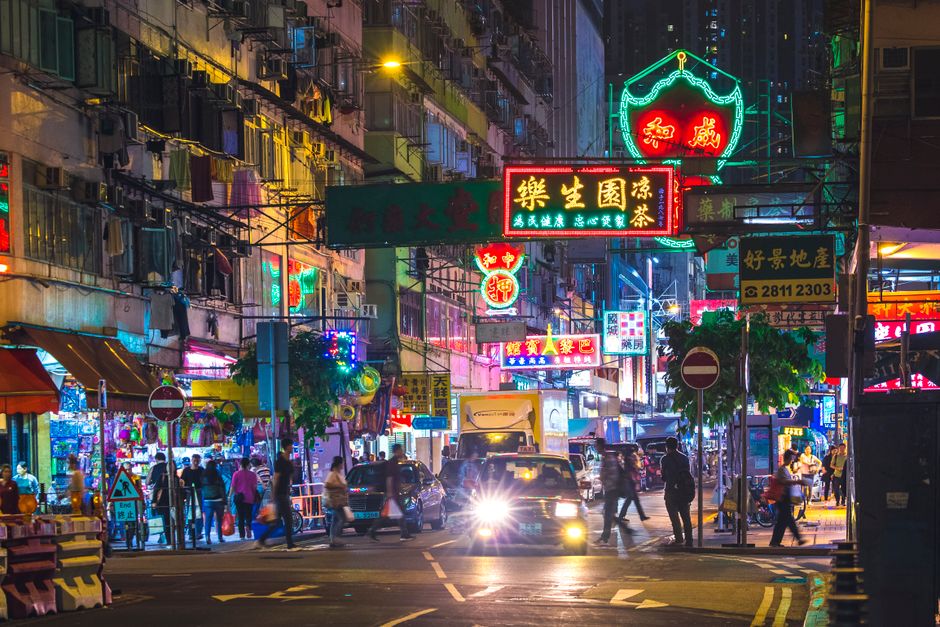
The government argues modernisation is non-negotiable. Buildings in these districts date back to the 1950s and 60s, with ageing infrastructure and safety concerns. Fair points. But the current model prioritises developer partnerships and revenue recovery over preserving the social fabric these neighbourhoods have woven over generations. When a new development in Wan Chai replaces traditional Chinese medicine shops and dai pai dong with upscale retail, something irreplaceable disappears.
There are alternatives worth exploring. Other cities—Seoul, Tokyo—have managed urban renewal that includes affordable housing quotas and genuine community preservation policies. Hong Kong's next phase should demand similar commitments: meaningful rent allowances indexed to actual market rates, protected units for existing businesses, and extended consultation periods that don't steamroll legitimate community concerns.
The government's housing crisis is real, and parts of these districts genuinely need investment. But the question residents are asking—and policymakers must answer—is whether renewal means improvement for everyone, or whether it simply reshuffles disadvantage to other parts of the city. That answer will define Hong Kong's character for decades to come.
This article was compiled by AI from the sources linked above and screened before publishing. See our editorial standards.
Covering news in Hong Kong. This article was generated by AI from the linked sources and was not reviewed by a human editor before publishing. See our editorial standards.