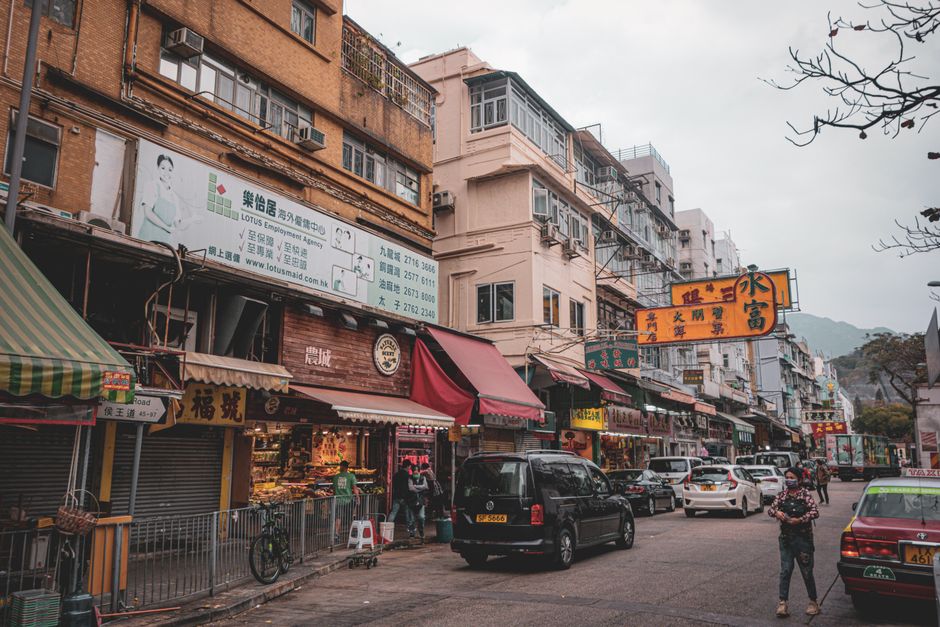
Hong Kong's transport and urban planning establishment is locked in debate over how to address severe congestion in Central, with officials from the Transport and Housing Bureau clashing with independent experts and business leaders over competing solutions as pedestrian counts hit unprecedented levels.
The disagreement centres on the government's proposed extension of the Island Line to serve the Admiralty waterfront development, scheduled for completion in 2029. Department officials argue the project will alleviate pressure on existing MTR stations in Central, where foot traffic has surged 34 per cent since 2022, according to preliminary data from the MTR Corporation presented to the Legislative Council's Transport Panel in May.
However, urban planners from the University of Hong Kong and the Hong Kong Institute of Planners have publicly questioned whether the extension addresses the root problem. Speaking at a policy forum on Hennessy Road last month, academics pointed out that congestion in the Central-Admiralty corridor stems primarily from office workers and retail visitors, not commuters requiring new train stations. They have advocated instead for congestion pricing on Des Voeux Road and Queen's Road Central during peak hours—a model successfully deployed in Singapore and London.
"The issue isn't capacity; it's demand management," one senior planning consultant told The Daily Hong Kong, requesting anonymity due to ongoing advisory work with government agencies. "Without pricing signals, new infrastructure simply attracts more traffic."
The business community has added another voice to the debate. The Hong Kong General Chamber of Commerce warned last week that congestion pricing could harm retail businesses along Des Voeux Road, where foot traffic accounts for an estimated 40 per cent of revenue for smaller shops. Chamber officials have instead called for staggered working hours across the financial district, a proposal the Securities and Futures Commission has begun discussing with major banks.
Transport officials at the MTR Corporation and the Land Transport Authority have maintained that the Island Line extension remains essential infrastructure, citing environmental benefits and long-term capacity needs. They acknowledge, however, that pricing mechanisms could complement—not replace—new transport projects.
The debate reflects broader tensions in Hong Kong's governance: between short-term business concerns and long-term city planning, and between infrastructure investment and behavioural change strategies. With Central's property values remaining among the world's highest, any policy decision carries significant economic weight for stakeholders from Pacific Place to the Financial Street precinct.
A Transport and Housing Bureau spokesperson said the government would continue consulting all parties before finalising recommendations in the third quarter.
This article was compiled by AI from the sources linked above and screened before publishing. See our editorial standards.