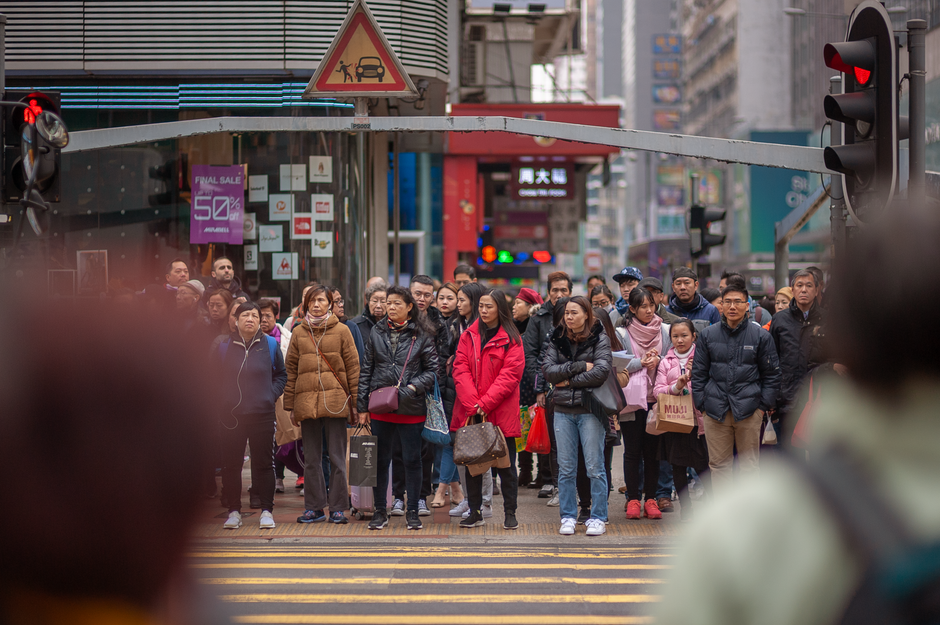
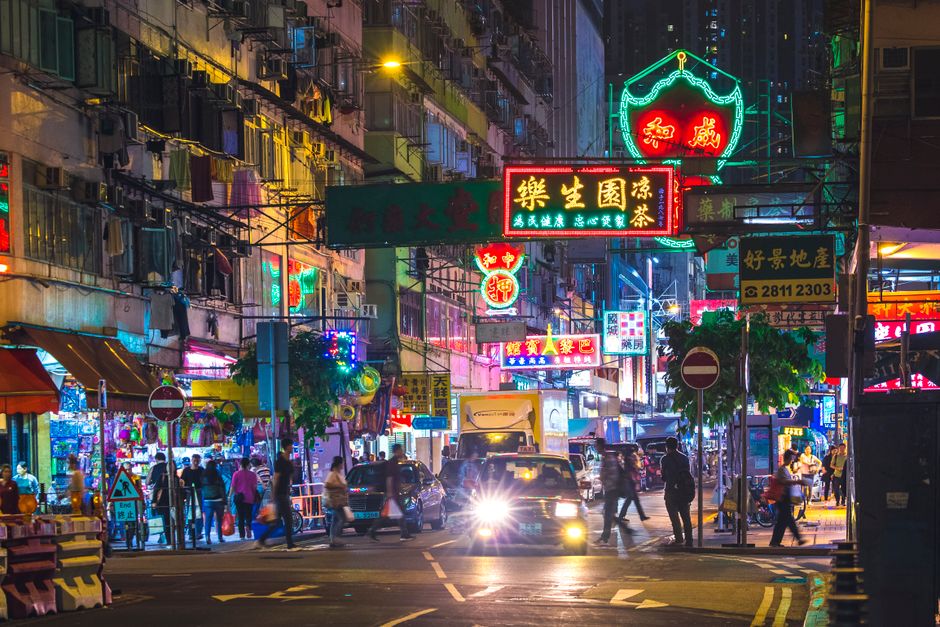
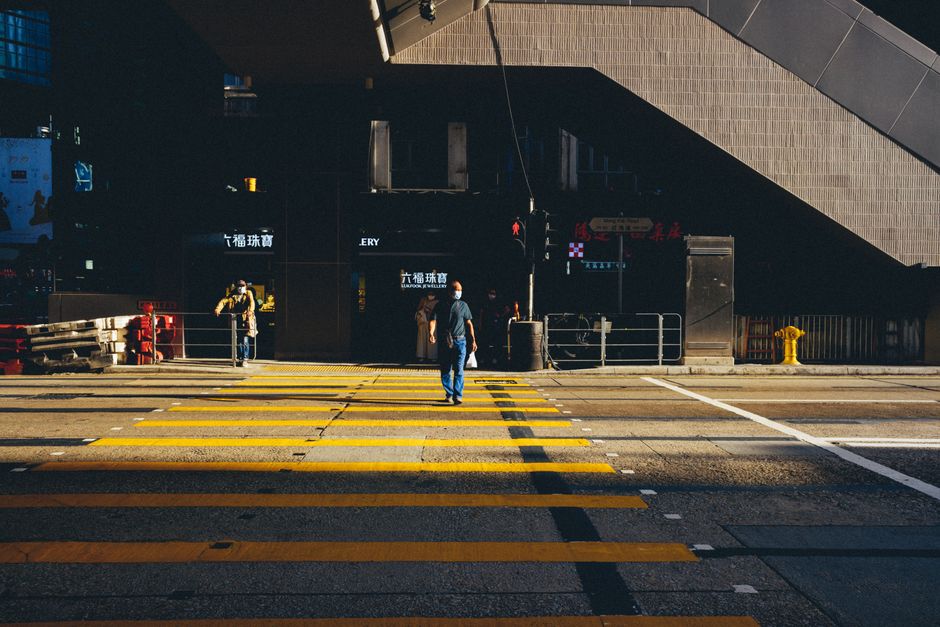
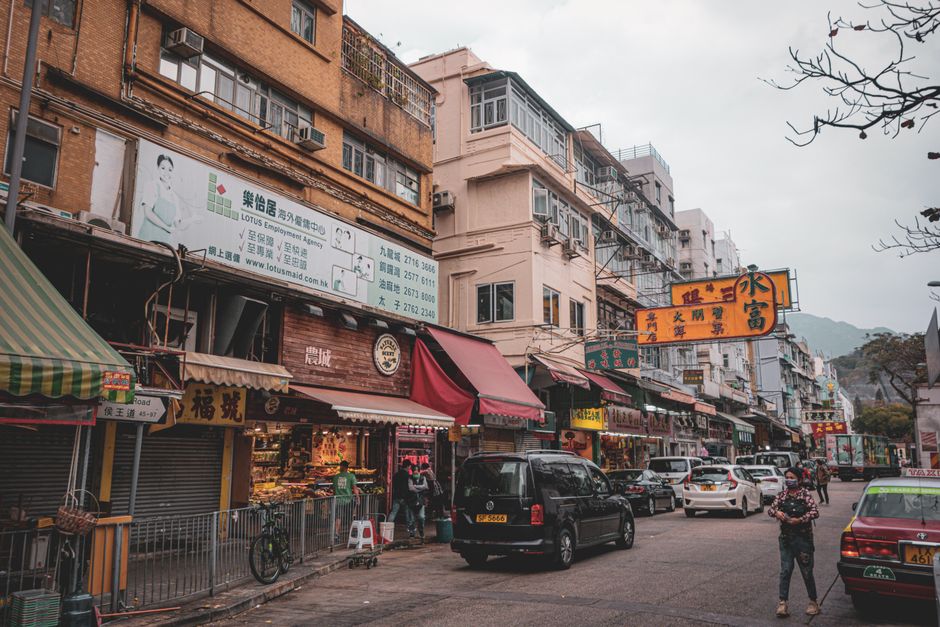
While rescue teams in Venezuela grapple with coordination challenges and international aid struggles to reach Pakistan's earthquake-affected regions, Hong Kong's neighbourhood-based welfare system offers a strikingly different model—one that increasingly attracts attention from urban planners globally.
The contrast became apparent last month when a water main burst in Mid-Levels displaced 47 residents temporarily. Within hours, the Mid-Levels Residents Association had coordinated accommodation through three local hotels, arranged meals via Causeway Bay restaurants, and organised English-language support for elderly residents. The entire response was handled at neighbourhood level, without waiting for government machinery.
"Our system works because we operate at the street level," explains the coordinator structure familiar to most Hong Kong district councils. Similar efforts in global cities often stumble because they require navigating multiple bureaucratic layers. In London, comparable crises typically involve five or six government departments. In Hong Kong, residents' associations—numbering over 400 across the territory—can mobilise in real time.
The Sheung Wan Community Centre, nestled between Des Voeux Road Central and Hollywood Road, exemplifies this hyperlocal approach. It serves roughly 8,000 residents within a 500-metre radius, maintaining updated contact lists and running monthly neighbourhood assemblies. Monthly dues average HK$50 per household, funding emergency reserves that supplement government support.
Compare this with similar communities in Singapore or Seoul. While both cities maintain excellent crisis infrastructure, they rely more heavily on top-down government coordination. Hong Kong's system, by contrast, depends on human networks built through daily interaction—mahjong groups, dai pai dong regulars, school parent associations—creating social capital that activates during emergencies.
The model isn't without limitations. Wealthier areas like The Peak or Mid-Levels benefit from more resourced associations, while densely-packed districts like Mong Kok face capacity constraints. Still, the basic architecture persists: localised, volunteer-driven, and remarkably efficient.
As global cities confront unprecedented displacement—whether from natural disasters or conflict—Hong Kong's neighbourhood infrastructure offers lessons worth studying. When rescue teams can't reach communities and government systems are overwhelmed, as seen across Pakistan and Venezuela, tight-knit local networks become lifelines.
The question emerging in urban policy circles worldwide isn't whether centralised systems work. It's whether they work fast enough. Hong Kong's answer, refined over decades, suggests that community wins when measured by response time, trust, and actual outcomes rather than official capacity.
This article was compiled by AI from the sources linked above and screened before publishing. See our editorial standards.