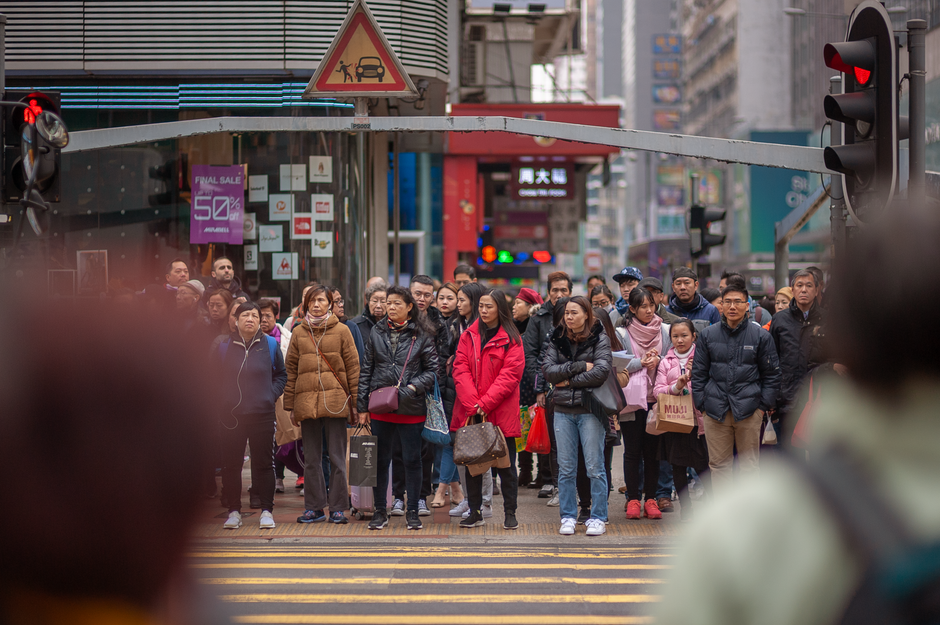
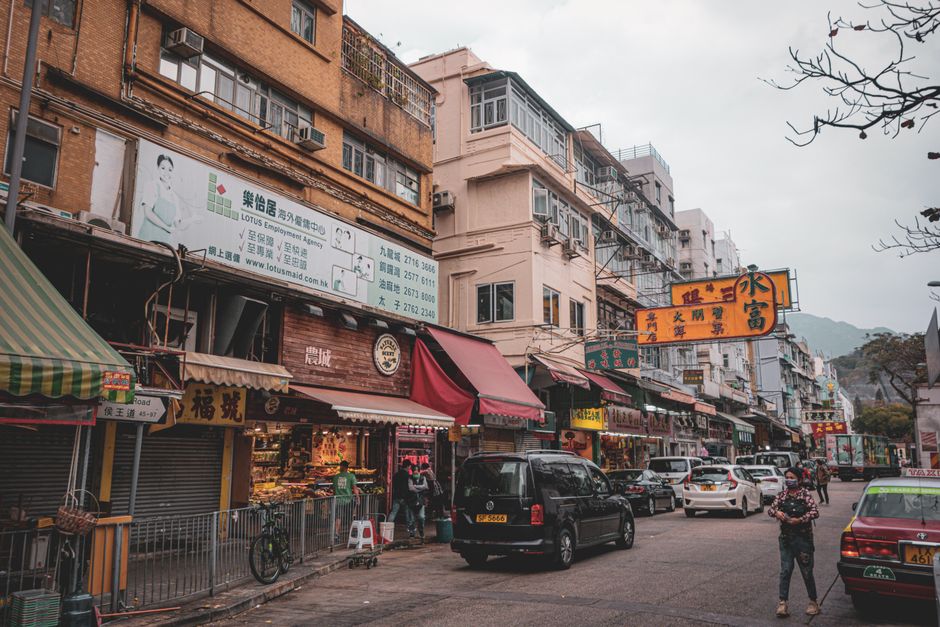
The narrow lanes of Tai Hang, one of Hong Kong Island's last intact traditional villages, are at a crossroads. As pressure mounts from developers eyeing the neighbourhood's prime location between Causeway Bay and Happy Valley, residents are preparing for what community leaders describe as the most consequential decision in the village's modern history.
Over the past decade, Tai Hang has become a rare pocket of heritage in Hong Kong's relentless urban landscape. Its laneway network, low-rise shophouses, and community spirit have attracted both heritage enthusiasts and young families seeking reprieve from the city's vertical density. Average rents in the area—around HK$18,000 to HK$22,000 monthly for a two-bedroom unit—remain significantly below nearby Causeway Bay's HK$30,000-plus, making it increasingly attractive as gentrification accelerates.
Now, a HK$3.8 billion redevelopment proposal threatens this equilibrium. The scheme, which would replace five adjoining buildings on Tai Hang Road with a 28-storey tower combining residential, retail, and office space, has galvanised residents and triggered a broader conversation about Hong Kong's approach to urban preservation.
The Tai Hang Community Association is orchestrating a formal consultation process over the next eight weeks, culminating in a binding community vote scheduled for late August. The decision will determine whether residents collectively petition the Urban Renewal Authority for heritage conservation status—a path that could stall or fundamentally reshape the development—or permit the project to advance.
"This isn't just about buildings," says the Association's chairman in a recent statement. "It's about whether we allow the last few neighbourhoods with genuine community character to vanish."
Key decisions loom. Will the developer agree to preserve the village's iconic wet market, operating since 1959, which currently occupies ground-floor space? Can residents negotiate affordable housing quotas if redevelopment proceeds? And critically, what safeguards might prevent further speculation in the area after initial development concludes?
Similar tensions have erupted across Hong Kong's shrinking heritage neighbourhoods—from Sham Shui Po to Kennedy Town—but Tai Hang's situation feels uniquely urgent. Unlike these areas, where preservation battles have dragged on for years, Tai Hang's compressed timeline forces residents to act decisively.
The coming weeks will reveal whether this tight-knit community can leverage collective action to influence its own future, or whether Hong Kong's development momentum proves, once again, unstoppable.
This article was compiled by AI from the sources linked above and screened before publishing. See our editorial standards.