News
Hong Kong's Transport Overhaul: What Officials and Experts Say About the Next Decade
As the city gears up for major rail and road upgrades, transport planners reveal ambitious timelines and tough choices ahead.
3 min read
News
As the city gears up for major rail and road upgrades, transport planners reveal ambitious timelines and tough choices ahead.
3 min read
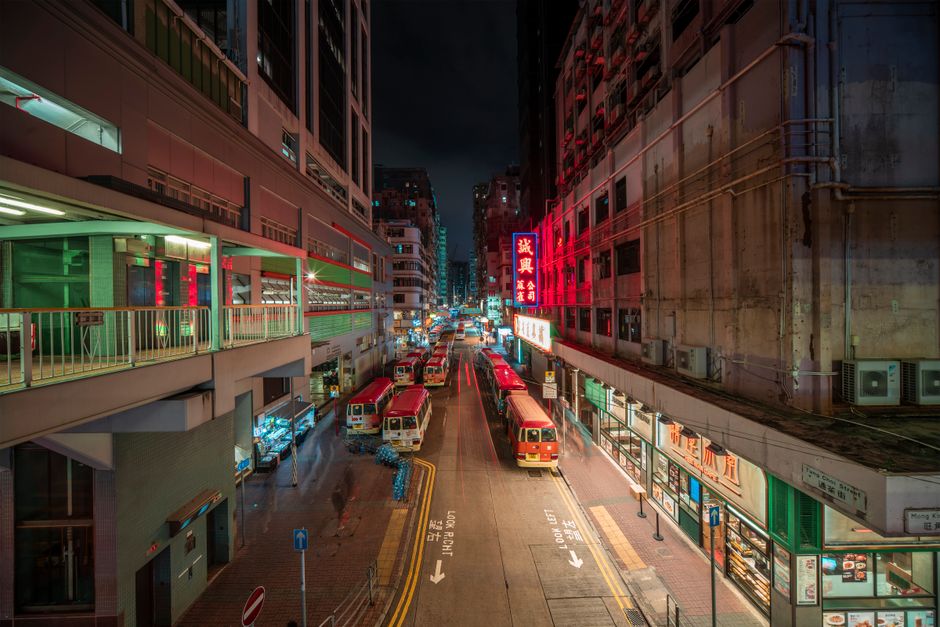
Hong Kong's transport infrastructure is at a critical juncture. With the MTR network stretched to capacity during peak hours and aging roads across the New Territories requiring urgent rehabilitation, city planners are publicly mapping out a transformation that could reshape commuting patterns for millions.
The Transport and Logistics Bureau has signalled significant investment in cross-harbour connectivity beyond the existing three main tunnels. Officials have indicated that preliminary studies for additional links between Hong Kong Island and Kowloon—potentially serving areas like Causeway Bay and East Kowloon—are now in advanced stages. A senior government spokesman told local media last month that any new corridor would prioritise reducing congestion on the Central-Wan Chai Bypass, which already handles over 90,000 vehicles daily.
Meanwhile, the MTR Corporation has briefed lawmakers on its ten-year strategic review, acknowledging that extensions to the West Island Line and potential new branches serving the northwestern New Territories remain under consideration. While no firm timelines have been announced, transport academics from the University of Hong Kong and Chinese University have publicly noted that the city's population density demands either radical increases in rail capacity or acceptance of longer commute times.
Professor Christine Wong, a transport economist at HKU, stated in recent media appearances that the real bottleneck isn't funding—estimated at HK$200 billion for major projects through 2036—but land acquisition and community consultation. "Hong Kong residents have legitimate concerns about disruption," she noted, pointing to debates surrounding the proposed Central-Mid-Levels connection and its impact on heritage areas.
The government's Road Safety and Traffic Management division has also warned that without intervention, congestion on key arteries like the Lion Rock Tunnel and Tuen Mun Road could worsen by 15-20 percent within five years. Officials have suggested that intelligent traffic systems and expanded bus rapid transit corridors in Tseung Kwan O and Yuen Long could offer cheaper, faster alternatives to new road construction.
Industry groups representing logistics and taxi operators have publicly called for clearer priorities. The Hong Kong Logistics Association has urged the government to tackle freight-handling bottlenecks at the Port of Hong Kong simultaneously, warning that transport improvements on land mean little if cargo movement remains constrained.
As discussions continue, one certainty emerges: Hong Kong's transport future will require difficult trade-offs between speed, cost, and community impact. Officials and experts alike acknowledge the next two years will be decisive in determining which projects proceed and which must wait.
This article was compiled by AI from the sources linked above and screened before publishing. See our editorial standards.
About this article
Published by The Daily Hong Kong
Spread the word
Daily brief
Free, in your inbox before 7am. Weekdays.
Before you go
The day's Hong Kong news in a 2-minute read. Free, weekday mornings.