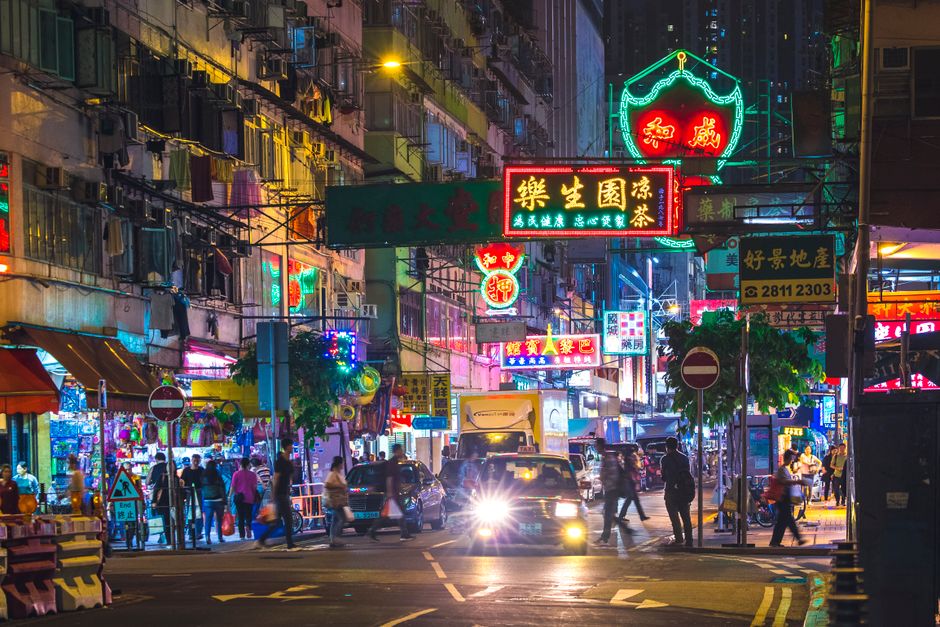
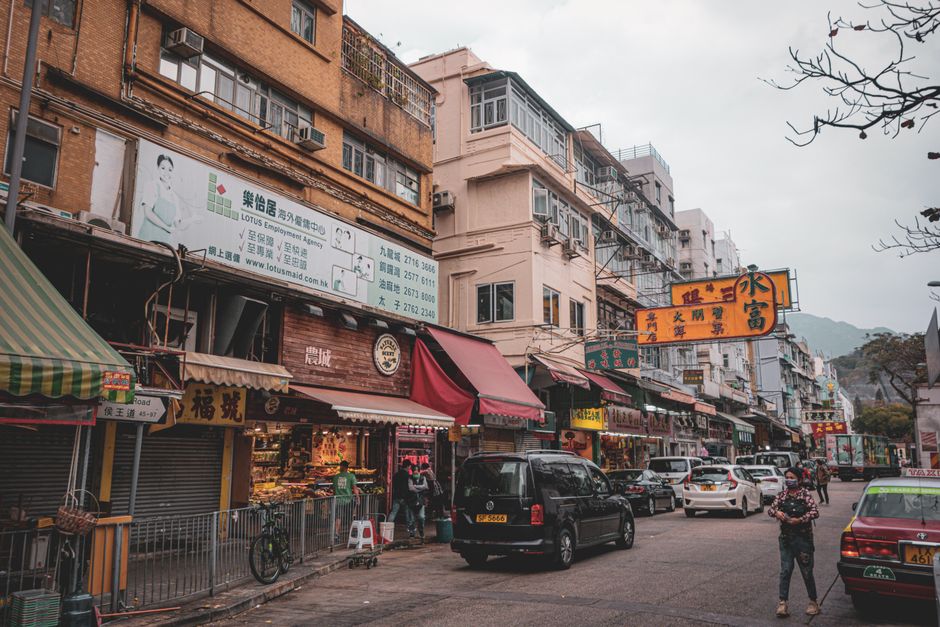
For decades, Sham Shui Po has remained a beating heart of working-class Hong Kong, its narrow lanes packed with dim sum restaurants, fabric wholesalers, and second-hand bookshops that have served generations. But residents and business owners say that character is rapidly eroding as developers eye the neighbourhood's prime location and ageing buildings attract investment.
The tension came to a head this month when the Urban Renewal Authority announced plans for a major redevelopment project affecting Ki Lung Street and the surrounding area—a move that has galvanised community voices across the district. Property prices in Sham Shui Po have surged nearly 40% in the past three years, according to government data, pricing out many long-time residents whose monthly rents have climbed from HK$4,000 to HK$7,000 or more for modest flats.
"This is not just about real estate," said one community worker at the Sham Shui Po Community Centre on Nam Cheong Street, who has organised several town halls with residents. "People are worried about losing their homes, their livelihoods, the neighbourhood's soul."
The concern reflects broader anxieties gripping the district. Traditional trades that once defined Sham Shui Po—button factories, textile workshops, electronics repair shops—have steadily disappeared. Meanwhile, younger professionals, drawn by lower rents relative to Central or Causeway Bay, are moving in, creating a demographic shift that worries long-time residents.
Local businesses have been particularly vocal. Owners of family-run restaurants and wholesalers along Apliu Street report landlords serving notice, with some commercial rents nearly doubling in recent lease renewals. Several shops have already closed, their shutters painted with fading signs advertising decades-old trades.
"We understand progress is necessary," explained a spokesperson from the Sham Shui Po Residents Association, which has submitted detailed feedback to the URA. "But we're asking: can development happen without erasing what makes this place home to so many people?"
The debate reflects Hong Kong's perpetual tension between modernisation and preservation. While officials argue redevelopment will improve housing supply and infrastructure, residents stress the human cost of rapid change. They're calling for stronger protections for renters, more affordable housing units in future developments, and meaningful consultation with communities before major changes take root.
As gentrification reshapes Sham Shui Po, these voices underscore a critical question for Hong Kong's future: how can the city evolve while protecting the communities that have sustained it?
This article was compiled by AI from the sources linked above and screened before publishing. See our editorial standards.