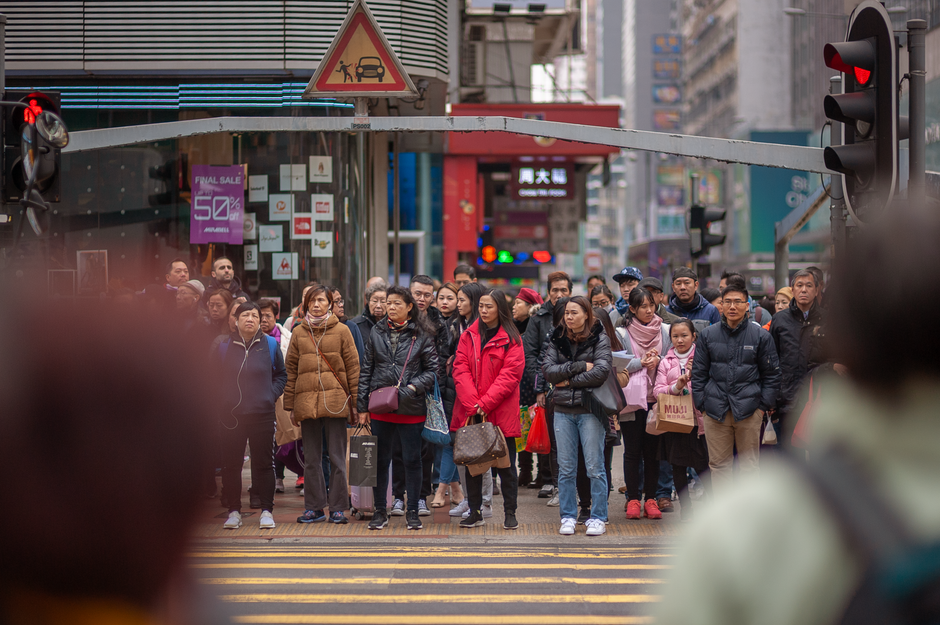
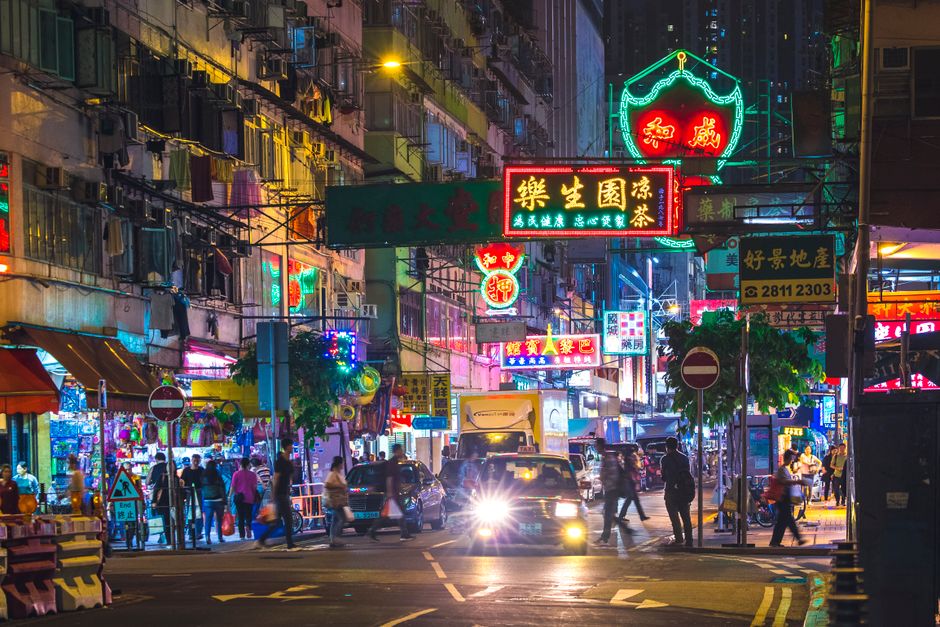
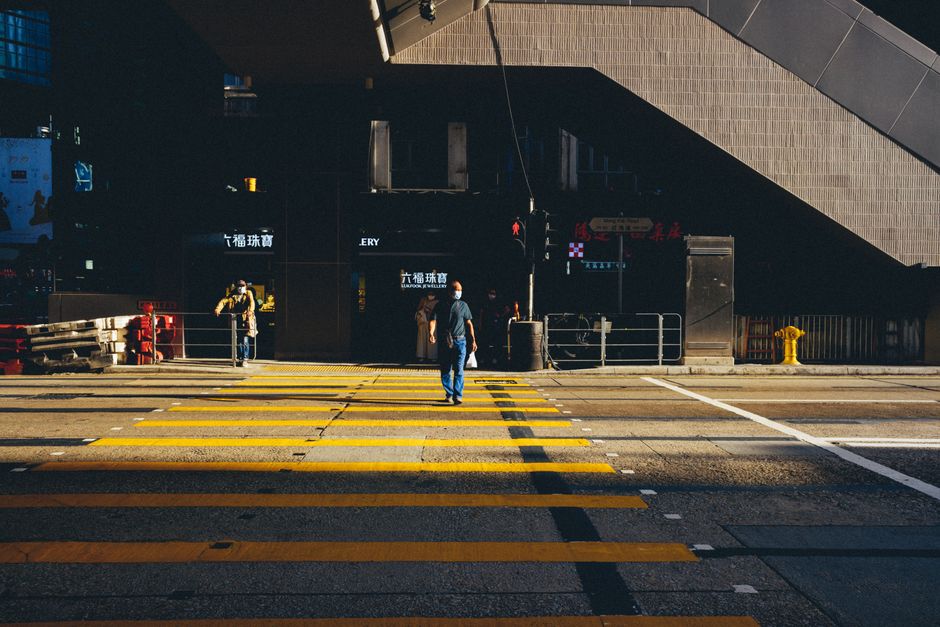
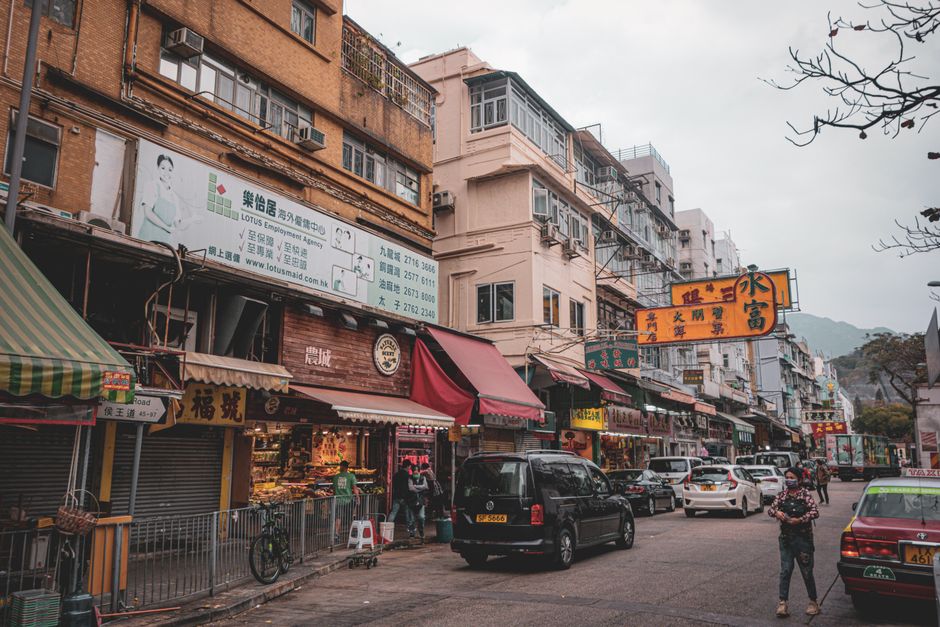
Walk through Chungking Mansions in Tsim Sha Tsui on any given afternoon and you'll encounter a microcosm of contemporary Hong Kong—South Asian traders, Southeast Asian domestic workers, African entrepreneurs, and expat professionals navigating corridors that have hosted transient populations for decades. But how did a city once defined by its Cantonese-speaking majority become home to approximately 625,000 non-Chinese residents, according to 2025 government data?
The answer lies in three distinct waves of migration, each driven by different economic and political circumstances. The first wave began during British colonial rule, when Hong Kong's position as a free port and entrepôt attracted Chinese merchants fleeing mainland upheaval. By the 1950s, post-war economic reconstruction drew skilled workers from Europe and America to manage the burgeoning financial sector. But it was the post-1978 economic liberalisation of mainland China that fundamentally reshaped Hong Kong's demographics.
As Hong Kong transitioned to a services-based economy, demand for domestic workers exploded. Filipino and Indonesian workers began arriving in large numbers during the 1980s, initially filling gaps in childcare and eldercare. Today, approximately 370,000 domestic workers—predominantly women from the Philippines, Indonesia, and Thailand—remit billions of dollars annually to their home countries while underpinning Hong Kong families' dual-income lifestyles. Every Sunday, they gather in Victoria Park and around the MTR stations near Central, creating spontaneous communities that have become fixtures of Hong Kong's cultural landscape.
The third wave accelerated after 1997, when Hong Kong's status as a Special Administrative Region paradoxically increased its appeal to international talent. Tech companies, international banks, and consulting firms competed aggressively for global expertise. Between 2015 and 2025, applications for employment visas jumped 340 percent, according to the Immigration Department. South Asian communities—particularly Pakistani and Indian professionals in sectors like finance and technology—expanded significantly, transforming neighbourhoods like Mong Kok and Causeway Bay.
Yet this multicultural emergence hasn't been seamless. Housing remains prohibitively expensive, forcing migrant communities into subdivided flats in older districts like Sham Shui Po, where a 100-square-foot room rents for HK$4,500 monthly. Language barriers, limited access to social services, and occasional discrimination persist despite Hong Kong's reputation as an international city.
Today's Hong Kong represents not a planned multicultural vision, but rather the accumulated consequence of market forces, geopolitical shifts, and economic necessity. Understanding this backstory—how colonial trade patterns, mainland economic opening, and regional labour dynamics converged—proves essential for policymakers navigating integration challenges and community cohesion in 2026.
This article was compiled by AI and screened before publishing. See our editorial standards.